5 Inspiring Ideas for Incorporating Biophilic Design at Home
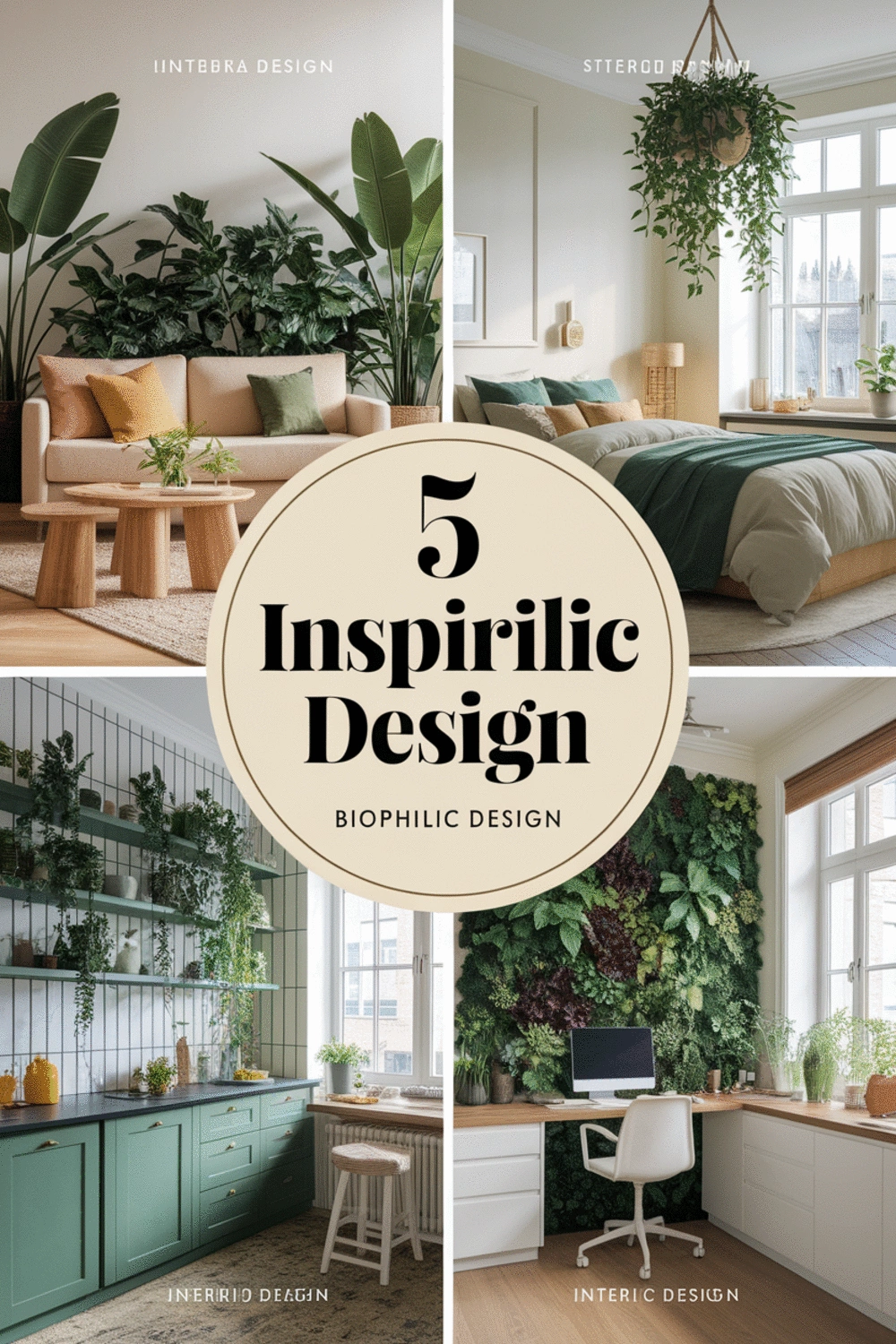
What if your home could become a sanctuary filled with the tranquility of nature? Biophilic design allows you to connect with the outdoors, enhancing both your living space and well-being. Dive into the essential insights on how to transform your home into a lush oasis!
As an Amazon Associate I earn from qualifying purchases. Affiliate links may earn me a commission at no extra cost to you.
What You Will Learn
- Biophilic design connects indoor environments with nature, fostering peace and well-being.
- Incorporating natural elements such as light, greenery, and organic materials can improve air quality and enhance mood.
- Research indicates that exposure to nature reduces anxiety and promotes mental clarity.
- Choosing the right plants tailored to your lifestyle can create a harmonious indoor garden.
- Low-maintenance plants are ideal for busy individuals who want to enjoy greenery without extensive care.
Understanding Biophilic Design and Its Relevance at Home
Have you ever felt a sense of calm wash over you when you step into a space filled with greenery? That’s the magic of biophilic design—a concept that encourages us to connect with nature indoors. It’s about more than just having plants around; it’s about creating an environment that mirrors the beauty of the natural world, fostering a sense of peace and well-being right in our own homes.
Biophilic design integrates natural elements into our living spaces, enhancing not just aesthetics but also our overall health. Imagine coming home to a cozy sanctuary filled with vibrant foliage and natural light! This approach can transform your home into a lush refuge, making it a perfect fit for our mission at Plants Cozy Space Vibes.
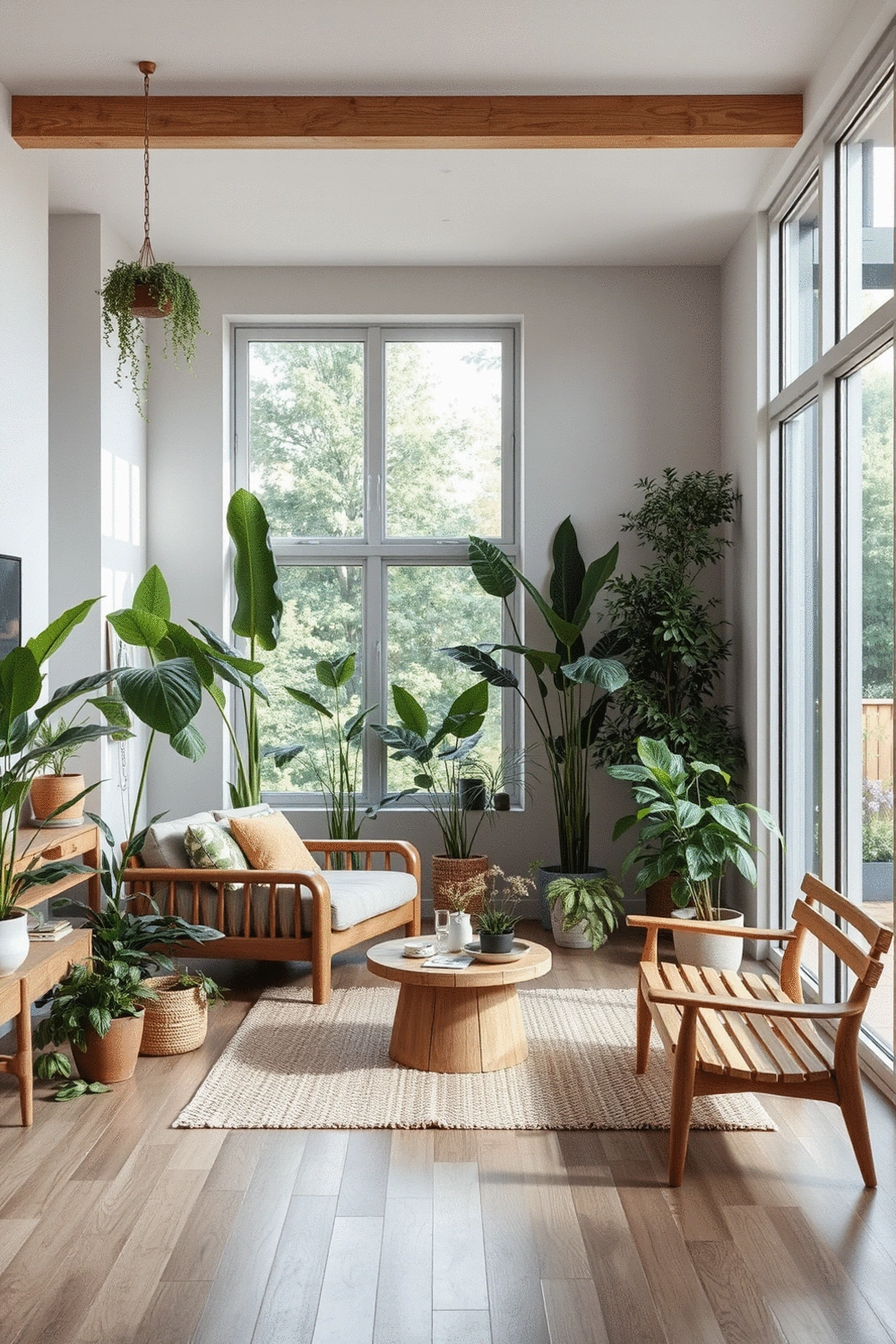
Defining Biophilic Design: Connecting with Nature Indoors
Biophilic design emphasizes our intrinsic connection to nature. It’s about bringing the outdoors in, allowing us to thrive in our indoor environments. This integration can be achieved through various elements, including:
- Natural light
- Indoor plants
- Natural materials like wood and stone
- Views of nature from windows
As an avid plant enthusiast, I’ve seen firsthand how these elements can uplift a space. Each plant you choose can contribute to an overall feeling of tranquility, whether it's a leafy monstera or a delicate fern.
Core Benefits of Biophilic Design: Enhancing Well-being and Environment
Integrating biophilic design into your home offers a myriad of benefits, including:
- Improved air quality: Plants naturally filter toxins from the air, making your home healthier.
- Enhanced mood: Surrounding yourself with greenery can combat stress and boost happiness.
- Increased creativity: A nature-inspired space can spark new ideas and foster productivity.
These benefits resonate deeply with my passion for indoor gardening. When we embrace biophilic design, we not only beautify our spaces but also invest in our well-being.
Exploring the Psychological Benefits of Nature Integration in Home Spaces
Research shows that exposure to nature can reduce feelings of anxiety and depression. Imagine sitting in a sun-drenched room surrounded by your favorite plants—how does that make you feel? Integrating greenery into your home environment can create a soothing atmosphere that promotes mental clarity and relaxation.
Additionally, the act of caring for plants can be therapeutic, giving you a sense of purpose and connection to the natural world. If you’re curious about which specific plants can elevate your home decor and mood, be sure to check out our post on top indoor plants that elevate home decor!
At Plants Cozy Space Vibes, we believe that every home should reflect the beauty of nature. So, let’s dive into how we can bring that biophilic aesthetic to life in your space!
Choosing the Right Indoor Plants for Biophilic Aesthetics
When it comes to embracing biophilic design, selecting the right indoor plants is essential for crafting that serene, nature-infused atmosphere we all crave. At Plants Cozy Space Vibes, I've discovered that certain plants not only enhance the overall aesthetics of a space but also contribute significantly to the well-being of those who inhabit it. Let’s dive into some popular options that can elevate your indoor settings while nurturing your spirit!
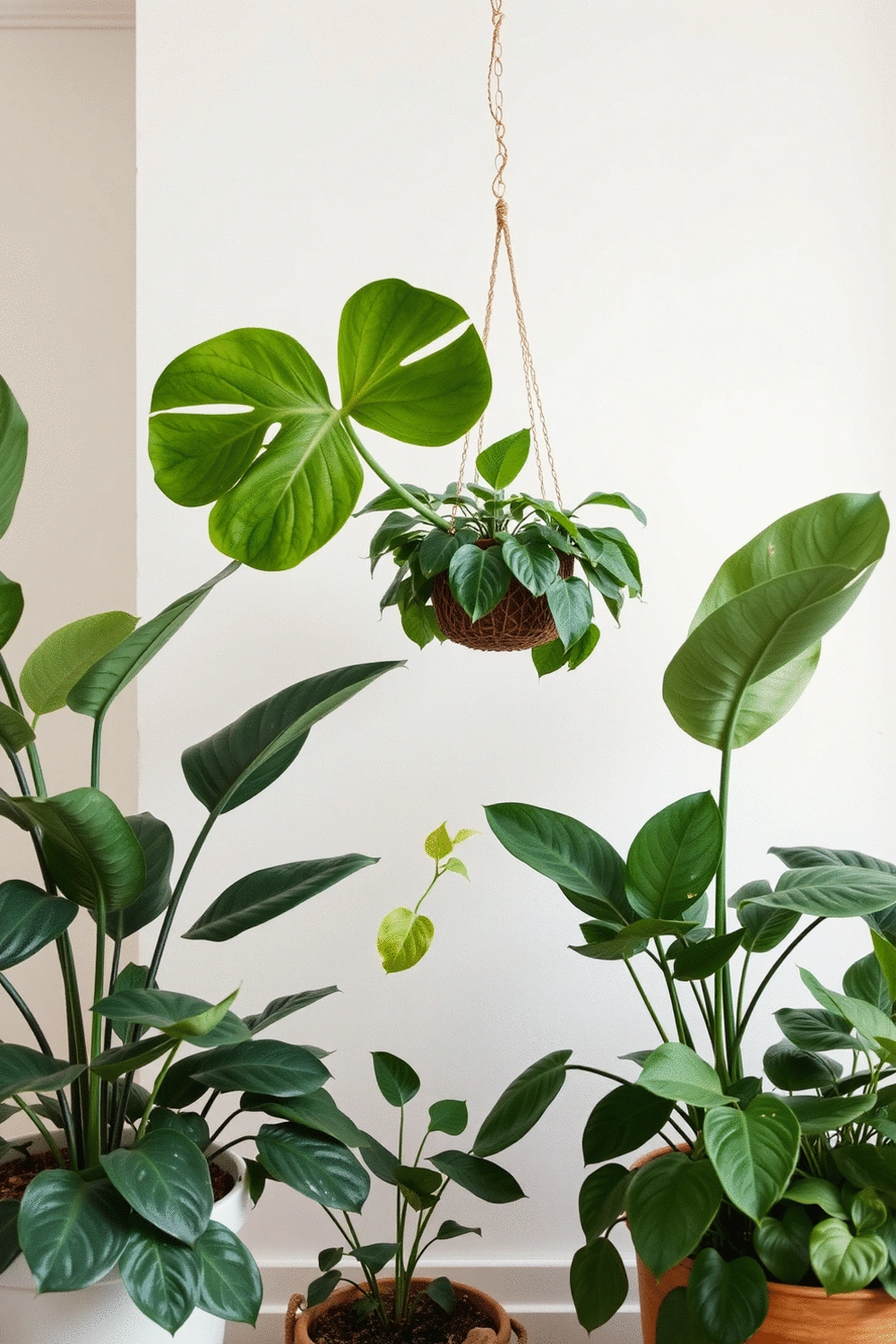
Popular Indoor Plants that Promote Biophilic Design
Integrating indoor plants into your decor can transform any space into a calming oasis. Here are some popular indoor plants that align perfectly with the principles of biophilic design:
- Fiddle Leaf Fig: A striking statement piece that adds height and character to any room.
- Pothos: Known for its trailing vines, it’s perfect for shelves or hanging baskets!
- Peace Lily: Not only beautiful, but it also purifies the air.
- Snake Plant: An easy-going plant that thrives in low light and requires minimal care!
These plants can be easily incorporated into various design schemes, reflecting your unique style while boosting your mood. Plus, they play a vital role in making your living space feel more inviting, as discussed in our post about the top indoor plants that elevate home decor.
Low-Maintenance Plants for Busy Lifestyles
If you’re like me and juggling a busy lifestyle, you might prefer low-maintenance options that don’t compromise on style. Here are some low-maintenance plants that are perfect for the modern plant lover:
- ZZ Plant: Thrives in low light and needs very little water.
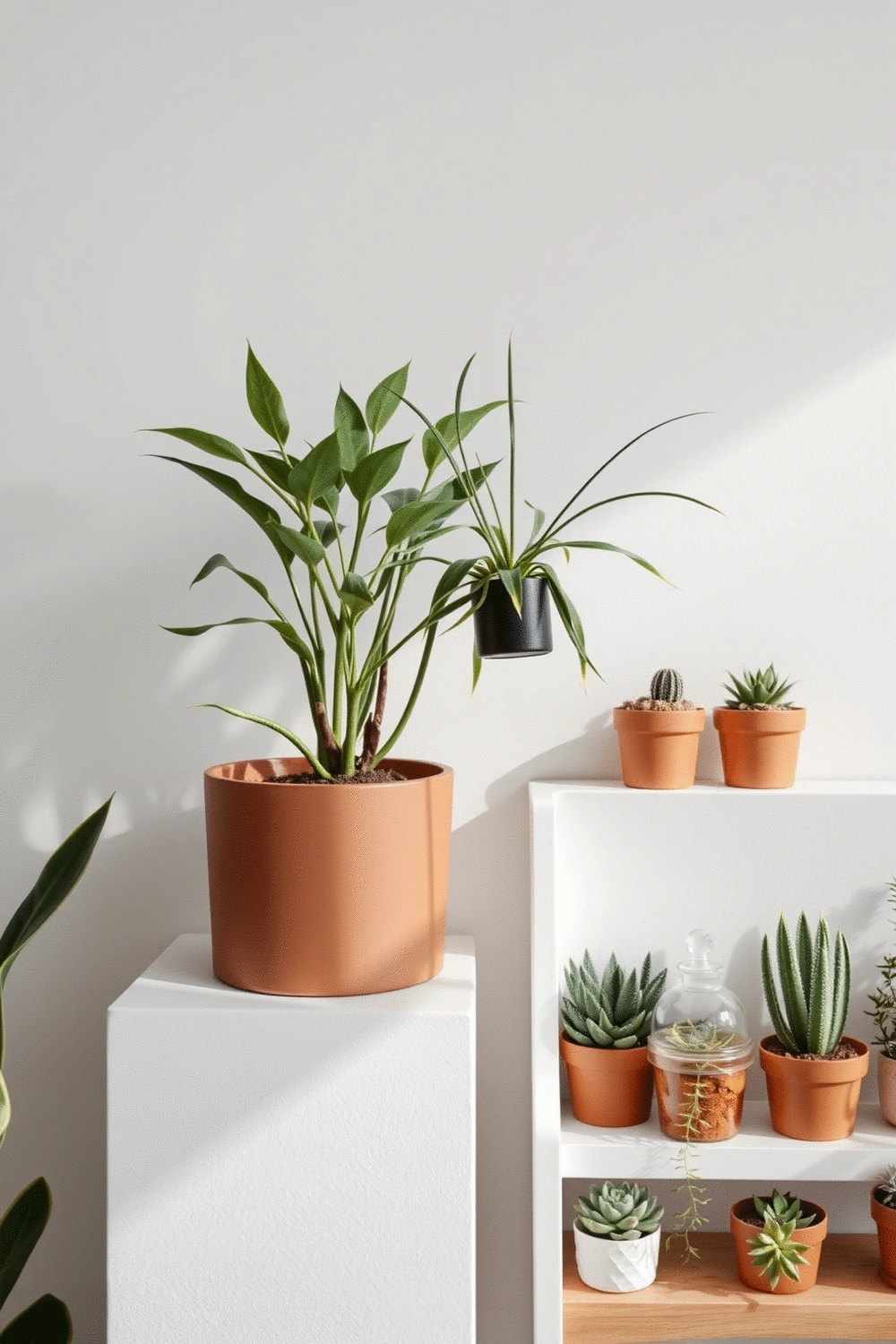
- Spider Plant: Hardy and adaptable, it's also safe for pets!
- Succulents: Available in various shapes and sizes, they require minimal watering.
- Cast Iron Plant: True to its name, it can withstand neglect and thrive!
These plants not only fit seamlessly into busy environments but also help cultivate a cozy atmosphere that makes you feel right at home. For more tips on creating inviting spaces, check out 7 Essential Tips for an Inviting Living Room.
Understanding Plant Types: Selecting the Right Greenery for Your Home
Choosing the right greenery goes beyond aesthetics—it’s about finding plants that suit your lifestyle and the unique conditions of your home. Here are some considerations to keep in mind:
- Light Requirements: Assess the natural light in your space. Some plants thrive in bright, indirect light, while others prefer low-light conditions.
- Humidity Levels: Tropical plants may thrive in more humid areas, such as kitchens or bathrooms.
- Size and Growth Habit: Think about how large your plants will grow and whether you want them to trail, stand tall, or fit snugly on a shelf.
By understanding these factors, you can create a harmonious indoor garden that complements your home’s design and your personal style. So, as you plan your green oasis, make sure to choose plants that resonate with you and your living environment! You might also find inspiration in 10 Essential Tips to Create a Peaceful Sleep Space, as the principles of tranquility apply across all rooms.
Frequently Asked Questions About Biophilic Design
- What is biophilic design?
- Biophilic design is a concept that integrates natural elements into indoor environments to enhance human well-being and connection to nature.
- What are the main benefits of biophilic design in a home?
- Key benefits include improved air quality, enhanced mood, reduced stress, increased creativity, and a general sense of peace and relaxation.
- What elements are typically included in biophilic design?
- Common elements are natural light, indoor plants, natural materials (like wood and stone), views of nature, and water features.
- Which indoor plants are best for promoting biophilic design?
- Popular choices include Fiddle Leaf Fig, Pothos, Peace Lily, and Snake Plant, which offer both aesthetic appeal and air-purifying qualities.
- Are there low-maintenance biophilic plant options for busy individuals?
- Yes, plants like ZZ Plant, Spider Plant, succulents, and Cast Iron Plant are excellent low-maintenance options that still contribute to a natural, calming environment.
Recap of Key Points
Here is a quick recap of the important points discussed in the article:
- Biophilic design enhances indoor environments by integrating natural elements, promoting well-being and tranquility.
- Key elements of biophilic design include natural light, indoor plants, and natural materials like wood and stone.
- Benefits of biophilic design range from improved air quality and mood enhancement to increased creativity and productivity.
- Choosing the right indoor plants involves considering light requirements, humidity levels, and plant growth habits.
- Low-maintenance plants like ZZ plants and succulents are ideal for busy lifestyles while still providing a cozy atmosphere.

Lila Greenfield
As a passionate plant enthusiast and interior design advocate, I founded Plants Cozy Space Vibes to share my deep love for greenery and an eye for aesthetics. My journey began by transforming my own home with plants, discovering their power to create inviting spaces. Now, I'm dedicated to helping you discover the joy of indoor gardening, providing expert insights on plant care, styling, and creative displays that enhance well-being and tranquility. Let's cultivate a lush, inviting sanctuary together!
Popular Posts
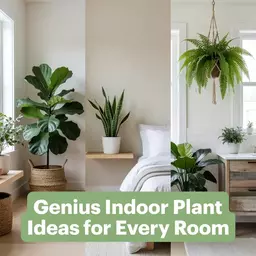
Genius Indoor Plant Ideas for Every Room
![Genius Indoor Plant Ideas for Every Room]() Bringing indoor plants into your home can elevate your space and improve air quality. With j
Bringing indoor plants into your home can elevate your space and improve air quality. With j
 Bringing indoor plants into your home can elevate your space and improve air quality. With j
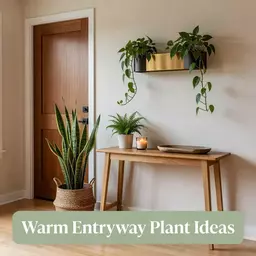
Warm Entryway Plant Ideas for a Cozy Home
![Warm Entryway Plant Ideas for a Cozy Home]() Your entryway is the first impression guests have of your home, and a bland space can feel u
Your entryway is the first impression guests have of your home, and a bland space can feel u
 Your entryway is the first impression guests have of your home, and a bland space can feel u
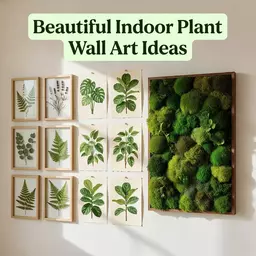
Beautiful Indoor Plant Wall Art for Home Decor
![Beautiful Indoor Plant Wall Art for Home Decor]() Infusing your home decor with greenery is a powerful way to create an inviting and calming a
Infusing your home decor with greenery is a powerful way to create an inviting and calming a
 Infusing your home decor with greenery is a powerful way to create an inviting and calming a
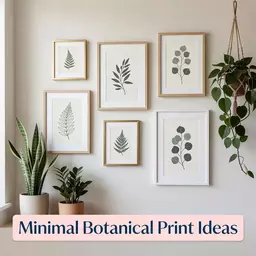
Minimal Botanical Print Ideas for Indoor Plants
![Minimal Botanical Print Ideas for Indoor Plants]() Finding the right decor to complement your indoor plants can be a challenge. Botanical art p
Finding the right decor to complement your indoor plants can be a challenge. Botanical art p
 Finding the right decor to complement your indoor plants can be a challenge. Botanical art p
