Plants Drawing for Enhanced Artistic Skills
Drawing plants can be a challenging yet rewarding endeavor, often leaving artists frustrated when techniques and supplies don't align. Embracing the art of botanical illustration can open up a world of creativity, and with the right guidance, you can truly enhance your skills. Here are 7 essential solutions to help you get started on your plant drawing journey.
MUST-HAVE SUPPLIES FOR PLANT DRAWING
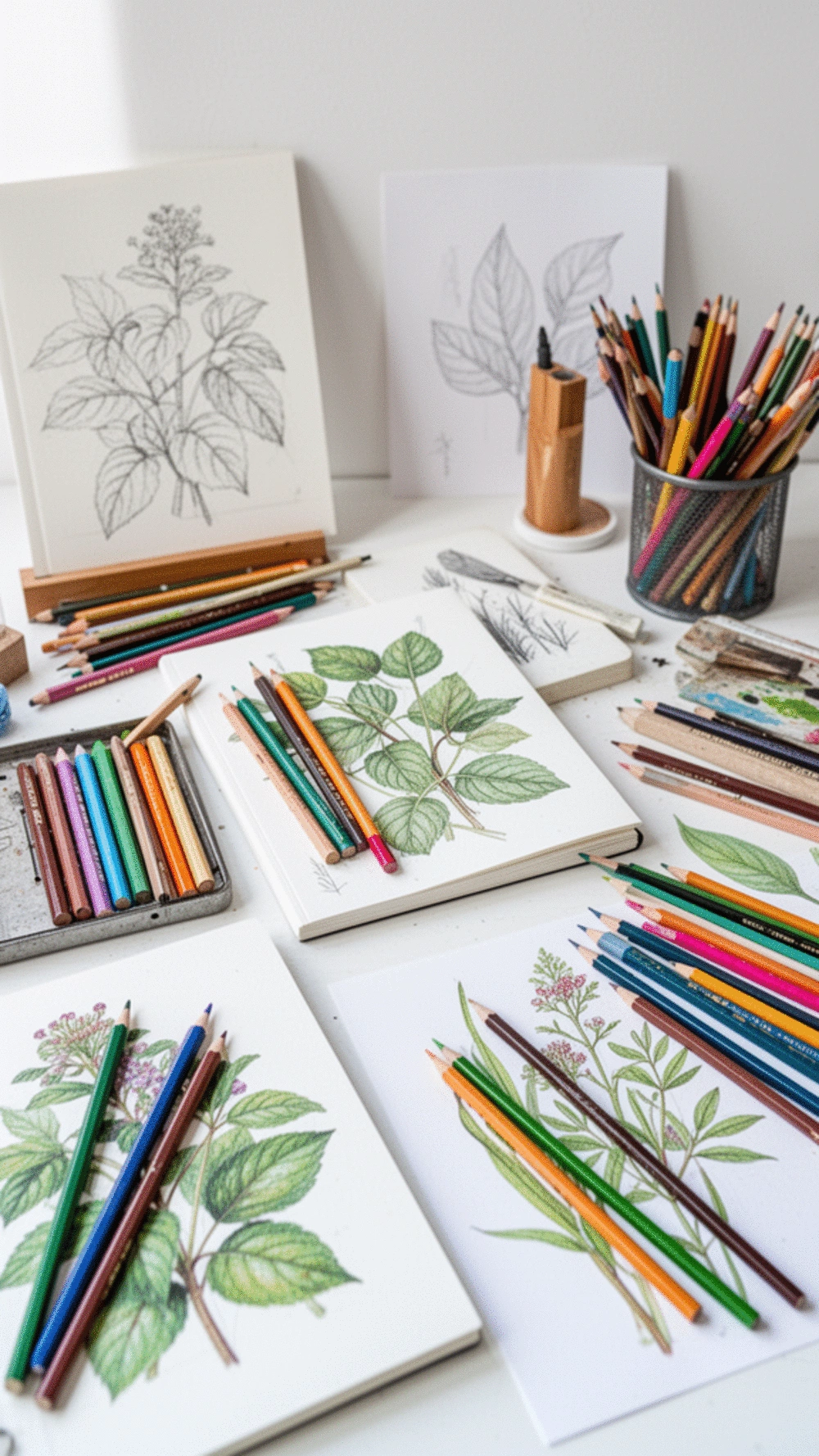
Unlock your creativity with the right supplies for drawing plants.
As an Amazon Associate I earn from qualifying purchases. Affiliate links may earn me a commission at no extra cost to you.
Why Having Quality Supplies Matters: To effectively capture the beauty of plants in your drawings, you'll need a combination of essential tools like pencils, sketchbooks, and inks. Using high-quality materials helps you achieve detailed and lifelike representations, alleviating frustration and boosting your motivation.
What People Rarely Consider: Many artists underestimate the impact of a good sketchbook. A sturdy, acid-free sketchbook, like the Cute Sketchbook for Drawing, is perfect for both practice and finished works. Investing in quality supplies can elevate your artwork significantly, yet many stick with what's cheap and easily accessible.
- Choose pencils that offer a range of hardness for versatility in shading.
- Look for paper with a suitable weight for your preferred medium.
- Invest in a quality sketchbook like the Cute Sketchbook for Drawing to keep your work organized.
⭐ Top Products for Essential Drawing Supplies
✨ Editor's Pick
Cute Sketchbook for Drawing
★★★★½
Our Score: 4.5/5
This sketchbook features quality paper that’s perfect for artists to hone their skills.
View on Amazon →💡 Quick Tips:
- Experiment with Pencils: Try different hardness levels to see what suits your shading needs.
- Choose Quality Paper: Select paper that complements your preferred medium for best results.
- Invest in a Sketchbook: A good sketchbook keeps your work organized and inspires creativity.
STEP-BY-STEP TUTORIALS FOR BEGINNERS
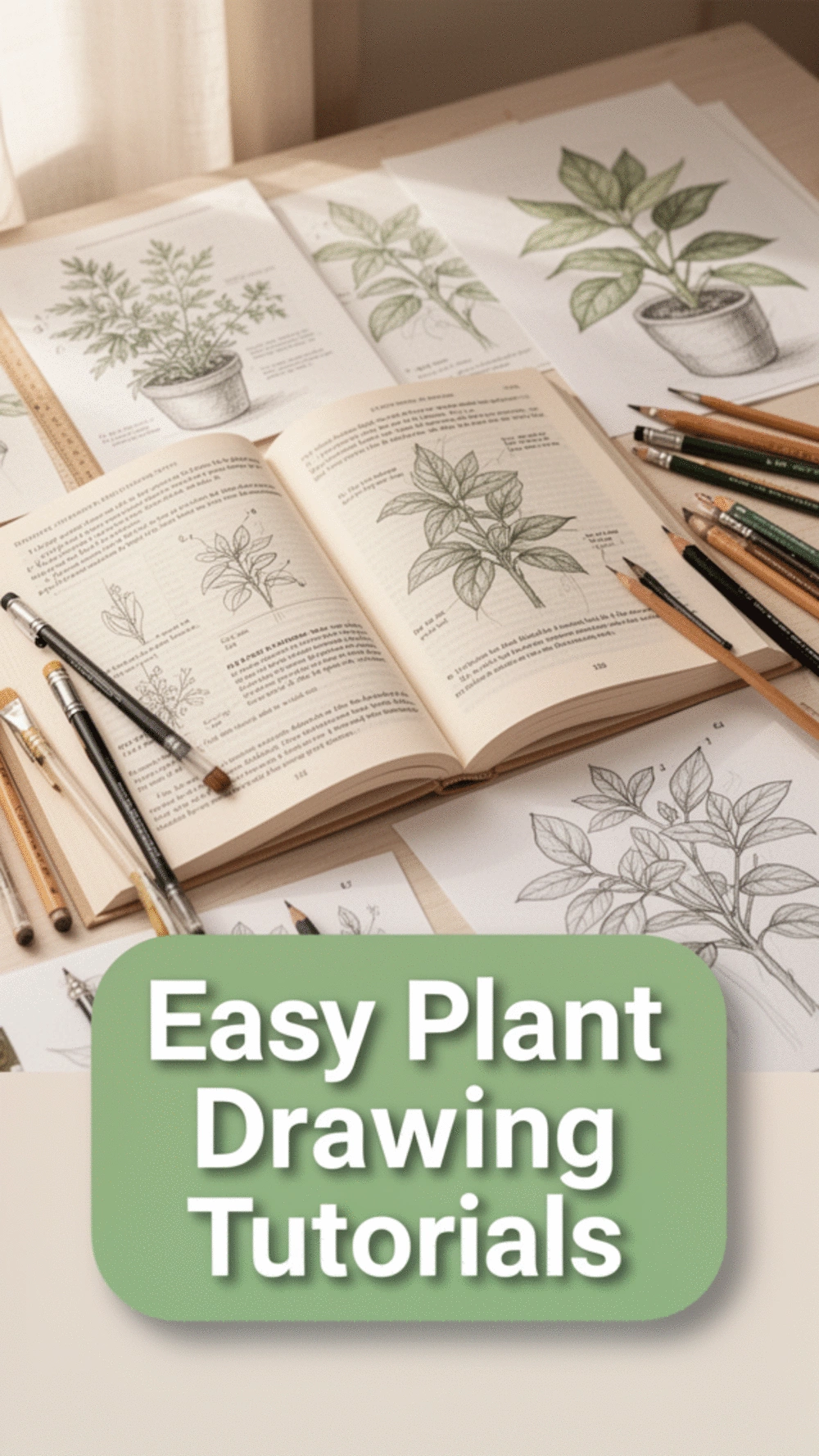
Discover your favorite plant drawing techniques with easy-to-follow tutorials.
Why Step-by-Step Tutorials Matter: Learning how to draw plants can be daunting without proper guidance. Structured tutorials break down complex techniques into manageable parts, allowing you to build skills progressively. From basic shapes to intricate shading, these resources help you gain confidence while capturing the beauty of nature.
Where Most People Get Stuck: Many beginners overlook the importance of focusing on specific plants first. For instance, starting with simple succulents can ease the learning curve, but artists often jump into more complex flowers, feeling overwhelmed. Taking the time to master one type of plant provides a solid foundation for later projects.
.Expert Tips for Beginners: To truly flourish in your plant drawing journey, consider diving into structured tutorials. They break the process into bite-sized pieces, making it less intimidating and more enjoyable! Look for resources that focus on specific plants, like succulents or ferns, as they help you gain confidence while mastering different forms. Remember, practice is your best friend—experiment with styles and techniques to discover what resonates with you.
🚀 Your Quick Start Guide:
- Start Simple: Choose easy-to-draw plants like succulents to build confidence.
- Follow Along: Use visual tutorials to mimic techniques step by step.
- Practice Regularly: Set aside time each week to draw different plant species and styles.
ADVANCED TECHNIQUES FOR BOTANICAL ILLUSTRATION
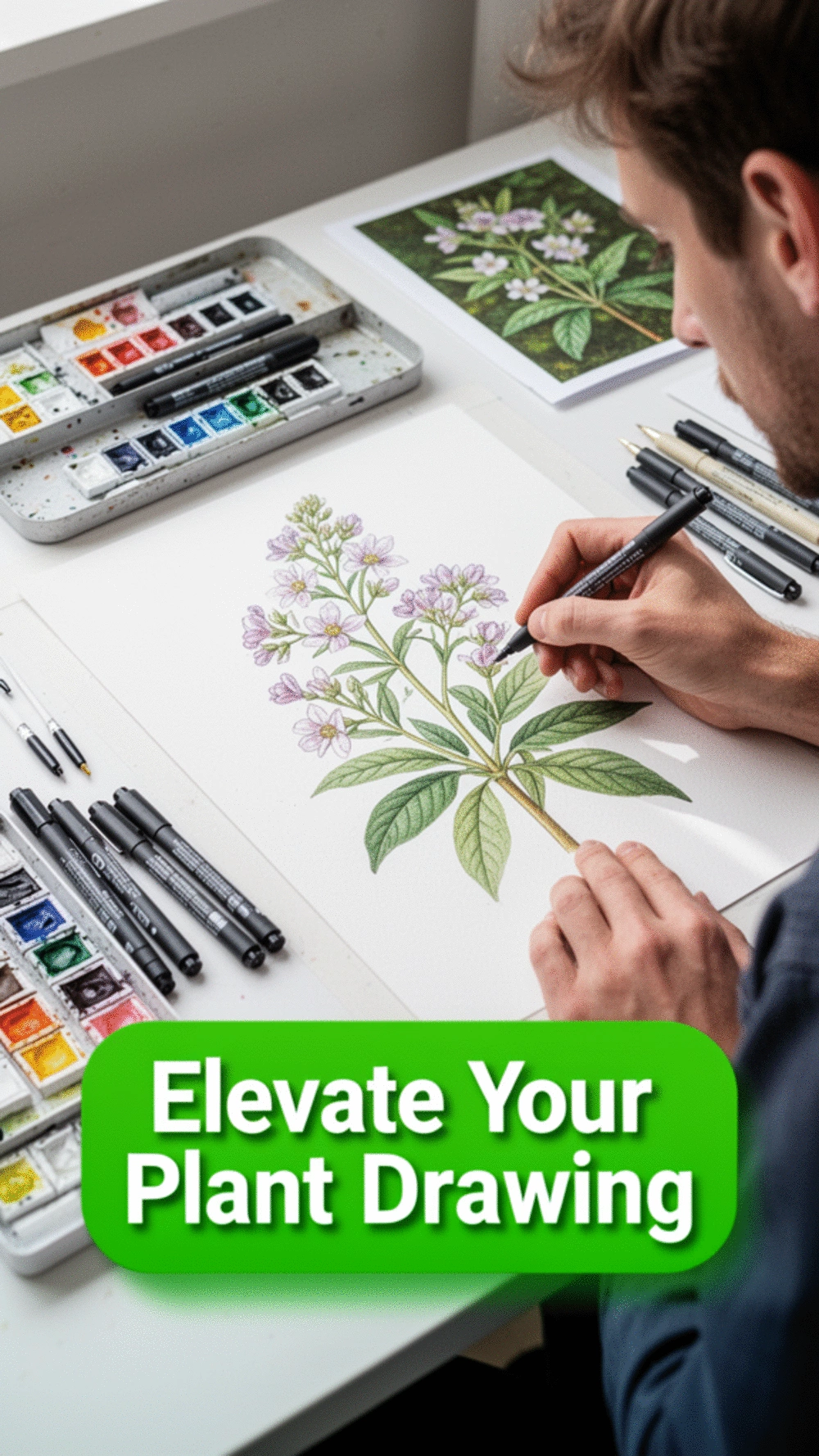
Mastering advanced techniques will transform your botanical art into stunning creations.
Understanding Advanced Techniques for Botanical Illustration: Once you’ve mastered the basics, it’s time to elevate your plant drawings with advanced techniques like layering and blending. These methods add depth and realism to your illustrations, allowing for intricate details that truly capture the essence of the plant. Familiarizing yourself with plant anatomy can further improve your representation.
What People Rarely Consider: Many artists overlook the impact of selecting the right tools for specific techniques. For example, using a soft brush for blending watercolors can create smoother transitions, while fine liners are ideal for adding intricate details on top. This understanding often gets lost in the excitement of creating, which can lead to less effective results.
- Experiment with layering techniques using different mediums to see what combinations work best.
- Try blending with both colored pencils and watercolors for varied textures.
- Consider using the Cute Sketchbook for Drawing to practice your advanced skills with quality paper.
Advanced Techniques for Botanical Illustration: To truly elevate your plant drawings, delve into advanced techniques like layering and blending. These methods add incredible depth and realism to your illustrations, allowing you to capture the intricate details that make each plant unique. Understanding plant anatomy plays a vital role in enhancing your representation, ensuring that your art remains both beautiful and accurate.
What to Keep in Mind: Choosing the right tools for each technique is essential. For instance, a soft brush can help create seamless blends in your watercolors, while fine liners are perfect for adding those delicate finishing touches. Don’t shy away from experimenting; the more you try, the more you’ll discover what works best for your personal style!
- Practice layering techniques with different mediums to find the most appealing combinations.
- Blend colored pencils and watercolors to create diverse textures in your work.
- Consider using the Cute Sketchbook for Drawing to refine your advanced skills on quality paper.
💡 Quick Tips:
- Experiment with blending: Mix colored pencils with watercolors for unique textures.
- Layer your mediums: Build depth in your illustrations through thoughtful layering techniques.
- Study plant anatomy: Understanding structure will enhance your detailed representation significantly.
THE BEST PAPER FOR DRAWING PLANTS
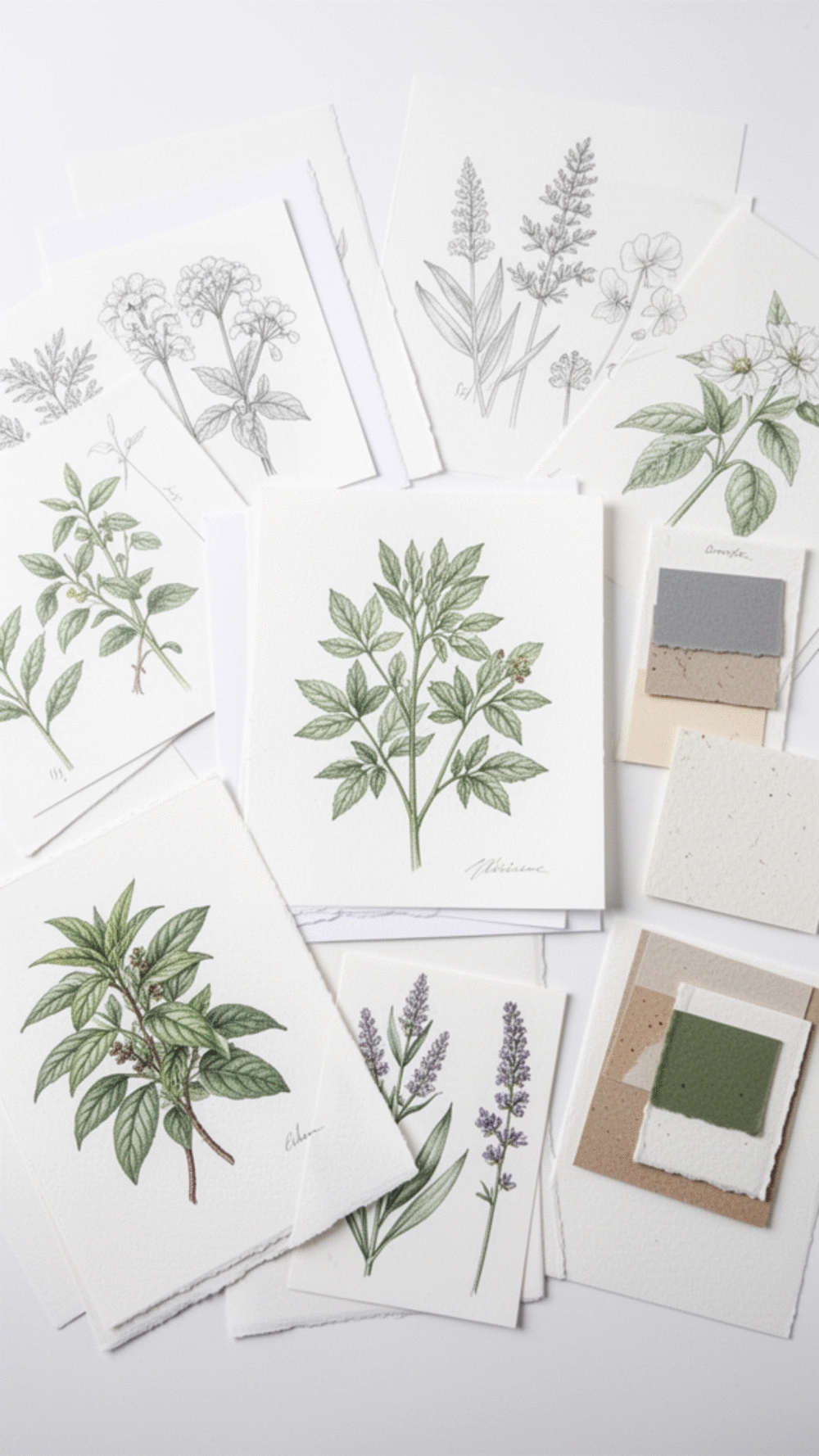
Discover the perfect paper to elevate your plant drawing skills.
Understanding the Best Paper for Plant Drawing: Did you know that the type of paper you use can significantly impact your plant drawings? Different papers, such as smooth, textured, or watercolor, affect detail capture and color blending. Choosing the right weight and texture ensures your artwork achieves the desired vibrancy and intricacy.
What People Rarely Consider: Many artists overlook the importance of paper texture. For instance, using a rough watercolor paper can enhance the depth of your botanical illustrations, but it might not be suitable for fine details. This choice often gets dismissed because artists assume any paper will do, leading to frustration when their artwork doesn’t turn out as expected.
- Experiment with different paper types to find what suits your style best.
- For beginners, consider starting with a sketchbook featuring acid-free paper like this Cute Sketchbook for Drawing.
- Advanced artists might prefer heavier watercolor paper for depth and texture.
💡 Quick Tips:
- Explore Paper Samples: Visit art supply stores to feel different paper textures.
- Test Your Mediums: Use swatches on various papers to see how they perform.
- Keep a Sketchbook: Document your findings and favorite papers for future reference.
You've covered some significant ground already, and it's clear your dedication to enhancing your plant drawing skills is growing. Cultivating a creative habit involves steady steps, and every technique you explore contributes to your unique artistic journey. Remember, this process is about discovery, not demanding instant mastery.
💡 Simple Reminders:
- Find inspiration by exploring new plant forms to sketch.
- Regular practice, even for short periods, builds confidence over time.
- Don't be afraid to make mistakes; they are valuable learning opportunities.
- Allow your personal style to emerge naturally through experimentation.
COLOR THEORY AND PLANT DRAWING
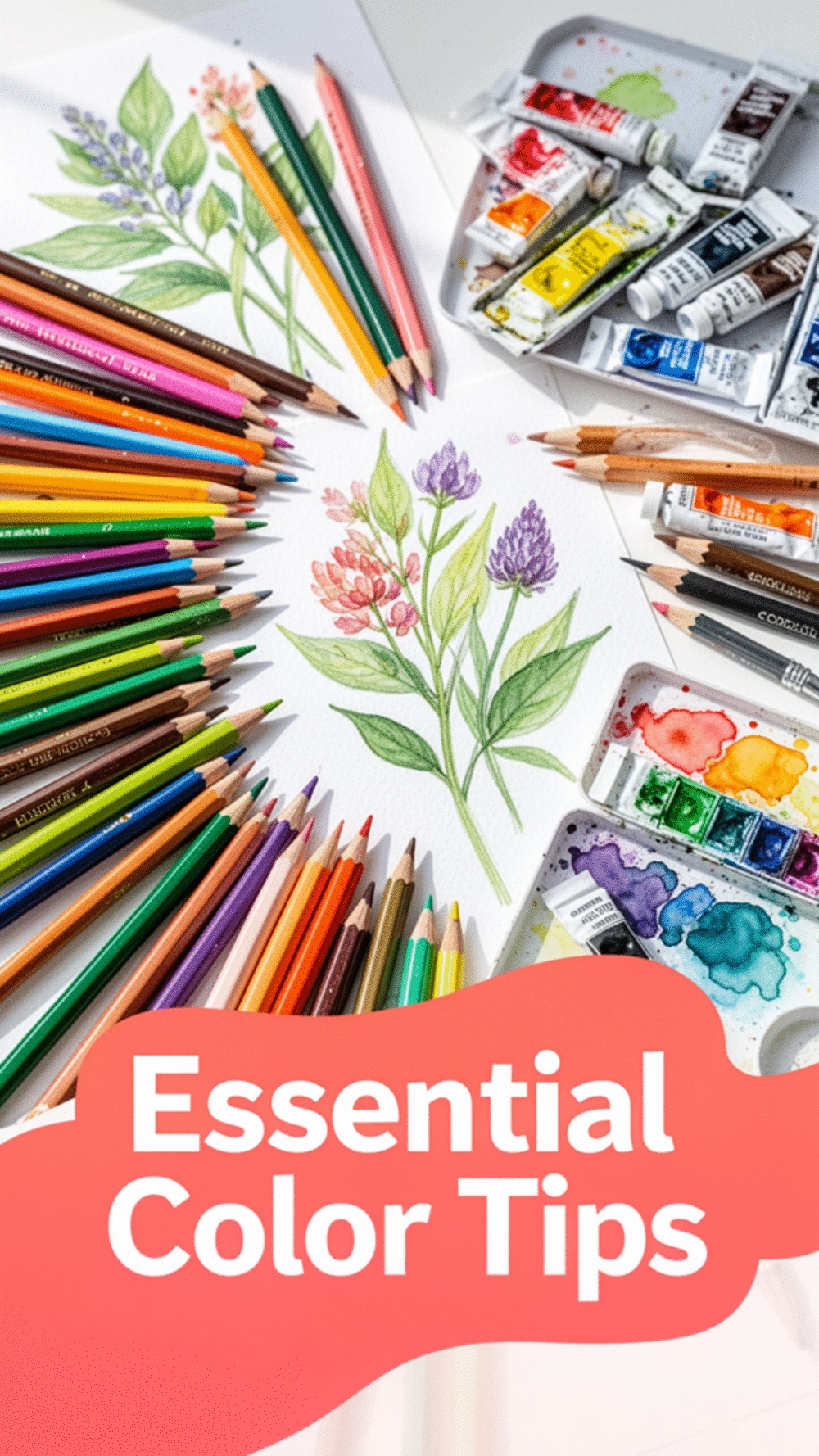
Unlock the secrets of color to bring your botanical art to life!
How Color Theory Enhances Plant Drawing: Color is one of the most powerful tools in botanical drawing. Understanding basic color theory, including how colors interact and complement each other, can vastly improve your representations of plants. By incorporating both realistic and imaginative palettes, your artwork will not only look more vibrant but also evoke the unique essence of each plant.
What People Rarely Consider: Many artists overlook the significance of color mixing and blending, which can create stunning effects. For example, mixing greens with yellows can yield a more lifelike representation of new leaves. This often gets missed because artists may default to using pre-mixed colors instead of experimenting with combinations to see what resonates best in their drawings.
- Practice blending colors on scrap paper before applying them to your artwork.
- Try the Skin Tone Watercolor Paint Set for rich color diversity.
- Explore color wheels to understand complementary colors that enhance your plant illustrations.
⭐ Top Products for Color Theory in Drawing
Clear Plastic Pencil Case Organizer
★★★★½
Our Score: 4.5/5
This sturdy organizer helps keep your colored pencils accessible, enhancing your color exploration process.
View on Amazon →✨ Editor's Pick
Skin Tone Watercolor Paint Set
★★★★½
Our Score: 4.5/5
This artist-grade watercolor set is perfect for blending skin tones, enriching your color theory practice.
View on Amazon →Cute Sketchbook for Drawing
★★★★½
Our Score: 4.5/5
This ideal sketchbook supports various drawing techniques, perfect for practicing color theory.
View on Amazon →💡 Quick Tips:
- Experiment with color mixing: Blend different hues to find unique shades for your plants.
- Use a color wheel: Identify complementary colors that make your drawings pop.
- Practice blending techniques: Try layering colors to create depth and dimension in your illustrations.
INSPIRATIONAL REFERENCE BOOKS AND RESOURCES
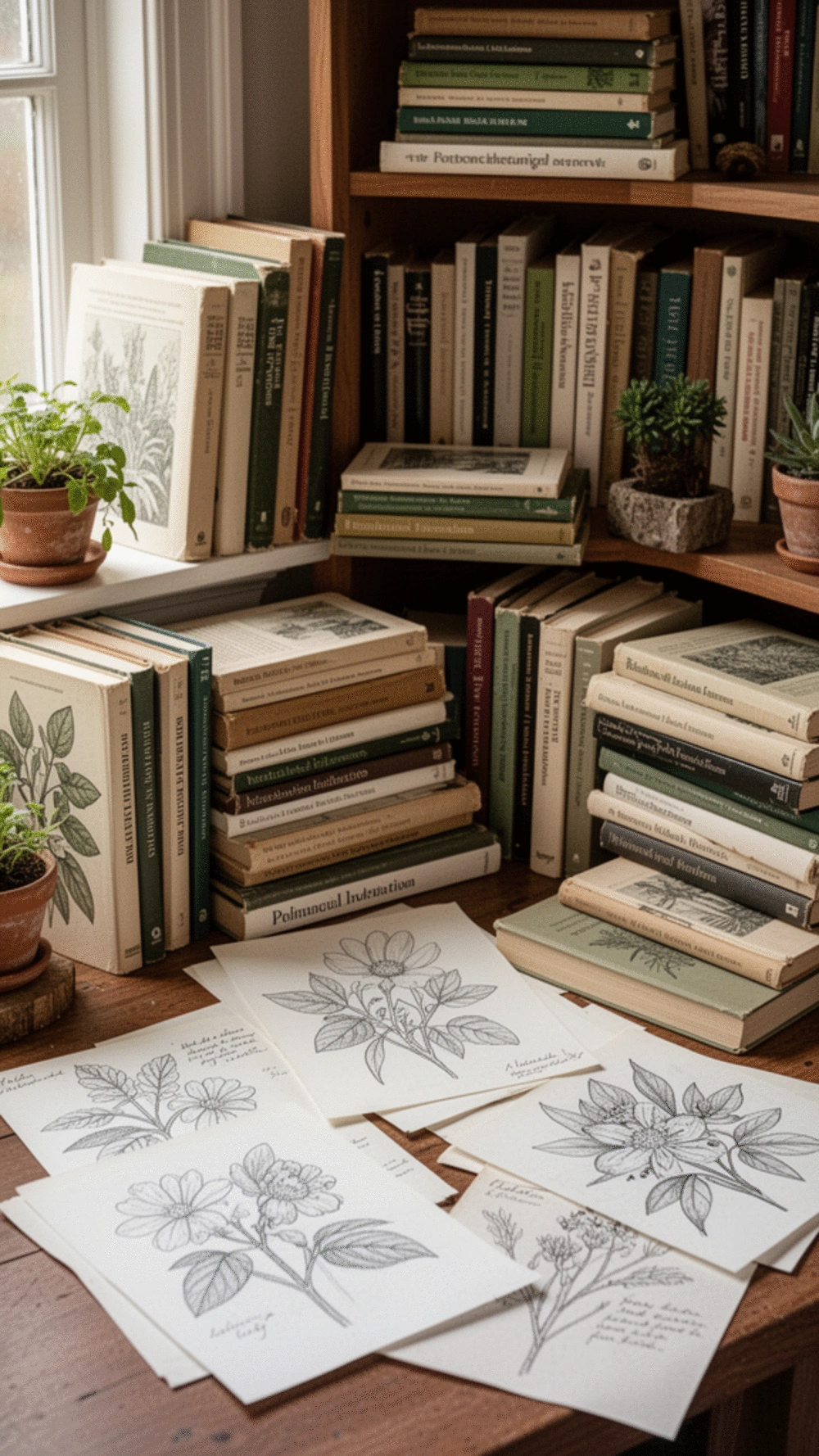
Explore books that inspire your botanical art journey.
Why Inspirational Reference Books Matter: Reference materials are vital for developing your skills and styles in plant drawing. From intricate details of leaves to vibrant colors, books and online resources provide both inspiration and practical techniques that can transform your artwork.
What People Rarely Consider: Many artists overlook the wealth of knowledge available in specialized books. For example, a guide focusing on succulents may offer insights into their unique forms and textures that you wouldn’t find elsewhere. This tendency to stick with general resources can limit creativity and skill development.
📚 Important to Remember:
Look for resources that combine theory with practical applications. For instance, books that include exercises or examples alongside illustrations can help reinforce learning and inspire your own artistic journey.
Recommended Reference Books and Resources: Here are some must-have books and resources that can inspire your plant drawing journey.
📚 Editor's Pick:
This book is a fantastic resource filled with techniques and inspiration, making it a staple for any botanical artist.
💡 Key Steps to Follow:
- Explore various plant illustration books: They offer rich insights and techniques tailored to specific plants.
- Utilize online resources: Websites and courses can provide a dynamic way to learn at your own pace.
- Join botanical art communities: Interacting with other artists can spark new ideas and provide valuable feedback.
CREATING COHESIVE COMPOSITIONS
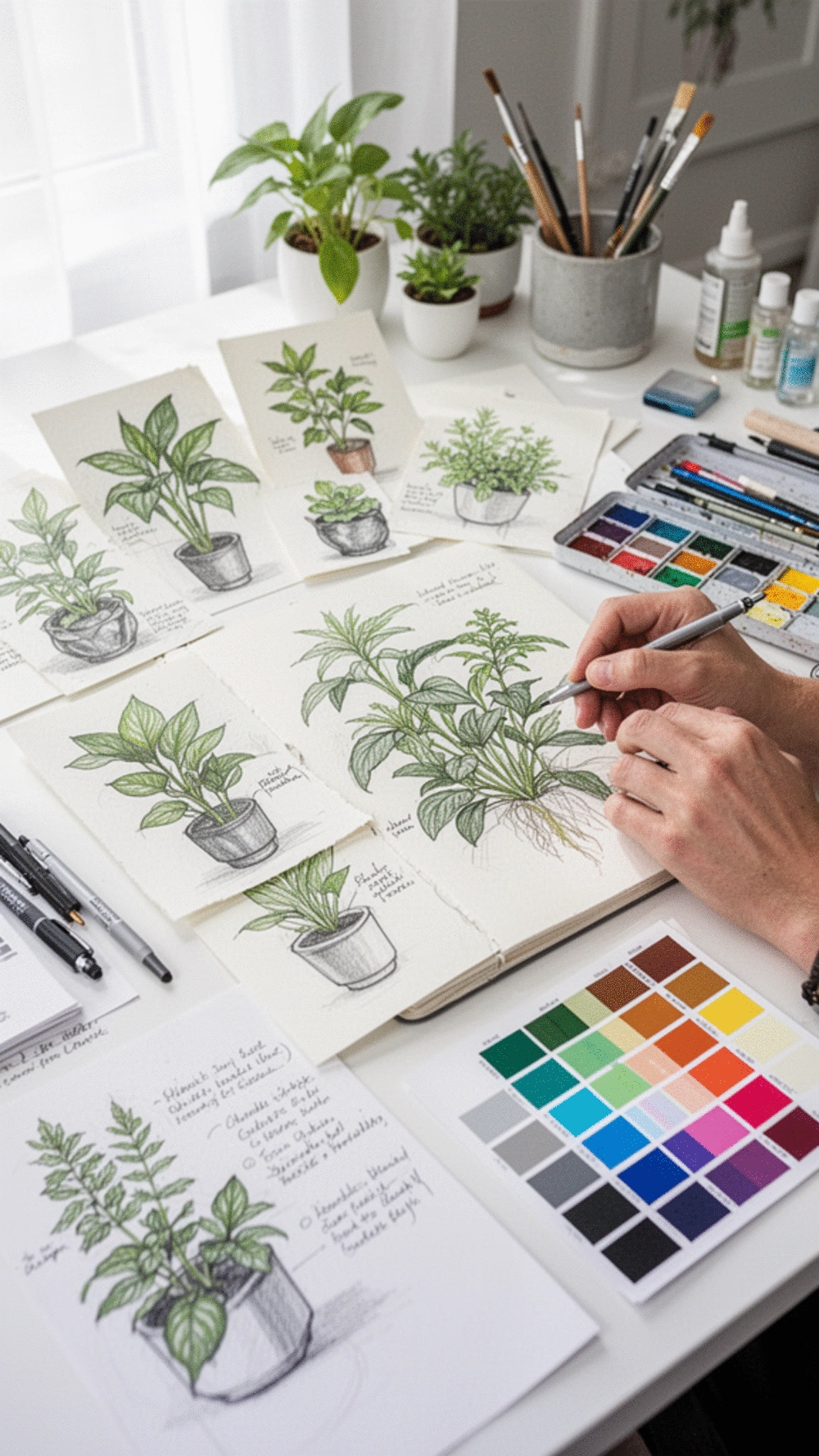
Transform your plant drawings into stunning cohesive artworks with these simple tips.
Understanding the Impact of Cohesive Compositions: Creating a cohesive composition can significantly elevate your plant drawings. By implementing principles like balance, focal points, and effective spacing, you can harmonize your artwork. Arranging your drawings thoughtfully leads to a unified piece where elements support rather than compete.
What People Rarely Consider: Many artists overlook the planning stage of their compositions. This might be due to excitement or a rush to start drawing. For instance, sketching out a layout on a page can reveal how different plants interact with each other, ensuring you avoid clutter and confusion in your final piece.
.🚀 Best Practices:
- Plan your layout: Use small sketches to visualize your overall composition before diving in.
- Create balance: Distribute visual weight evenly across your artwork for harmony.
- Incorporate color wisely: Use color and texture to tie different elements together and unify your piece.
You now have seven practical ways to elevate your plant drawing skills. Start with what feels manageable and remember that every artist’s journey is unique.
As you integrate these techniques, your artistic expression will flourish, and each drawing will reflect your personal touch. Embrace the process, and enjoy the rewarding moments of creation.

Lila Greenfield
As a passionate plant enthusiast and interior design advocate, I founded Plants Cozy Space Vibes to share my deep love for greenery and an eye for aesthetics. My journey began by transforming my own home with plants, discovering their power to create inviting spaces. Now, I'm dedicated to helping you discover the joy of indoor gardening, providing expert insights on plant care, styling, and creative displays that enhance well-being and tranquility. Let's cultivate a lush, inviting sanctuary together!
Popular Posts
Genius Indoor Plant Ideas for Every Room
![Genius Indoor Plant Ideas for Every Room]() Bringing indoor plants into your home can elevate your space and improve air quality. With j
Bringing indoor plants into your home can elevate your space and improve air quality. With j
 Bringing indoor plants into your home can elevate your space and improve air quality. With j
Warm Entryway Plant Ideas for a Cozy Home
![Warm Entryway Plant Ideas for a Cozy Home]() Your entryway is the first impression guests have of your home, and a bland space can feel u
Your entryway is the first impression guests have of your home, and a bland space can feel u
 Your entryway is the first impression guests have of your home, and a bland space can feel u
Beautiful Indoor Plant Wall Art for Home Decor
![Beautiful Indoor Plant Wall Art for Home Decor]() Infusing your home decor with greenery is a powerful way to create an inviting and calming a
Infusing your home decor with greenery is a powerful way to create an inviting and calming a
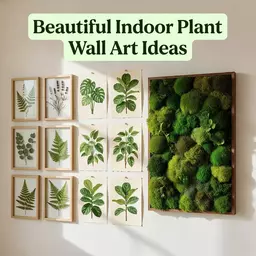 Infusing your home decor with greenery is a powerful way to create an inviting and calming a
Minimal Botanical Print Ideas for Indoor Plants
![Minimal Botanical Print Ideas for Indoor Plants]() Finding the right decor to complement your indoor plants can be a challenge. Botanical art p
Finding the right decor to complement your indoor plants can be a challenge. Botanical art p
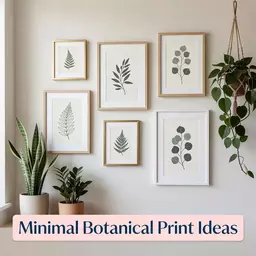 Finding the right decor to complement your indoor plants can be a challenge. Botanical art p
