Plants to Draw for Boosting Your Art Skills
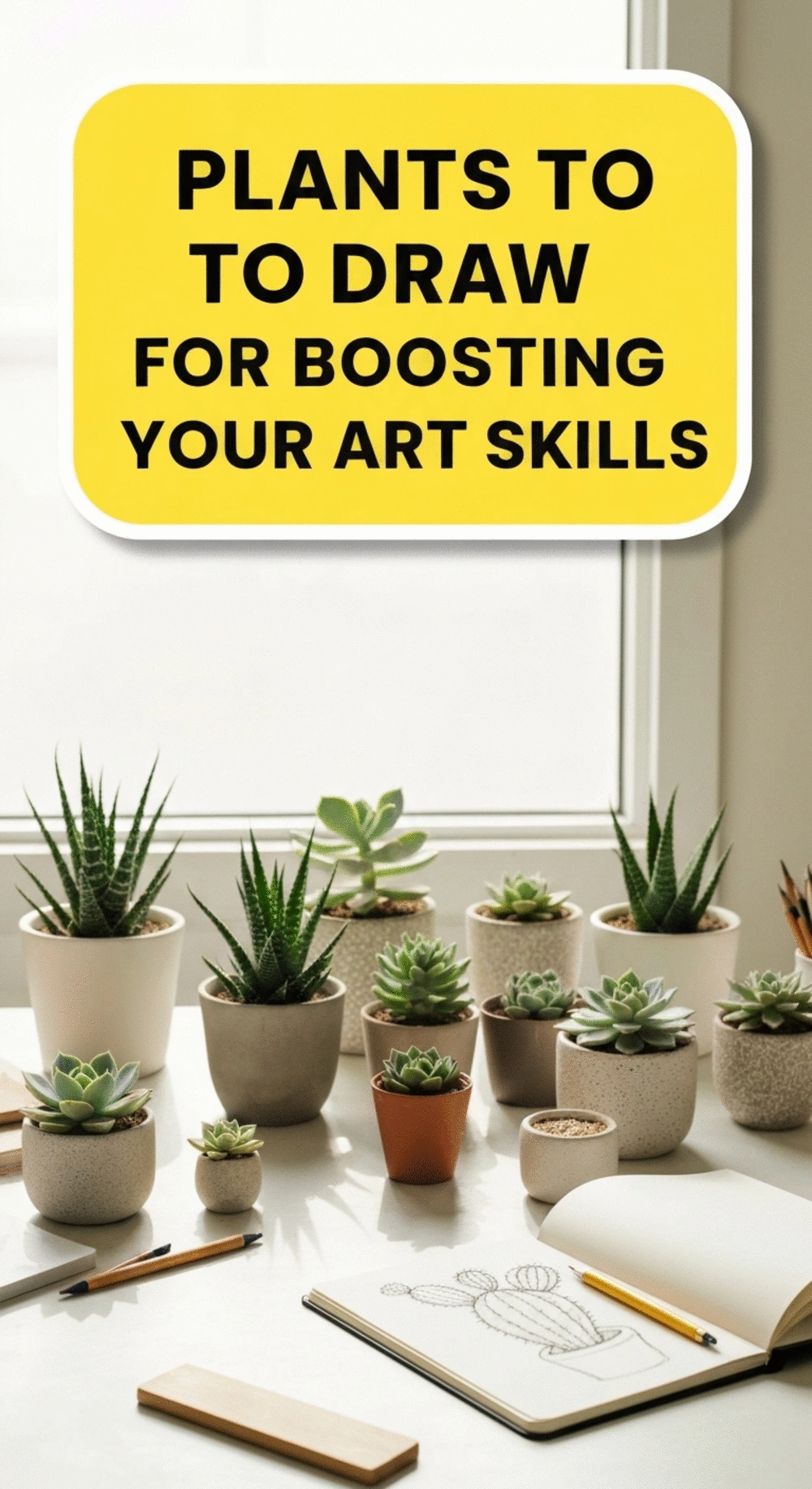
Choosing beginner-friendly plants to draw can often feel overwhelming, especially when you want to enhance your skills. The good news? There are easy options that can boost your confidence and creativity. Let’s dive into your first plant inspiration!
Easily Draw Succulents and Cacti
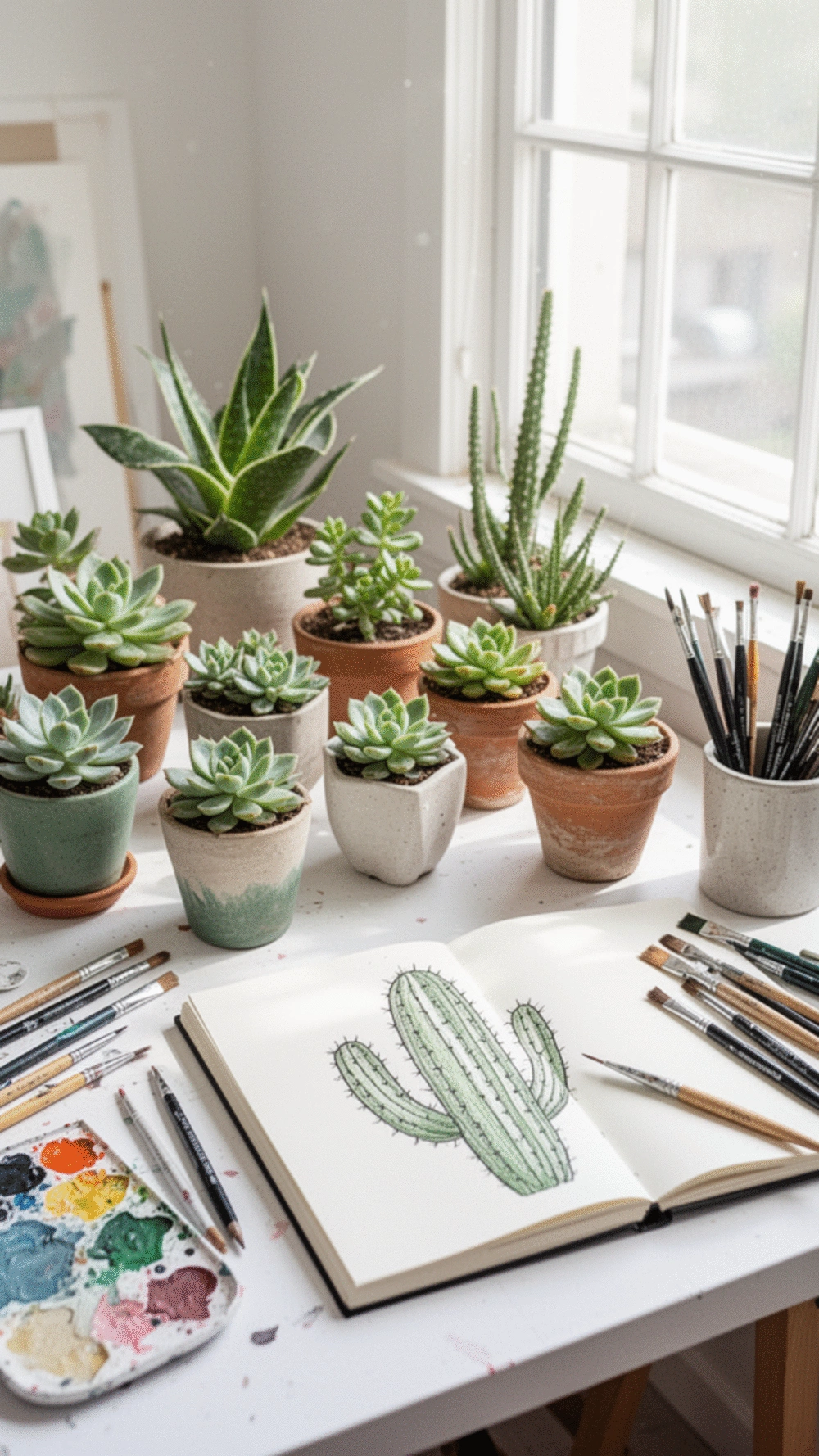
Discover the joy of drawing succulents and cacti to enhance your skills.
As an Amazon Associate I earn from qualifying purchases. Affiliate links may earn me a commission at no extra cost to you.
Why Drawing Succulents and Cacti Matters: Succulents and cacti are fascinating subjects due to their geometric shapes and unique textures. Their simple forms make them accessible for beginners, providing a base for enhancing drawing skills. Plus, their popularity in home decor offers endless inspiration for your botanical illustrations.
What People Rarely Consider: Many aspiring artists overlook the power of shading techniques when drawing these plants. By using varying shades to emphasize depth, you can transform a basic sketch into a more realistic depiction. For instance, the way light hits a cactus can create stunning contrasts that highlight its features, yet beginners often miss this detail due to focusing solely on outlines.
- Start with basic shapes to map out your succulent or cactus before adding details.
- Use shading techniques, like cross-hatching, to create depth and dimension.
- For guidance, check out Botanical Drawing for Beginners for step-by-step tutorials.
⭐ Recommended Products for Drawing Succulents and Cacti
✨ Editor's Pick
Botanical Drawing for Beginners
★★★★★
Our Score: 4.8/5
This book offers step-by-step tutorials for mastering botanical illustrations of succulents.
View on Amazon →Sketching Succulents: A Beginner's Guide
★★★★★
Our Score: N/A
This guide focuses on practical exercises for drawing succulents, perfect for beginners.
View on Amazon →Cacti Drawing Made Easy
★★★★★
Our Score: N/A
This book provides unique perspectives on cactus species and color usage for artists.
View on Amazon →💡 Key Steps to Follow:
- Start with basic shapes: Outline the broad shapes of your succulent or cactus first.
- Focus on shading techniques: Experiment with cross-hatching to create shadows and depth.
- Gather references: Use images from decor magazines or online resources for inspiration.
Master Simple Flower Sketches
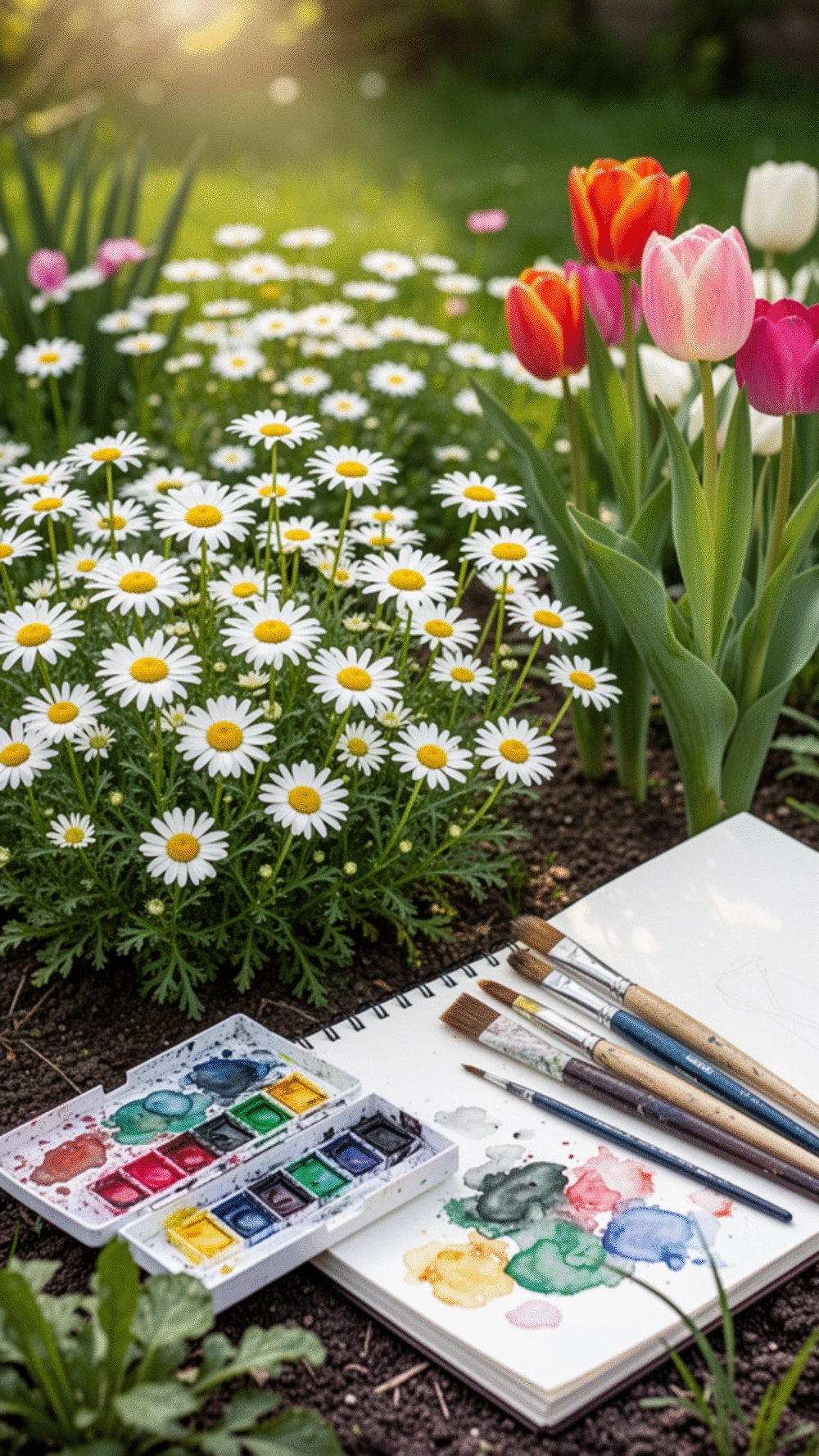
Capture the simple beauty of flowers with confidence in your art.
Why Simple Flower Sketches Matter: Flowers, like daisies and tulips, are visually captivating due to their symmetrical shapes and vibrant colors. They not only inspire creativity but also provide a confidence boost for artists. Their uncomplicated forms make them accessible for beginners, encouraging experimentation with styles and techniques.
A Subtle Issue That Adds Up: Many artists overlook the power of breaking flowers down into basic shapes. For instance, focusing on the circular outline of a tulip or the petal arrangements of daisies can simplify the drawing process. This often gets missed amid the details, as the urge to replicate the final look can overshadow the basics.
- Start with simple flower outlines to build confidence and skills.
- Explore color blending tips to make your sketches vibrant. Check out the Beginner's Guide to Flower Drawing for techniques!
- Practice sketching flowers from different angles to enhance your perspective skills.
⭐ Flower Drawing Resources
Sketching Flowers: The Essentials
★★★★☆
Our Score: 4.5/5
This guide offers a wide variety of flowers for artists to practice and enhance their skills.
View on Amazon →✨ Editor's Pick
Beginner's Guide to Flower Drawing
★★★★★
Our Score: 4.9/5
This book provides step-by-step illustrations and tips to boost your flower drawing confidence.
View on Amazon →Watercolor Flowers for Beginners
★★★★☆
Our Score: 4.6/5
Perfect for artists wanting to learn watercolor techniques specifically for flower illustrations.
View on Amazon →💡 Quick Tips:
- Start with simple outlines: Focus on basic shapes to build your confidence with flowers.
- Use vibrant colors: Experiment with color blending to make your flower sketches pop.
- Sketch from different angles: This will enhance your understanding of flower forms and proportions.
Explore Drawing Leaves and Foliage
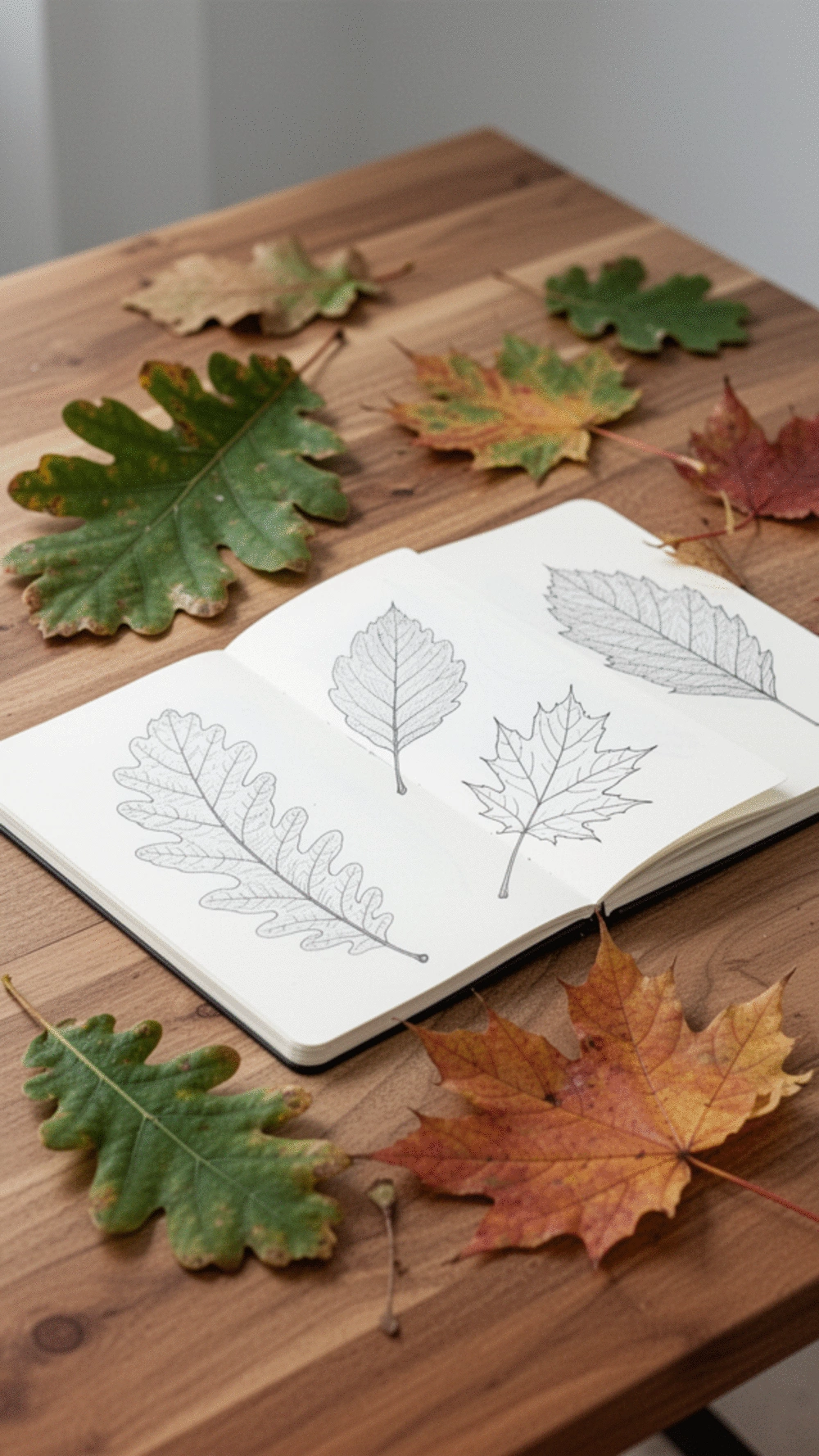
Bring nature's beauty to your sketches with easy-to-draw leaves.
The Beauty of Drawing Leaves and Foliage: Leaves are an often-overlooked yet captivating subject for budding artists. With their diverse shapes and intricate textures, like those of oak and maple, they provide a wonderful opportunity for beginners to practice capturing detail and shading. Drawing leaves can elevate your sketches while enhancing your observation skills.
An Easy Detail to Overlook: Many artists underestimate the importance of natural variations in leaves. Each leaf has unique shapes and shades, which can be challenging to replicate. For instance, observing the subtle differences in oak leaves compared to the smoother edges of a maple leaf can deepen your understanding and appreciation of foliage. Often, artists skip these observations, leading to less authentic representations.
⭐ Drawing Leaves and Foliage
Sketching Leaves for Beginners
★★★★☆
Our Score: 4.5/5
This guide provides step-by-step techniques specifically for drawing various leaves effectively.
View on Amazon →Leaves: A Sketching Guide
★★★★☆
Our Score: 4.7/5
It offers detailed exercises to improve your skills in drawing various leaf structures.
View on Amazon →✨ Editor's Pick
Botanical Leaf Drawing
★★★★☆
Our Score: 4.6/5
This book covers techniques for shading and drawing a variety of leaf styles artfully.
View on Amazon →💡 Your Quick Start Guide:
- Observe Nature: Spend time outdoors to notice the variations in leaf shapes and colors.
- Practice Shading: Use different pencil pressures to create depth and texture in your leaf drawings.
- Keep a Sketch Diary: Document your observations of leaves to track your progress and inspiration.
Get Creative with Herbs and Edibles
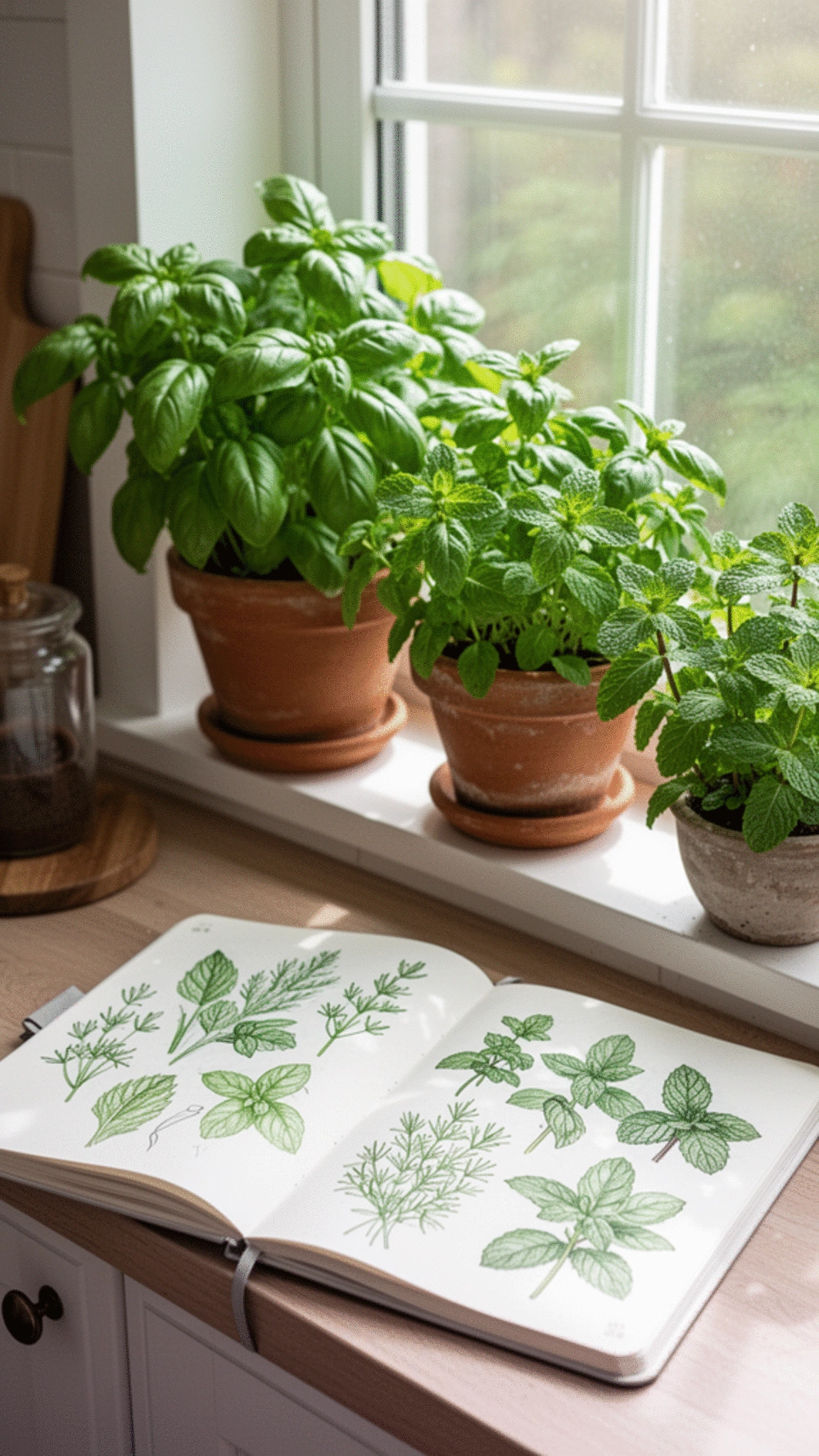
Discover the joy of drawing herbs that are both beautiful and useful.
Why Drawing Herbs and Edibles is Inspiring: Starting with herbs like basil and mint offers artists a delightful blend of simple shapes and varied textures, ideal for practice. Their culinary uses make them fun to draw while also enhancing your cooking skills, creating a unique synergy between art and food.
An Easy Detail to Overlook: Many budding artists miss the chance to integrate their culinary interests with their creative practice. For instance, drawing a sprig of mint can remind you of a refreshing drink recipe. Often, the focus is solely on art or cooking, neglecting how both can enrich one another.
⭐ Recommended Products for Drawing Herbs and Edibles
✨ Editor's Pick
Herbs for the Artist's Palette
4.8
Our Score: 5/5
This guide provides step-by-step herb drawings with culinary tips, perfect for artists.
View on Amazon →The Art of Drawing Herbs
4.7
Our Score: 5/5
Detailed illustrations and cooking tips make this book ideal for culinary artists.
View on Amazon →Botanical Sketches: Edibles
4.6
Our Score: 5/5
This book covers various edibles with sketching techniques for every artist level.
View on Amazon →💡 Quick Tips:
- Choose fresh herbs: Drawing from life ensures you capture their vibrant details.
- Experiment with textures: Use varied pencil strokes to convey the unique surfaces of each herb.
- Incorporate culinary uses: Connect your sketches to recipes, adding depth to your artistic inspiration.
You've explored quite a range of plants to draw already, which is a fantastic start! Every line you sketch builds your confidence and refines your artistic eye. Keep an open mind and allow yourself to enjoy the process of discovery, rather than striving for immediate perfection.
💡 Simple Reminders:
- Observe carefully; the details are in the small variations.
- Experiment with different drawing styles to find your unique touch.
- Regular practice, even short sessions, makes a significant difference.
- Don't be afraid to make "mistakes"—they are learning opportunities.
Sketch Vibrant Tropical Plants
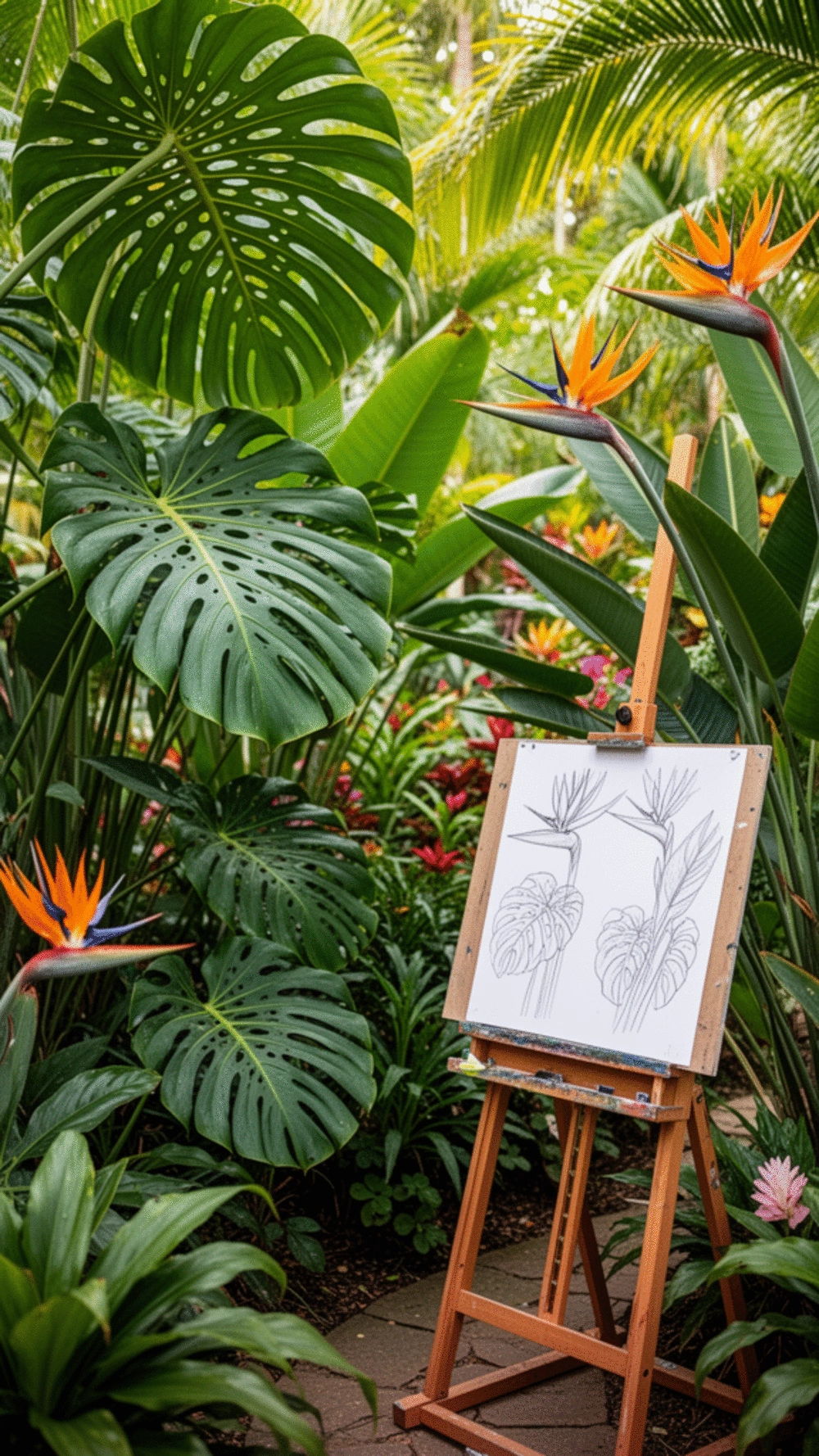
Unleash your creativity with vibrant tropical plants that inspire stunning illustrations.
Why Vibrant Tropical Plants Are a Must-Draw: Tropical plants like monstera and bird of paradise bring a dramatic flair to your artwork. Their vivid colors and striking forms not only enhance visual appeal, but they also challenge artists to explore their color palettes and techniques, making them perfect for deepening your drawing skills.
A Subtle Issue That Adds Up: Many artists overlook the significance of color theory when sketching tropical plants. Understanding how colors interact can drastically enhance your illustrations. For example, failing to recognize how complementary colors can make the greens of a monstera pop can result in a flat-looking drawing. It's a common oversight that can limit the vibrancy of your work.
- Experiment with different shades and hues to find the perfect tone for your tropical plants.
- Use color theory techniques to create depth and vibrancy in your illustrations.
- Check out Tropical Plant Drawing Techniques for detailed guidance on using color effectively.
⭐ Tropical Plant Drawing Techniques
Sketching Tropical Foliage
★★★★☆
Our Score: 4.7/5
This guide offers specialized techniques for capturing the beauty of tropical plants.
View on Amazon →✨ Editor's Pick
Tropical Plant Drawing Techniques
★★★★★
Our Score: 4.9/5
This book provides insightful techniques to create vibrant tropical plant illustrations.
View on Amazon →Colorful Tropicals: A Drawing Guide
★★★★☆
Our Score: 4.5/5
This guide emphasizes diverse tropical plants for an enriching drawing experience.
View on Amazon →💡 Quick Tips:
- Start with basic shapes: Break down tropical plants into simple forms for easier sketching.
- Use vibrant colors: Experiment with bold hues to capture the essence of tropical foliage.
- Blend for depth: Apply layering techniques to give your illustrations a richer, more dynamic look.
Capture the Beauty of Seasonal Plants
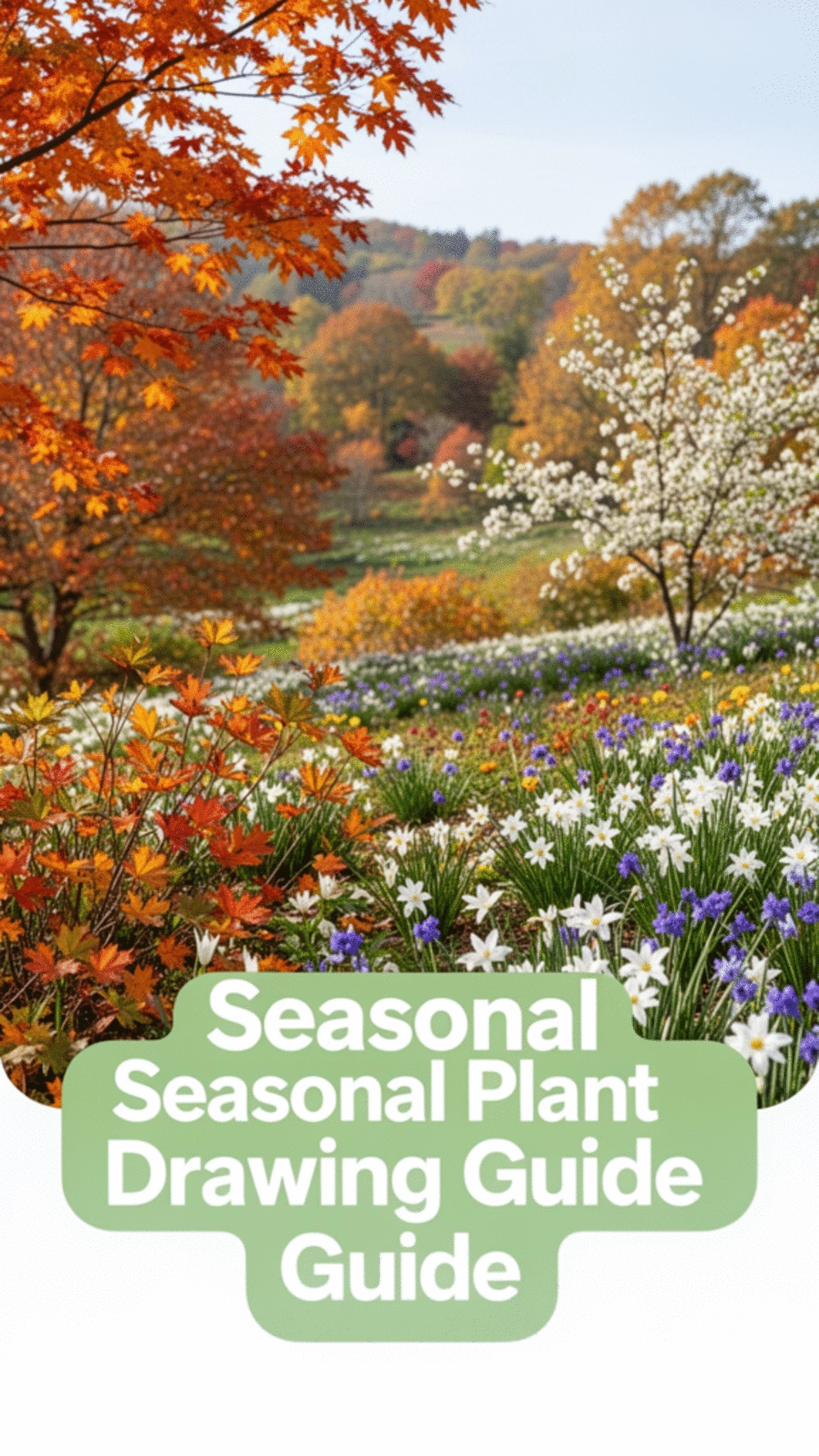
Discover the joy of drawing seasonal plants and embrace nature's changing beauty.
Understanding Seasonal Plants and Their Beauty: Seasonal plants, like chrysanthemums and colorful autumn leaves, inspire artists with their transient beauty. They provide a visual feast of changing colors and shapes, encouraging artists to adapt their styles and grow creatively.
Where Most People Get Stuck: Many artists overlook the potential of seasonal plants because they focus on more traditional subjects. For example, failing to sketch the stunning transformation of a tree from lush green in spring to vibrant red in autumn can lead to missed opportunities for creativity and growth.
💭 Important to Remember:
Keeping a sketch diary of seasonal changes can enhance your observation skills. For instance, drawing the same plant across seasons can help you see subtle differences that might otherwise go unnoticed.
- Experiment with different mediums to capture seasonal colors and textures.
- Consider using the "Seasonal Botanical Drawing" guide for practical exercises.
- Join local outdoor sketching groups to find inspiration in nature's transitions.
⭐ Seasonal Botanical Drawing
Capturing Nature's Seasons
★★★★★
Our Score: 4.7/5
This guide helps you document seasonal changes while enhancing your drawing skills.
View on Amazon →Seasonal Sketching: A Practical Guide
★★★★★
Our Score: 4.7/5
This structured guide offers seasonal plant categories that enhance your sketching skills.
View on Amazon →✨ Editor's Pick
Seasonal Botanical Drawing
★★★★★
Our Score: 4.7/5
This book is essential for documenting seasonal transformations in your art journey.
View on Amazon →💡 Quick Tips:
- Document Changes: Regularly sketch seasonal plants to observe their transformations and details.
- Use Different Mediums: Experiment with watercolors or colored pencils to capture vibrant seasonal colors.
- Join Sketching Groups: Collaborate with others to share seasonal findings and drawing techniques.
Draw Unique Invasive and Common Weeds
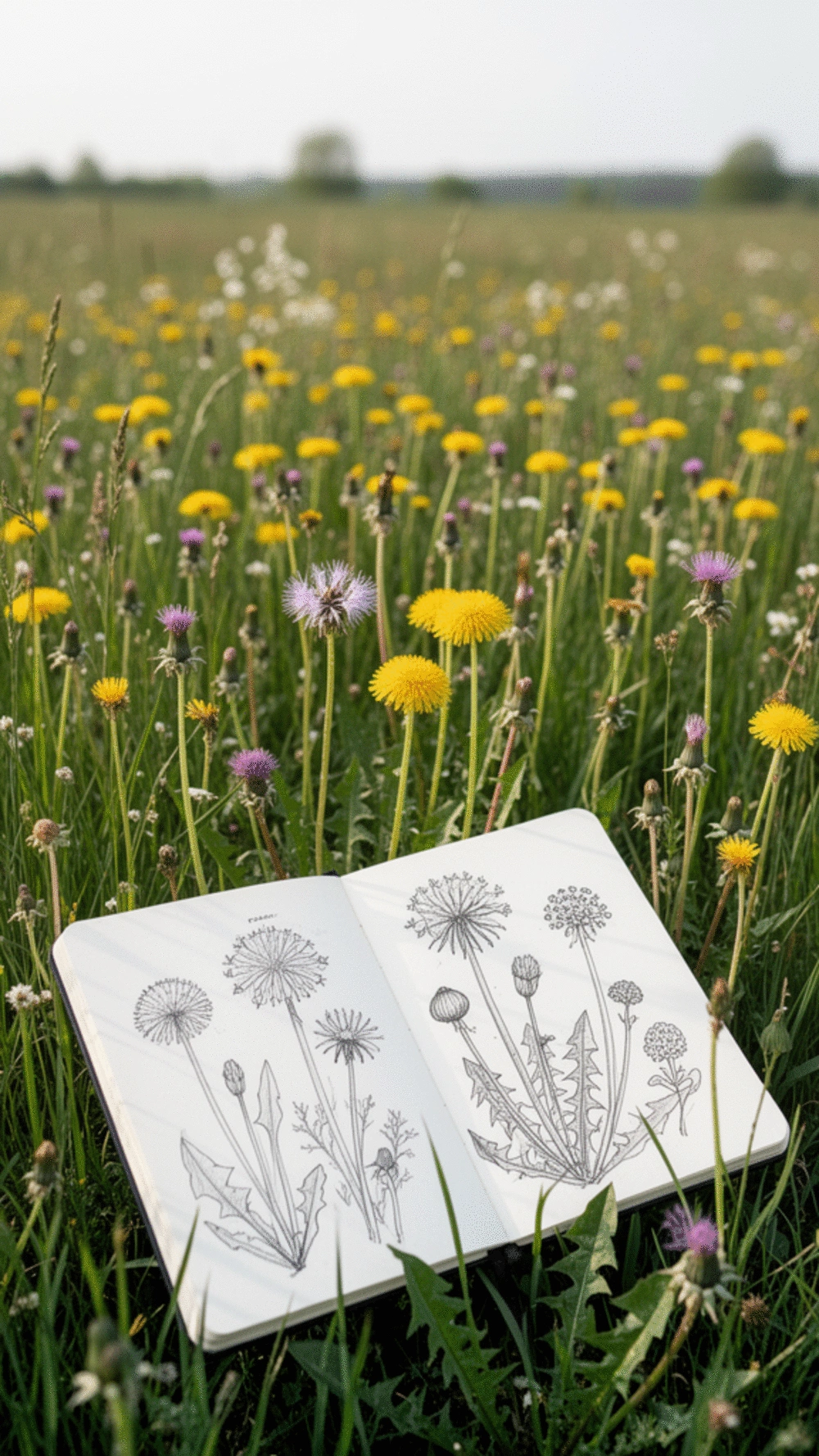
Explore the overlooked beauty of weeds in your art.
Why Drawing Weeds Can Inspire New Perspectives: Weeds like dandelions and thistles boast fascinating shapes that challenge traditional notions of beauty in art. Their unique structures and resilience offer a unique perspective worth exploring. Appreciating these plants can deepen your observation skills and enhance your creativity.
What People Rarely Consider: Many artists overlook the charm of weeds because they’re labeled as nuisances. For example, the delicate nature of a dandelion's seed head can inspire intricate detail yet is easily dismissed in favor of more glamorous plants. This habit of visual blindness can stifle creativity and limit artistic exploration.
- Visit local parks or gardens to discover diverse weed species.
- Experiment with different drawing styles to capture their intricate details.
- Consider using Weeds: An Artist's Guide for inspiration and techniques.
⭐ Weeds: An Artist's Guide
✨ Editor's Pick
Weeds: An Artist's Guide
★★★★☆
Our Score: 4.8/5
This guide focuses on unusual shapes and exercises that inspire creativity while drawing weeds.
View on Amazon →Common Weeds: Sketching Guide
★★★★☆
Our Score: 4.7/5
This guide offers step-by-step sketches and practical tips for capturing common weeds accurately.
View on Amazon →Exploring Weeds through Art
★★★★☆
Our Score: 4.6/5
This book highlights diverse weed species and offers creative exercises for inspiration.
View on Amazon →💡 Quick Tips:
- Explore local areas: Visit parks or gardens to discover interesting weed species.
- Experiment with styles: Try different techniques to capture the unique shapes of weeds.
- Document your findings: Keep a sketchbook to track your progress and observations while drawing.
You now have seven wonderful plant subjects to inspire your drawing journey. Start by focusing on one or two that truly excite you, allowing your creativity to flourish without feeling overwhelmed.
As you embrace these artistic opportunities, each sketch becomes a step toward enhancing your skills and personal expression. Remember, the joy in art comes from the journey, so enjoy each moment of discovery.

Lila Greenfield
As a passionate plant enthusiast and interior design advocate, I founded Plants Cozy Space Vibes to share my deep love for greenery and an eye for aesthetics. My journey began by transforming my own home with plants, discovering their power to create inviting spaces. Now, I'm dedicated to helping you discover the joy of indoor gardening, providing expert insights on plant care, styling, and creative displays that enhance well-being and tranquility. Let's cultivate a lush, inviting sanctuary together!
Popular Posts
Genius Indoor Plant Ideas for Every Room
![Genius Indoor Plant Ideas for Every Room]() Bringing indoor plants into your home can elevate your space and improve air quality. With j
Bringing indoor plants into your home can elevate your space and improve air quality. With j
 Bringing indoor plants into your home can elevate your space and improve air quality. With j
Warm Entryway Plant Ideas for a Cozy Home
![Warm Entryway Plant Ideas for a Cozy Home]() Your entryway is the first impression guests have of your home, and a bland space can feel u
Your entryway is the first impression guests have of your home, and a bland space can feel u
 Your entryway is the first impression guests have of your home, and a bland space can feel u
Beautiful Indoor Plant Wall Art for Home Decor
![Beautiful Indoor Plant Wall Art for Home Decor]() Infusing your home decor with greenery is a powerful way to create an inviting and calming a
Infusing your home decor with greenery is a powerful way to create an inviting and calming a
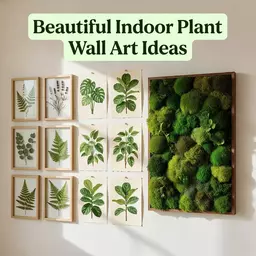 Infusing your home decor with greenery is a powerful way to create an inviting and calming a
Minimal Botanical Print Ideas for Indoor Plants
![Minimal Botanical Print Ideas for Indoor Plants]() Finding the right decor to complement your indoor plants can be a challenge. Botanical art p
Finding the right decor to complement your indoor plants can be a challenge. Botanical art p
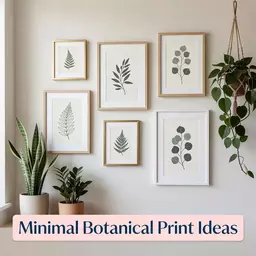 Finding the right decor to complement your indoor plants can be a challenge. Botanical art p
