Plant Care Basics for Healthy Home Plants

As you embark on your indoor gardening journey, understanding the essentials of plant care can transform your space into a thriving green sanctuary. With the right knowledge about watering, lighting, and soil, you'll cultivate a vibrant home filled with life!
As an Amazon Associate I earn from qualifying purchases. Affiliate links may earn me a commission at no extra cost to you.
What You Will Learn
- Watering is crucial; learn to give the right amount at the right time to promote healthy growth.
- Lighting needs vary by plant type; knowing your light sources will ensure your plants thrive.
- Soil quality impacts plant health; the right potting mix supports nutrient absorption and growth.
- Many misconceptions exist about plant care; understanding your plants' unique needs is essential.
- Indoor and outdoor plants have different requirements; recognizing these differences will enhance your care approach.
- Watering frequency depends on plant type, season, and environmental conditions; observe your plants for best results.
- Identifying signs of overwatering or underwatering helps you adjust your care routine effectively.
- Understanding water quality is vital; factors like chlorine content and temperature can affect plant health.
Understanding Plant Care Basics: Why Watering, Lighting, and Soil Matter
As a plant enthusiast, I’ve come to understand that the foundation of thriving greenery lies in mastering the basics of plant care. Watering, lighting, and soil play crucial roles in nurturing your indoor oasis. Each element contributes uniquely to plant health, ensuring they grow strong and vibrant in your home.
Let’s dive deeper into these essential components that keep our leafy friends happy and healthy. After all, creating a cozy space filled with plants starts with knowing what they need!
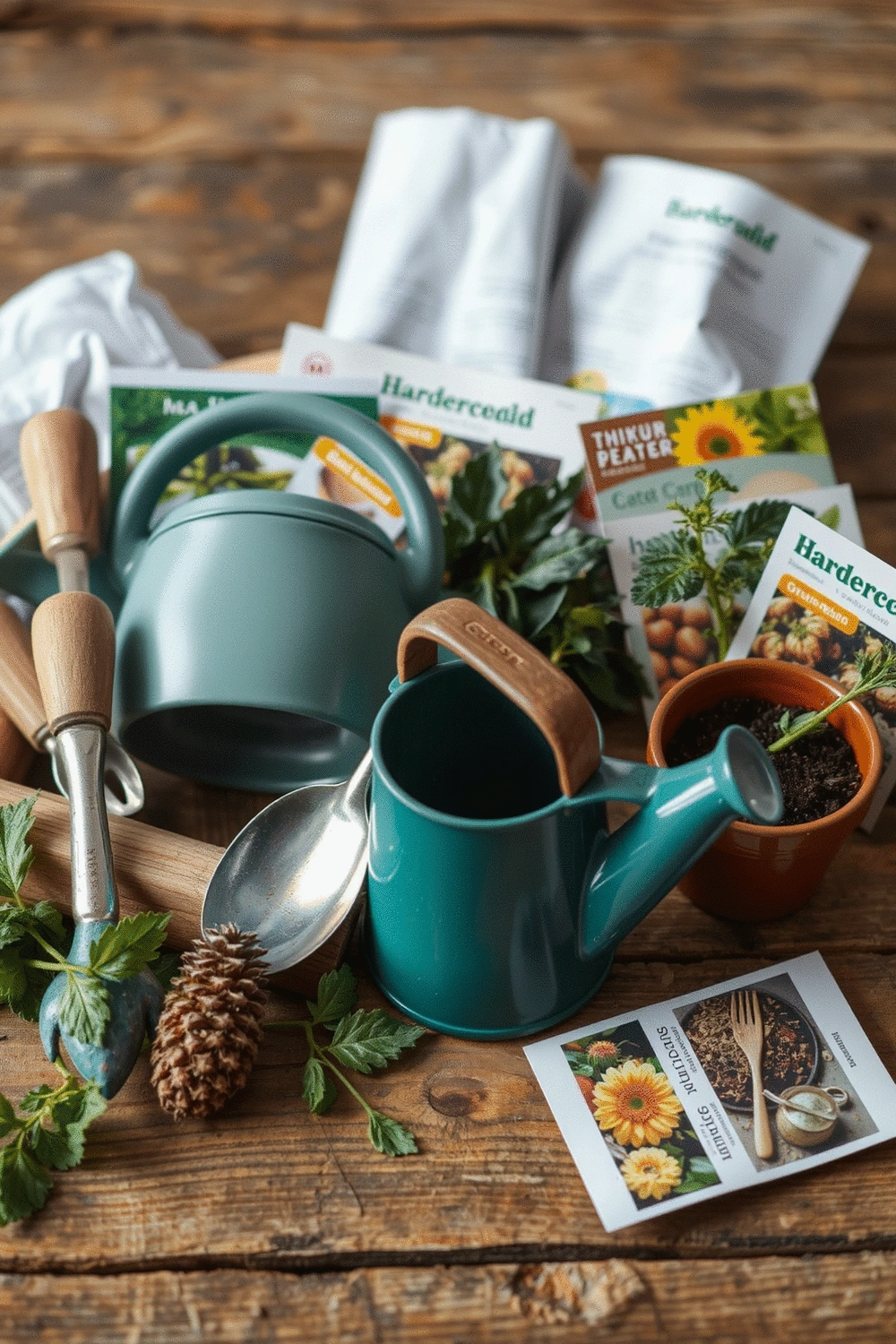
Essential Components of Plant Health
The journey to successful plant care begins with understanding a few key elements:
- Water: The lifeblood of plants, it’s critical to provide the right amount at the right time.
- Light: Plants need various light conditions depending on their type, so knowing your light sources is essential.
- Soil: The right potting mix can make all the difference, supporting healthy growth and nutrient absorption.
Each of these components interacts with the others, creating a delicate balance. For instance, too much water can suffocate roots, while insufficient light can stunt growth. By understanding these relationships, we can create a thriving indoor garden that brings joy to our spaces!
Common Misconceptions About Plant Care
When I first started my plant journey, I stumbled upon several common myths that can lead beginners astray:
- All plants need daily watering: In reality, many prefer their soil to dry out between waterings.
- Plants only need sunlight: While light is important, too much direct sun can harm certain species.
- Indoor plants are low maintenance: They still need regular care, just like any other living thing!
By debunking these myths, we can approach plant care with the right expectations and practices. Remember, every plant is unique, so take the time to understand their specific needs!
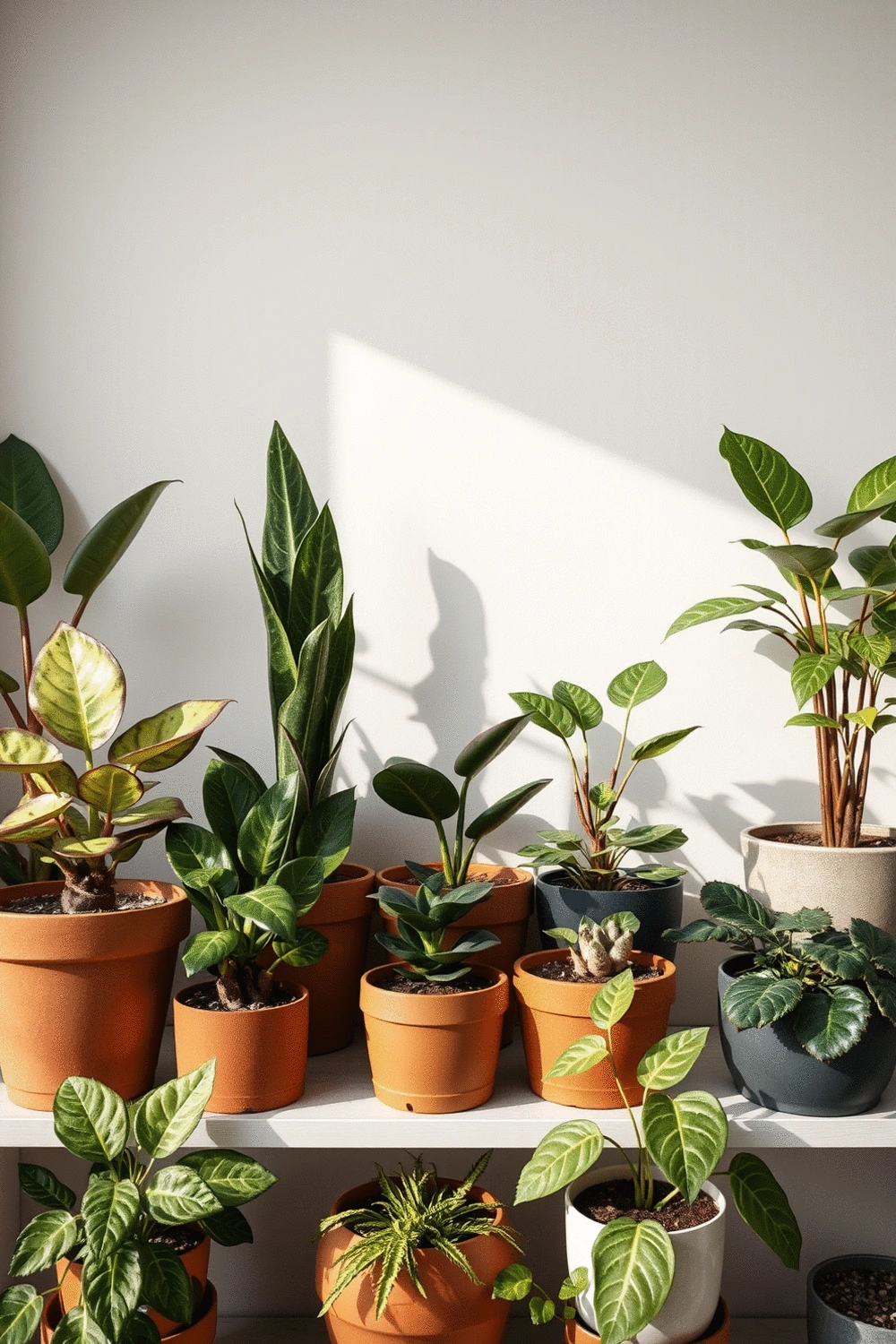
Indoor Plants vs. Outdoor Plants: Key Differences
It’s essential to recognize that indoor and outdoor plants have different care requirements:
- Environmental conditions: Indoor plants thrive in stable environments, while outdoor plants adapt to varying weather.
- Lighting needs: Indoor plants often require specific light conditions while outdoor plants generally have access to natural sunlight.
- Soil types: Indoor plants usually benefit from specialized potting mixes, whereas outdoor plants may thrive in garden soil.
Understanding these differences not only enhances your ability to care for your plants but also helps you select the right varieties for your living space. If you're curious about specific plant types that enhance decor, check out my post on top indoor plants for elevating home decor.
Watering Plants: Essential Tips for Beginners
As an indoor gardening enthusiast, I've learned that watering is one of the most crucial aspects of plant care. It may seem straightforward, but understanding how to water your plants effectively can be a game changer! Let's delve into some essential tips that will help you keep your green friends happy and thriving.
Determining the Right Watering Frequency
The frequency of watering can vary significantly based on several factors. Here are the key points to consider:
- Plant type: Different plants have varying water needs. For instance, succulents require less frequent watering compared to tropical plants. For more ideas on how to create a cozy and inviting home, explore cozy design secrets.
- Season: In warmer months, plants often need more water due to increased evaporation. Conversely, they may require less during the cooler months.
- Environmental conditions: Factors like humidity and temperature can greatly influence how often you should water. A dry, hot room may necessitate more frequent watering.
By observing your plants and adjusting to these factors, you'll find the right watering rhythm that promotes their growth while avoiding potential issues!
Recognizing Signs of Overwatering and Underwatering
Understanding how to identify watering issues is essential for any plant parent. Here are some signs to look for:
- Overwatering: Yellowing leaves, mold on the soil surface, or a musty odor can indicate too much water.
- Underwatering: Wilting, crispy leaves, or soil that pulls away from the pot's edges are signs that your plant is thirsty.
If you notice any of these signs, it’s time to adjust your watering habits. Remember, it's always better to underwater than overwater—a little dry spell can often be remedied!
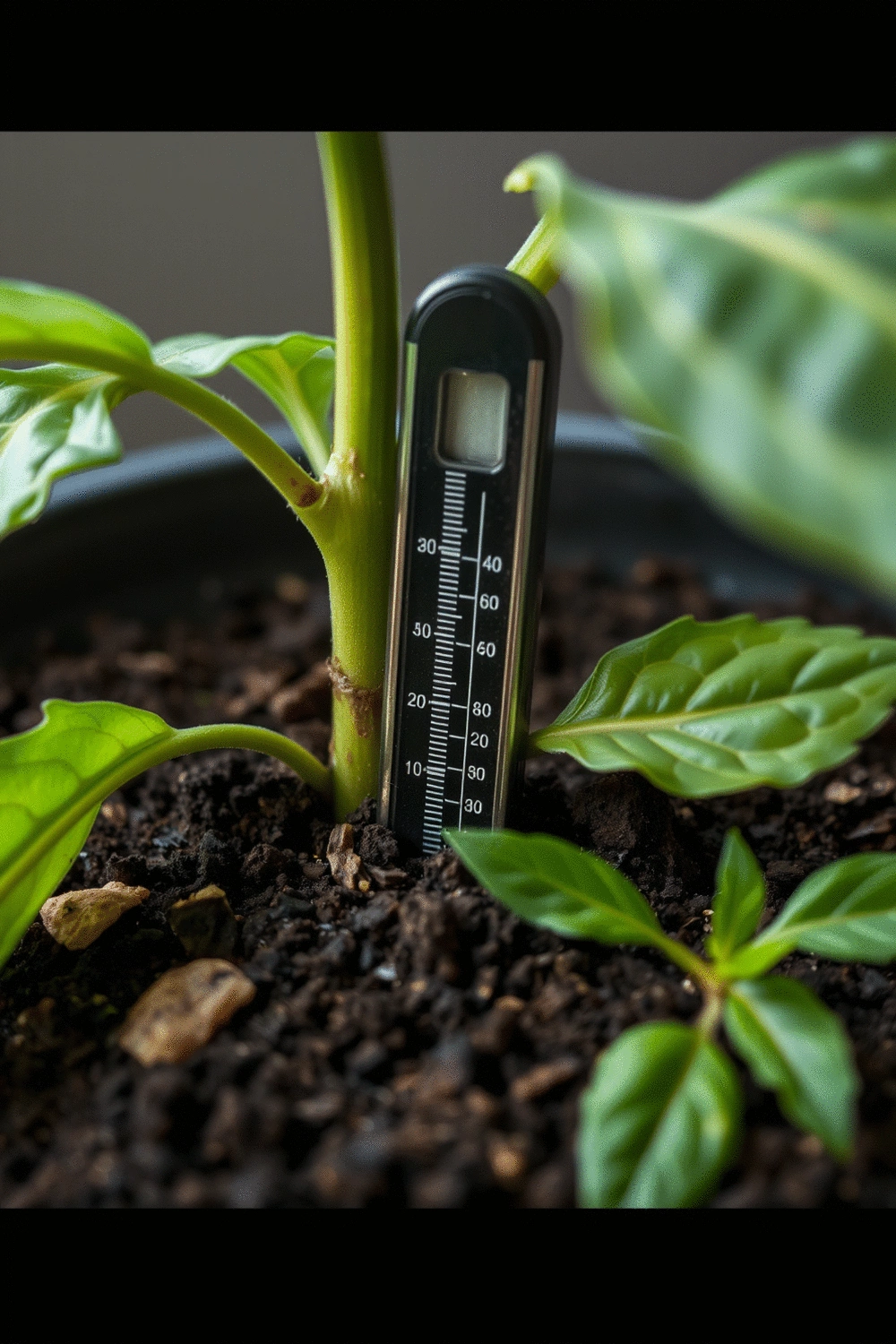
Creating a Watering Schedule That Works
Establishing a consistent watering routine tailored to your plants' needs is key to maintaining a healthy indoor garden. Here’s how to create a personalized schedule:
- Start by noting each plant’s watering needs and preferences.
- Consider using a calendar or an app to remind you when to check on your plants.
- Adjust the schedule according to seasonal changes, as plants may require different amounts of water throughout the year.
This tailored approach not only helps you remember your plants' needs but also makes care feel less overwhelming!
Understanding Water Quality and Its Impact on Plant Health
Did you know that the quality of the water you use can affect your plants? Here are some important factors:
- Chlorine and chemicals: Tap water often contains chlorine, which can harm sensitive plants. Letting water sit for 24 hours can help reduce chlorine levels.
- Water temperature: Room temperature water is ideal for most plants, as cold water can shock their roots.
- Minerals: Some plants thrive in mineral-rich water, while others prefer distilled or rainwater for better absorption.
By paying attention to the quality of your watering source, you can ensure that your plants are getting the best possible care! For more tips on making your space healthier with plants, check out my post on air-purifying plants. For a restful night's sleep, consider incorporating these elements into your sleep space.
Frequently Asked Questions (FAQs)
- Q: How often should I water my indoor plants?
- A: Watering frequency depends on the plant type, season, and environmental conditions. It's best to observe your plants and check the soil moisture before watering. Many plants prefer the soil to dry out slightly between waterings.
- Q: What are the signs of overwatering?
- A: Signs of overwatering include yellowing leaves, mold on the soil surface, or a musty odor.
- Q: How can I tell if my plant is underwatered?
- A: Wilting, crispy leaves, or soil that pulls away from the pot's edges are common signs of underwatering.
- Q: Does water quality affect my plants?
- A: Yes, water quality is important. Tap water can contain chlorine, which may harm sensitive plants. Letting water sit for 24 hours can help. Room temperature water is generally preferred, and some plants benefit from distilled or rainwater.
- Q: Are indoor plants truly low maintenance?
- A: While some indoor plants are easier to care for than others, none are truly "low maintenance" in the sense of requiring no care. They still need regular attention regarding watering, light, and soil to thrive.
Recap of Key Points
Here is a quick recap of the important points discussed in the article:
- Watering: Provide the right amount of water according to the plant type, season, and environmental conditions.
- Lighting: Understand the light requirements specific to each type of plant, as too much or too little light can affect their growth.
- Soil: Choose the appropriate potting mix to support healthy growth and nutrient absorption.
- Common Myths: Avoid misconceptions like daily watering for all plants; many thrive on less frequent watering.
- Indoor vs. Outdoor Care: Recognize the different care needs between indoor and outdoor plants, especially regarding environmental conditions and soil types.

Lila Greenfield
As a passionate plant enthusiast and interior design advocate, I founded Plants Cozy Space Vibes to share my deep love for greenery and an eye for aesthetics. My journey began by transforming my own home with plants, discovering their power to create inviting spaces. Now, I'm dedicated to helping you discover the joy of indoor gardening, providing expert insights on plant care, styling, and creative displays that enhance well-being and tranquility. Let's cultivate a lush, inviting sanctuary together!
Popular Posts
Genius Indoor Plant Ideas for Every Room
![Genius Indoor Plant Ideas for Every Room]() Bringing indoor plants into your home can elevate your space and improve air quality. With j
Bringing indoor plants into your home can elevate your space and improve air quality. With j
 Bringing indoor plants into your home can elevate your space and improve air quality. With j
Warm Entryway Plant Ideas for a Cozy Home
![Warm Entryway Plant Ideas for a Cozy Home]() Your entryway is the first impression guests have of your home, and a bland space can feel u
Your entryway is the first impression guests have of your home, and a bland space can feel u
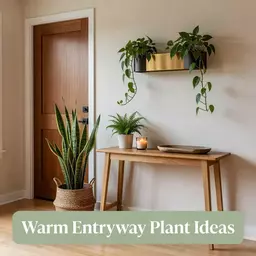 Your entryway is the first impression guests have of your home, and a bland space can feel u
Beautiful Indoor Plant Wall Art for Home Decor
![Beautiful Indoor Plant Wall Art for Home Decor]() Infusing your home decor with greenery is a powerful way to create an inviting and calming a
Infusing your home decor with greenery is a powerful way to create an inviting and calming a
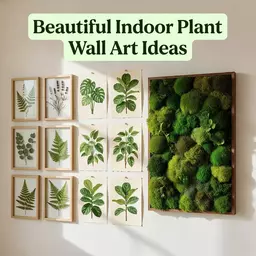 Infusing your home decor with greenery is a powerful way to create an inviting and calming a
Minimal Botanical Print Ideas for Indoor Plants
![Minimal Botanical Print Ideas for Indoor Plants]() Finding the right decor to complement your indoor plants can be a challenge. Botanical art p
Finding the right decor to complement your indoor plants can be a challenge. Botanical art p
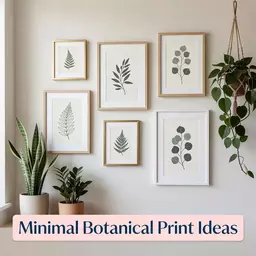 Finding the right decor to complement your indoor plants can be a challenge. Botanical art p
