Air-Purifying Plants for Healthier Home Interiors
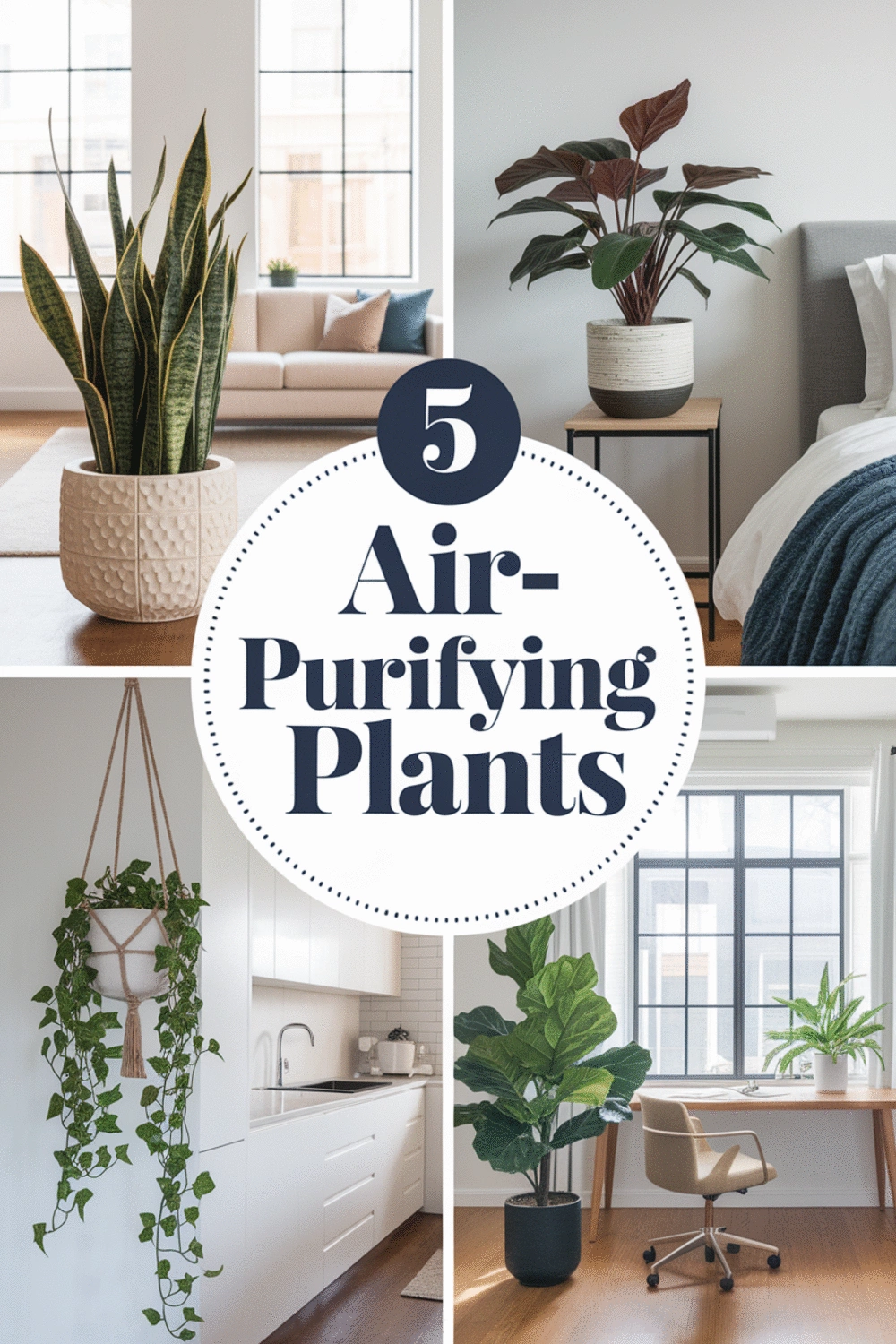
Did you know that we spend about 90% of our time indoors, making the quality of our indoor air crucial for our health? Discover how integrating air-purifying plants can not only beautify your space but also enhance your well-being.
As an Amazon Associate I earn from qualifying purchases. Affiliate links may earn me a commission at no extra cost to you.
What You Will Learn
- Understanding the health risks associated with poor indoor air quality and how it can affect cognitive function.
- The mechanism of phytoremediation and how plants filter out harmful pollutants like formaldehyde and benzene.
- Insights from the NASA Clean Air Study showing the effectiveness of plants such as the Peace Lily and Snake Plant in improving indoor air quality.
- Tips on selecting the right air-purifying plants based on your interior design style and specific plant needs.
Enhancing Indoor Air Quality with Natural Solutions
The Importance of Air Quality in Home Environments
Maintaining good indoor air quality is vital for our health and well-being. Poor air quality can lead to a myriad of health issues, from respiratory problems to decreased cognitive function. Did you know that we spend about 90% of our time indoors? This makes it crucial to ensure the air we breathe is clean and fresh! Incorporating air-purifying plants into our homes is one of the most natural and effective ways to enhance indoor air quality.
Indoor plants not only add a touch of nature but also help filter out harmful pollutants. By introducing greenery into your space, you create a more inviting atmosphere that promotes tranquility and comfort. It's like having a little slice of nature right in your living room!
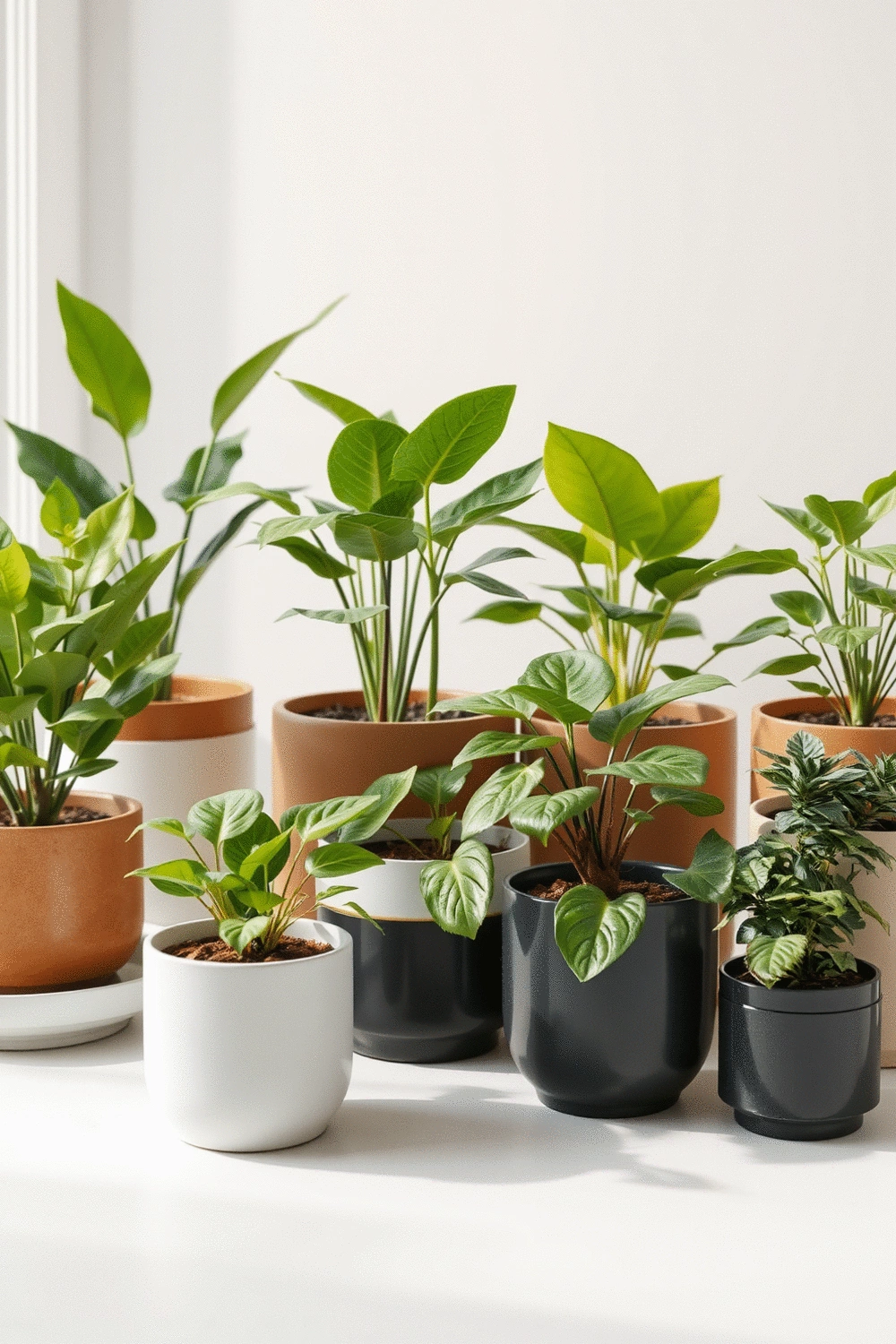
Understanding Air Purification Mechanisms of Plants
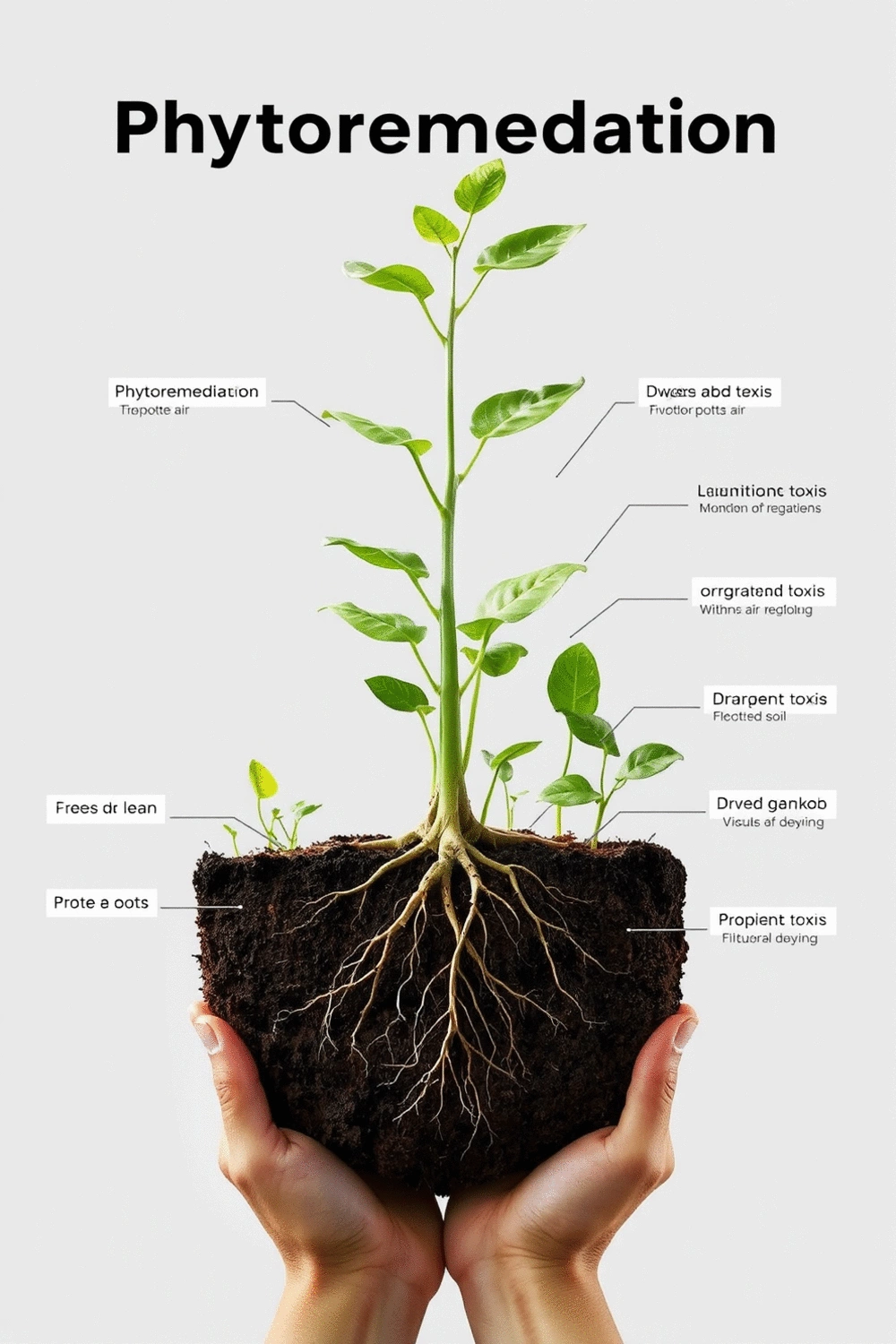
So, how do air-purifying plants work their magic? It all comes down to a process called phytoremediation. This is when plants absorb and break down toxins through their leaves and roots. Many common indoor plants are champions at removing volatile organic compounds (VOCs) such as formaldehyde and benzene. These compounds can come from everyday items like cleaning products, furniture, and paint.
- Formaldehyde: Found in some adhesives and insulation materials.
- Benzene: Commonly found in gasoline and cigarette smoke.
- Carbon Monoxide: A colorless gas emitted from gas stoves and heaters.
By understanding these mechanisms, we can choose plants that best suit our needs and maximize their air-purifying benefits. It’s fascinating how nature has equipped these plants to combat indoor air pollution!
The Role of the NASA Clean Air Study in Understanding Air Purifying Plants
The NASA Clean Air Study is a pivotal piece of research that highlights the effectiveness of various air-purifying plants. This study demonstrated that certain species can significantly reduce indoor pollutants, making our homes healthier places to live. Plants like the Peace Lily and Spider Plant were found to be particularly effective.
- Peace Lily: Removes harmful toxins while being low-maintenance.
- Snake Plant: Known for its ability to convert CO2 into oxygen at night.
- Bamboo Palm: A great humidifier that filters out formaldehyde.
These findings not only underline the importance of integrating plants into our homes but also guide us in making informed choices to improve air quality. For a deeper dive into the types of plants that can elevate your home decor while boosting air quality, check out our post on top indoor plants for 2025.
Summarizing Key Insights on Air-Purifying Plants
In our journey through the world of air-purifying plants, we've uncovered some essential insights about their benefits, care, and effectiveness in creating healthier home interiors. From the Peace Lily's ability to filter toxic chemicals to the striking aesthetic of the Snake Plant, incorporating greenery into your space can transform not just the environment but also your well-being. Remember, every little green friend you welcome into your home contributes to cleaner air, enhanced tranquility, and a vibrant atmosphere!To keep your indoor garden thriving and effective, it's crucial to understand their specific needs. Light, water, and humidity are key players in nurturing these plants. Don’t forget to consider your home’s unique conditions when selecting your green companions.
Encouraging a Healthier Home Environment
Now that we've explored the incredible benefits of air-purifying plants, I encourage you to take action! It’s time to incorporate these lush greens into your living spaces. Imagine the fresh air and serene ambiance they’ll bring. By integrating plants like the Bamboo Palm or Boston Fern, you'll not only beautify your home but also enhance your overall health and well-being. Let’s start this green journey together!
For more inspiration, check out my post on 5 Inspiring Ideas for Incorporating Biophilic Design at Home to see how plants can fit seamlessly into your decor.
Integrating Indoor Plants into Biophilic Design
Integrating air-purifying plants into your home is a beautiful way to embrace biophilic design. This design philosophy emphasizes our connection to nature, and what better way to achieve that than with plants? By incorporating greenery, not only do you bring life and color to your interiors, but you also promote eco-friendly living. Try pairing your plants with natural materials and organic shapes to enhance this connection. For additional tips on creating a cohesive and inviting living space, explore how to add warmth to a living room with wood.
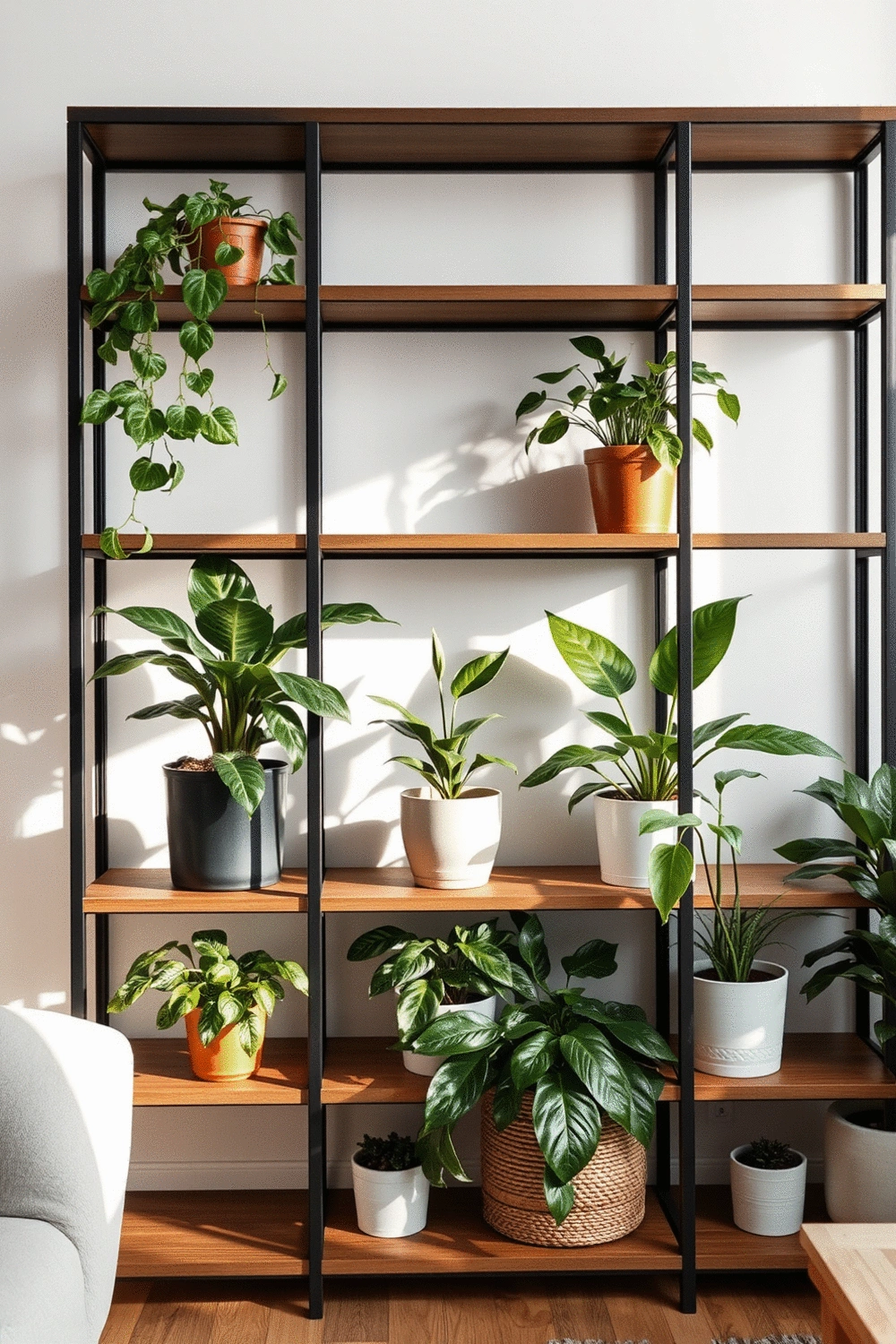
Consider creating focal points with a stunning plant shelf to showcase your favorite air-purifying species! If you need help setting that up, take a look at my Step-by-Step Guide to Creating a Stunning Plant Shelf.
Choosing Plants Based on Interior Design Styles
As you look to select air-purifying plants, it's essential to align them with your home’s decor style. Here are some tips for choosing plants that complement various aesthetics:
- Modern Minimalism: Opt for sleek plants like the Snake Plant or ZZ Plant that require minimal upkeep.
- Bohemian Vibes: Embrace hanging plants or trailing varieties, such as Pothos, to create a lush, free-spirited atmosphere.
- Feng Shui Principles: Incorporate plants like the Peace Lily to invite positive energy and peace into your space.
Ultimately, each plant serves not only to purify the air but also to enhance the visual appeal of your home. As you make your selections, keep in mind the unique personality of your space and how plants can elevate that ambiance! You might also find inspiration for creating a relaxing atmosphere by checking out 10 essential tips to create a peaceful sleep space.
Recap of Key Points
Here is a quick recap of the important points discussed in the article:
- Maintaining good indoor air quality is essential for health and well-being, as we spend about 90% of our time indoors.
- Air-purifying plants, such as the Peace Lily and Snake Plant, can effectively filter harmful pollutants like formaldehyde and benzene.
- Understanding the air purification mechanisms of plants helps in selecting the right species for specific indoor environments.
- The NASA Clean Air Study underscores the effectiveness of various indoor plants in reducing air pollutants.
- Incorporating plants into biophilic design enhances the connection to nature and promotes a serene living space.
- Consider aligning plant selections with your home’s decor style to enhance both aesthetics and air quality.

Lila Greenfield
As a passionate plant enthusiast and interior design advocate, I founded Plants Cozy Space Vibes to share my deep love for greenery and an eye for aesthetics. My journey began by transforming my own home with plants, discovering their power to create inviting spaces. Now, I'm dedicated to helping you discover the joy of indoor gardening, providing expert insights on plant care, styling, and creative displays that enhance well-being and tranquility. Let's cultivate a lush, inviting sanctuary together!
Popular Posts
Genius Indoor Plant Ideas for Every Room
![Genius Indoor Plant Ideas for Every Room]() Bringing indoor plants into your home can elevate your space and improve air quality. With j
Bringing indoor plants into your home can elevate your space and improve air quality. With j
 Bringing indoor plants into your home can elevate your space and improve air quality. With j
Warm Entryway Plant Ideas for a Cozy Home
![Warm Entryway Plant Ideas for a Cozy Home]() Your entryway is the first impression guests have of your home, and a bland space can feel u
Your entryway is the first impression guests have of your home, and a bland space can feel u
 Your entryway is the first impression guests have of your home, and a bland space can feel u
Beautiful Indoor Plant Wall Art for Home Decor
![Beautiful Indoor Plant Wall Art for Home Decor]() Infusing your home decor with greenery is a powerful way to create an inviting and calming a
Infusing your home decor with greenery is a powerful way to create an inviting and calming a
 Infusing your home decor with greenery is a powerful way to create an inviting and calming a
Minimal Botanical Print Ideas for Indoor Plants
![Minimal Botanical Print Ideas for Indoor Plants]() Finding the right decor to complement your indoor plants can be a challenge. Botanical art p
Finding the right decor to complement your indoor plants can be a challenge. Botanical art p
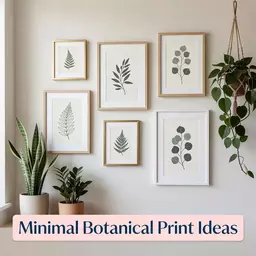 Finding the right decor to complement your indoor plants can be a challenge. Botanical art p
