Seasonal Maintenance Guide for Winter-Ready Plants
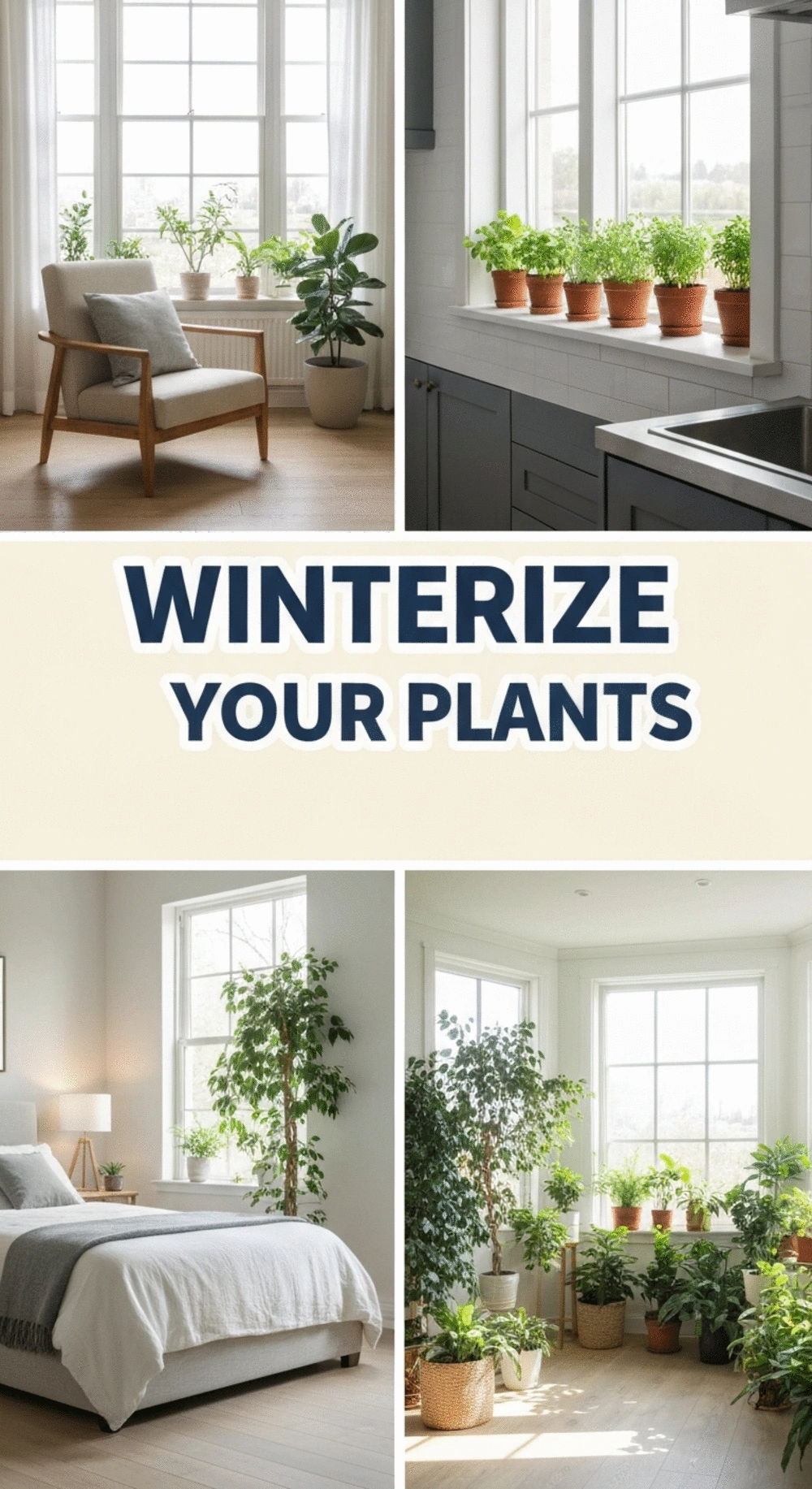
As winter approaches, many of us may not realize the unique challenges our indoor plants face. Did you know that cold drafts and reduced light can significantly impact their health? Understanding how to care for your greens during this chilly season is essential for keeping your indoor oasis thriving. Let’s explore some key insights!
As an Amazon Associate I earn from qualifying purchases. Affiliate links may earn me a commission at no extra cost to you.
What You Will Learn
- Recognize symptoms of stress in indoor plants, such as yellowing leaves and leaf drop.
- Understand the impact of cold temperatures on plant growth and how to create a warmer environment.
- Adjust watering habits during winter to prevent overwatering and underwatering, which can harm plant health.
- Develop a personalized watering schedule based on the specific needs of different plants.
Understanding Winter Challenges for Indoor Plants
As the winter months roll in, our beloved indoor plants face unique challenges that can impact their health and vibrancy. It's essential to recognize these winter challenges to ensure that your greens continue to thrive. From cold drafts to decreased light, each of these factors can influence your plant's well-being, so let's dive into the common issues that arise during this chilly season!
Identifying Common Issues During Winter Months
When the temperature drops, many indoor plants may exhibit symptoms of stress, and understanding these signs is crucial. Here are some common issues to look out for:
- Yellowing Leaves: Often a sign of overwatering or inadequate light.
- Leaf Drop: This may occur due to sudden temperature changes or stress from dry indoor air.
- Stunted Growth: Reduced light and cooler temperatures can halt your plants' growth.
By observing these symptoms, you can take proactive steps to adjust your care routine. After all, we want to keep our indoor oasis feeling cozy, even in the winter months!
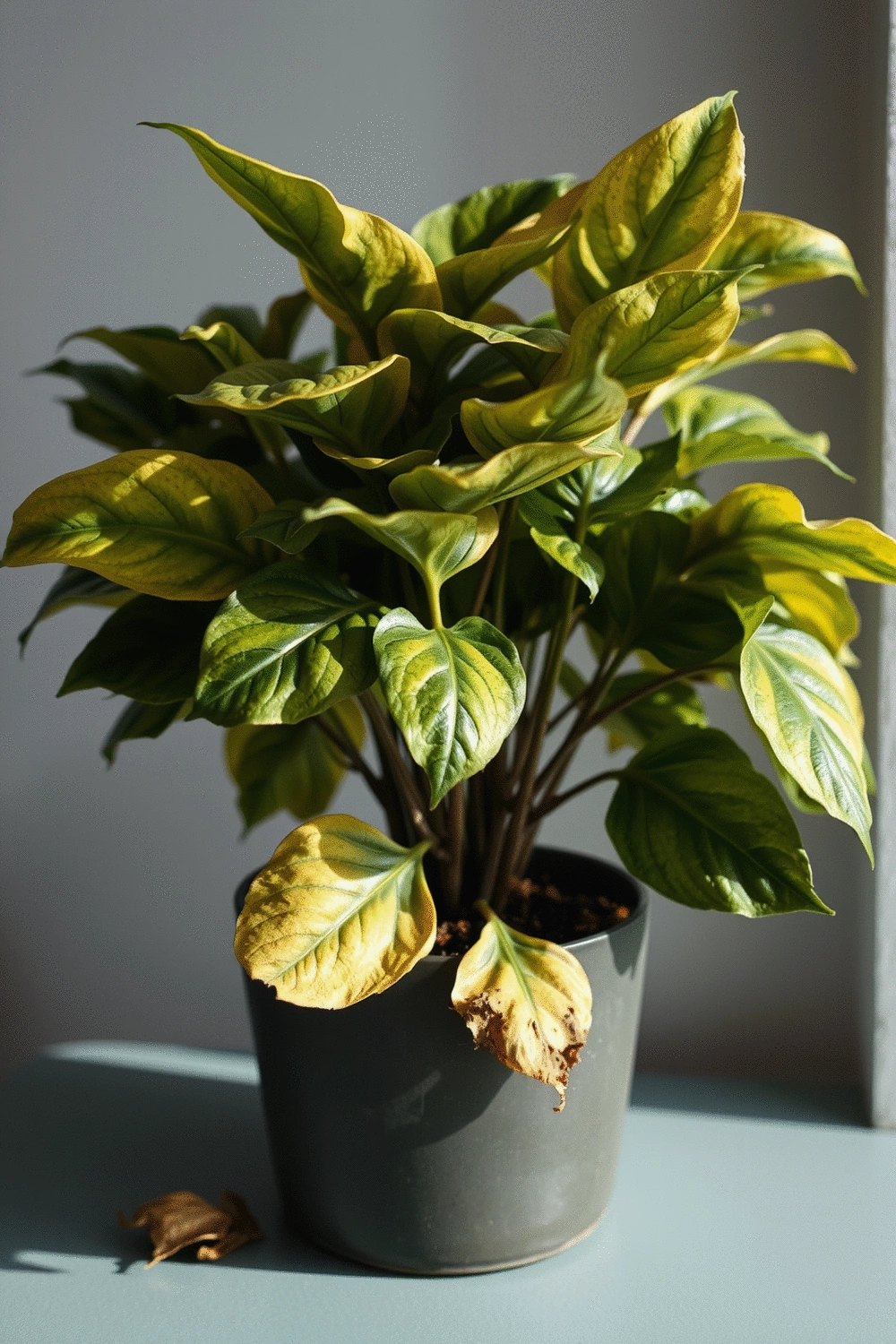
How Cold Temperatures Impact Indoor Plant Growth
Cold air can drastically affect your plants, especially if they are near drafty windows or poorly insulated areas. Many plants prefer temperatures between 60-75°F (15-24°C). Anything below this can slow down their metabolic processes, leading to reduced growth and overall health.
- Keep plants away from cold drafts.
- Monitor thermal conditions in your space.
- Use space heaters or heating mats if necessary.
Understanding how cold impacts your indoor plants can help you create a warm, welcoming environment that promotes growth and vitality. Trust me; your plants will thank you for the extra attention!
Understanding Dormancy and Its Effects on Plant Health
During winter, many indoor plants enter a state of dormancy, which is a natural part of their lifecycle. This process can be confusing for plant enthusiasts like us! Dormancy allows plants to conserve energy and resources, making it essential to adjust care accordingly.
- Reduced Watering: Dormant plants require less water, so be cautious not to overwater.
- Lower Light Needs: Some plants may not need as much light during this time, so reassess their positioning.
- Minimal Fertilization: Cut back on fertilizer applications until spring.
By recognizing these dormancy signs and adjusting our care strategies, we can maintain our plants' health and set the stage for a flourishing spring! If you're curious about how to style your living space with seasonal decor, check out my post on seasonal plant decor ideas that could add a lovely touch of warmth during winter.
Adjusting Watering Habits for Healthier Indoor Plants
As winter settles in, it’s crucial to rethink our watering habits for indoor plants. The cold season brings unique challenges that can affect how much moisture our green friends need. Adjusting our approach not only helps keep our plants healthy but also enhances their resilience against winter stress.
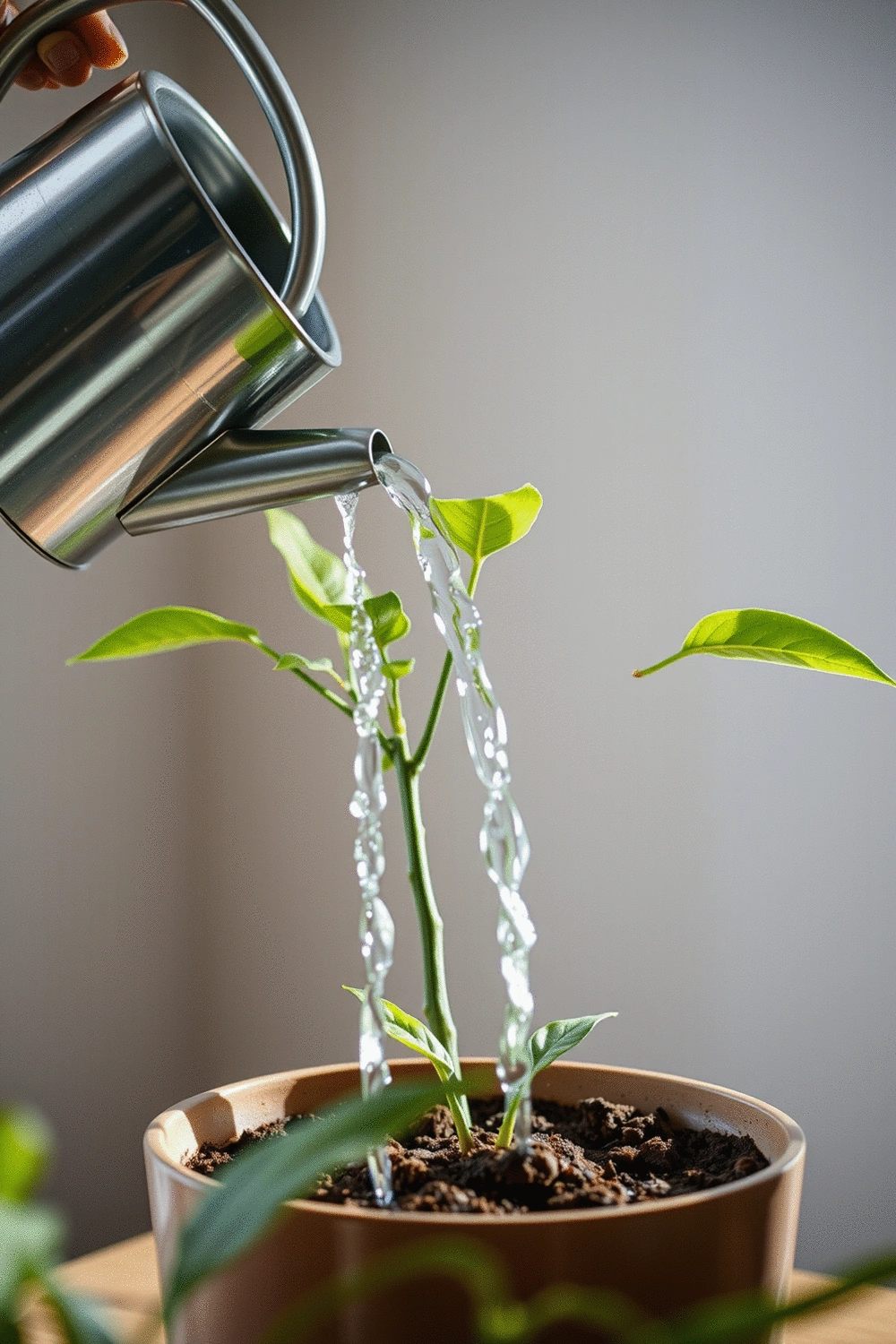
One of the first steps in this adjustment is to recognize the signs of overwatering and underwatering. Each plant has its own moisture preferences, and understanding these can make a world of difference! For instance, if you notice yellowing leaves or soggy soil, your plant might be getting too much water. Conversely, if the leaves are drooping or crispy at the edges, it may be thirsty.
Recognizing Signs of Overwatering and Underwatering
- Overwatering: Yellow leaves, moldy soil, and roots that appear dark and mushy.
- Underwatering: Wilting, crispy leaf edges, and soil that pulls away from the pot.
- General Signs: Plants that aren't growing actively may also indicate watering issues.
Once you've identified the signs, adjusting your watering routine becomes more straightforward. Remember, during winter, many plants enter a period of dormancy, which means their water uptake decreases. Monitoring soil moisture levels is essential to maintain a healthy balance.
Best Practices for Watering Indoor Plants in Winter
- Check Soil Moisture: Use your finger to test the top inch of soil. If it feels dry, it’s time to water!
- Water Thoroughly: When you do water, make sure to soak the soil until water drains from the bottom.
- Water Less Frequently: Cut back on your watering schedule to accommodate slower growth.
By following these best practices, you'll ensure that your indoor plants thrive despite the winter chill. It's a simple yet effective way to keep your home’s cozy vibe intact, filled with vibrant greens that uplift your spirit!
Developing an Effective Watering Schedule Based on Plant Needs
Creating a watering schedule can be a game changer for maintaining healthy indoor plants. Not every plant requires the same amount of water, so developing a personalized approach is key. For example, succulents and cacti need less water than a peace lily or pothos.
- Group Plants by Watering Needs: Place similar plants together to streamline your routine.
- Use a Calendar or App: Set reminders to check on your plants weekly.
- Adjust Seasonally: Keep in mind that watering needs will change as the seasons shift.
By taking the time to understand your plants’ specific needs, you can foster an environment where they can flourish. For more tips on maintaining healthy greenery, don’t forget to check out our post on plant care basics!
Frequently Asked Questions About Winter Plant Care
Here are some common questions about caring for indoor plants during the winter:
- What are the main challenges indoor plants face in winter?
Indoor plants face challenges such as cold drafts, reduced light, and dry indoor air, which can lead to stress and affect their overall health. - How can I tell if my plant is stressed in winter?
Common signs of stress include yellowing leaves, leaf drop, and stunted growth. These symptoms often indicate issues like overwatering, inadequate light, or sudden temperature changes. - What is plant dormancy, and how does it affect winter care?
Dormancy is a natural period when plants conserve energy and resources due to less light and cooler temperatures. During this time, plants require less water, minimal fertilization, and may not need as much light. - How should I adjust my watering routine for winter?
You should check soil moisture regularly, watering only when the top inch of soil feels dry. When you do water, do so thoroughly until water drains from the bottom, but reduce the frequency compared to warmer months. - How can I protect my plants from cold drafts?
Keep plants away from drafty windows and poorly insulated areas. You can also monitor your home's thermal conditions and use space heaters or heating mats if necessary to maintain a temperature between 60-75°F (15-24°C).
Recap of Key Points
- Identify Winter Issues: Look out for yellowing leaves, leaf drop, and stunted growth as signs of winter stress.
- Cold Temperatures: Keep plants away from drafts and monitor indoor temperatures to maintain optimal growth conditions.
- Dormancy Awareness: Adjust watering and light exposure as many plants enter dormancy in winter, requiring less care.
- Watering Adjustments: Check soil moisture regularly, water thoroughly, and reduce frequency to accommodate slower growth.
- Personalized Watering Schedule: Group plants by watering needs and use tools to track their care effectively.
Understanding these winter plant care tips can help your indoor oasis thrive all year round. For more detailed insights on creating inviting spaces, explore how to create an inviting living room for guests. Additionally, discover how to use aromatherapy and plants for better sleep in your bedroom.

Lila Greenfield
As a passionate plant enthusiast and interior design advocate, I founded Plants Cozy Space Vibes to share my deep love for greenery and an eye for aesthetics. My journey began by transforming my own home with plants, discovering their power to create inviting spaces. Now, I'm dedicated to helping you discover the joy of indoor gardening, providing expert insights on plant care, styling, and creative displays that enhance well-being and tranquility. Let's cultivate a lush, inviting sanctuary together!
Popular Posts
Genius Indoor Plant Ideas for Every Room
![Genius Indoor Plant Ideas for Every Room]() Bringing indoor plants into your home can elevate your space and improve air quality. With j
Bringing indoor plants into your home can elevate your space and improve air quality. With j
 Bringing indoor plants into your home can elevate your space and improve air quality. With j
Warm Entryway Plant Ideas for a Cozy Home
![Warm Entryway Plant Ideas for a Cozy Home]() Your entryway is the first impression guests have of your home, and a bland space can feel u
Your entryway is the first impression guests have of your home, and a bland space can feel u
 Your entryway is the first impression guests have of your home, and a bland space can feel u
Beautiful Indoor Plant Wall Art for Home Decor
![Beautiful Indoor Plant Wall Art for Home Decor]() Infusing your home decor with greenery is a powerful way to create an inviting and calming a
Infusing your home decor with greenery is a powerful way to create an inviting and calming a
 Infusing your home decor with greenery is a powerful way to create an inviting and calming a
Minimal Botanical Print Ideas for Indoor Plants
![Minimal Botanical Print Ideas for Indoor Plants]() Finding the right decor to complement your indoor plants can be a challenge. Botanical art p
Finding the right decor to complement your indoor plants can be a challenge. Botanical art p
 Finding the right decor to complement your indoor plants can be a challenge. Botanical art p
