Designing a Vertical Garden Wall for Eco-Friendly Spaces

Have you ever thought about how a vertical garden could completely transform your living space? These stunning installations not only add aesthetic value but also provide numerous functional benefits that promote well-being and enhance the environment around you.
As an Amazon Associate I earn from qualifying purchases. Affiliate links may earn me a commission at no extra cost to you.
What You Will Learn
- Vertical garden walls maximize limited space, making them ideal for apartments and smaller homes.
- Incorporating plants indoors can significantly improve air quality by filtering pollutants and releasing oxygen.
- These living walls contribute to environmental health by absorbing CO2 and reducing urban heat effects.
- Biophilic design principles highlight the connection between nature and living spaces, enhancing well-being.
- Assessing natural light and environmental conditions is crucial for planning a successful vertical garden.
- Setting clear aesthetic and functional goals is essential for designing an effective vertical garden layout.
- Layering plants of varying heights and textures can create depth and visual interest in your garden design.
Understanding Vertical Garden Walls and Their Benefits
Have you ever considered how a vertical garden wall could transform your space? Not only do these lush installations create stunning visual appeal, but they also provide numerous functional advantages. Think about maximizing your available space—wall gardens are perfect for apartments or smaller homes where floor space is limited. Plus, they can significantly improve your indoor air quality by filtering out pollutants and releasing oxygen.
When you incorporate a vertical garden, you're not just adding plants; you're inviting nature indoors! This little touch can elevate your home’s aesthetic while promoting well-being. It's like having a personal slice of nature that breathes life into your space.
Why Choose a Vertical Garden Design?
Choosing a vertical garden design offers a multitude of benefits, especially for those looking to make a statement with their indoor plants. Here are some key reasons:
- Space Efficiency: Vertical gardens utilize wall space, allowing you to grow more plants without taking up valuable floor space.
- Aesthetic Appeal: They serve as stunning focal points that can enhance the overall decor of your home.
- Improved Air Quality: Plants can help purify the air in your home, contributing to a healthier living environment.
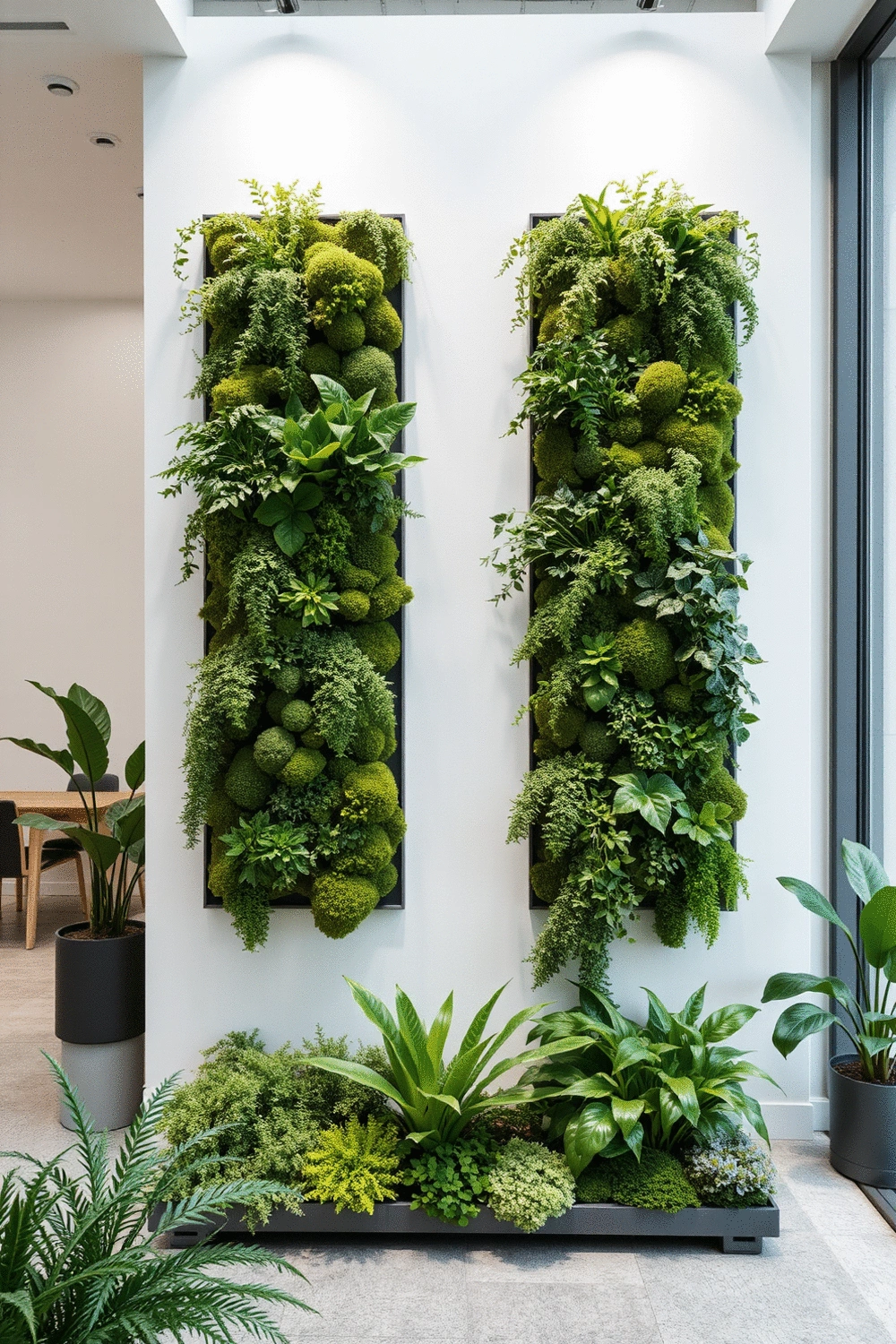
As I fondly recall my own journey with vertical gardens, I remember how the vibrant greens drew attention and sparked conversations. It’s not just about the plants; it's about creating an inviting atmosphere that makes everyone feel at home!
The Environmental Impact of Living Walls
Vertical gardens are not only beneficial for your home; they play a significant role in environmental health. These living walls contribute to carbon sequestration, helping to absorb CO2 from the atmosphere. Studies have shown that urban areas with more greenery, including vertical gardens, see a reduction in pollution levels. By incorporating a vertical garden, you're actively participating in the fight against climate change!
Additionally, they help mitigate the urban heat island effect, lowering temperatures and improving microclimates in densely populated areas. It’s a win-win situation where you beautify your space while supporting the environment.
Exploring Biophilic Design in Vertical Gardens
Biophilic design emphasizes our innate connection to nature. Vertical gardens are a perfect embodiment of this principle, as they bridge the gap between indoor and outdoor environments. By bringing greenery into your living space, you can enhance your well-being and reduce stress.
Consider how a vertical garden can serve as a natural air purifier, reduce noise levels, and even improve your mood. It’s fascinating how simple plants can uplift our spirits and promote tranquility in our homes. If you're curious about how to integrate more biophilic elements into your living space, check out my post on inspiring ideas for biophilic design.
Planning Your Vertical Garden Wall
Planning a vertical garden wall can feel overwhelming, but with a little guidance, it can be an enjoyable process! First, let’s assess your space and find the perfect spot for your green masterpiece. Are you ready to turn that bare wall into a vibrant oasis? I promise it will be worth it!
Assessing Your Space and Choosing the Right Location
The first step in planning your vertical garden is to evaluate the light exposure in your chosen area. Different plants have varying light needs, which will dictate what you can successfully grow. Here are some key factors to consider:
- Natural Light: Observe how much sunlight your wall receives throughout the day. Is it bright and sunny, or more shaded?
- Accessibility: Make sure you can easily reach your plants for watering and maintenance. A garden should be a joyful experience!
- Environmental Conditions: Consider factors like wind exposure and temperature fluctuations that might affect your plants.
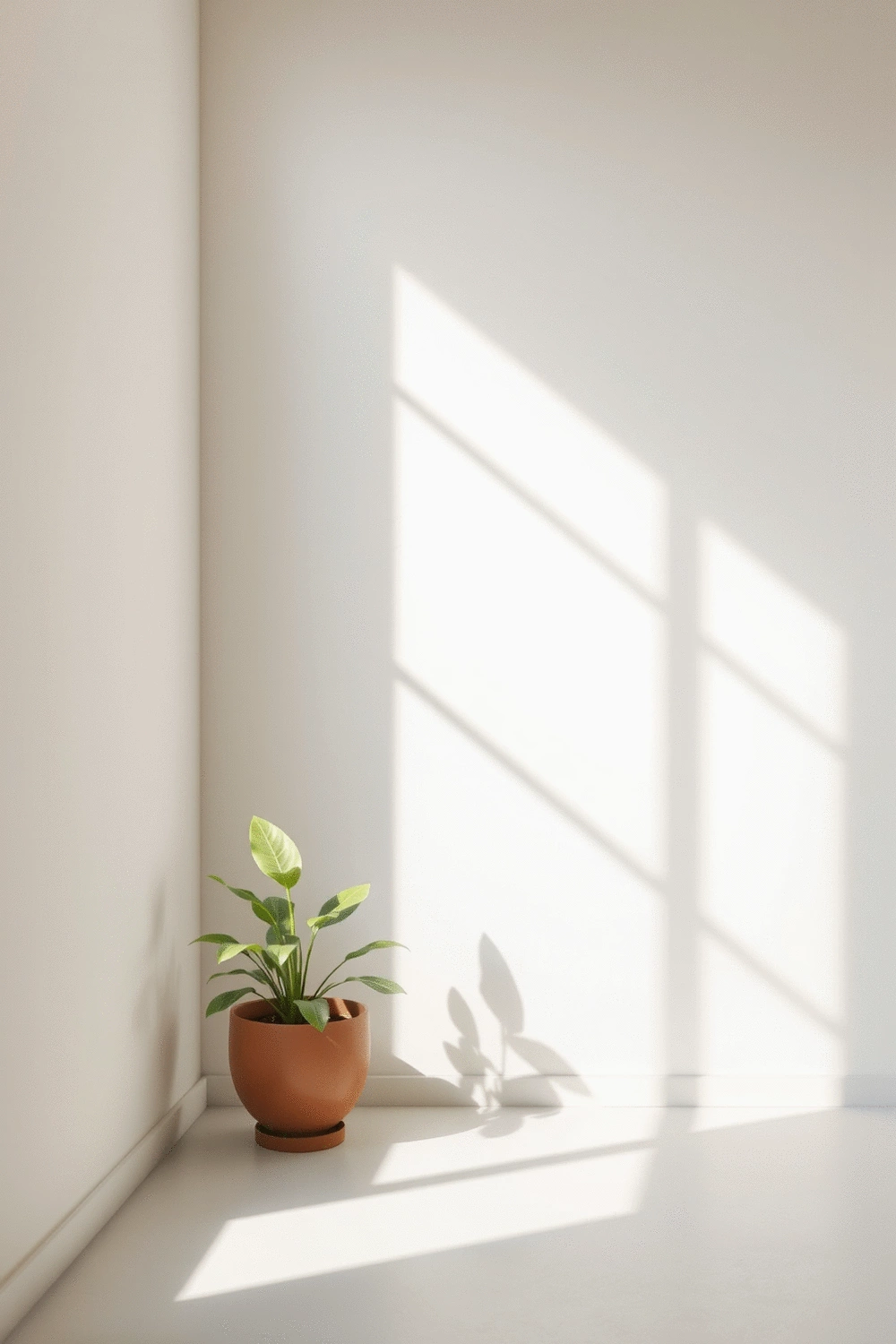
By taking these factors into account, you'll set the stage for a thriving vertical garden! Remember, the right location can make all the difference in your plants’ health.
Setting Clear Goals and Expectations
Next, let’s talk about your vision for the vertical garden. What do you hope to achieve? Setting clear goals will help guide your decisions on plant selection, layout, and more. Here are a few questions to ask yourself:
- What aesthetic are you aiming for—lush and tropical, minimalist, or a mix of both?
- Do you want to incorporate edible plants or air-purifying varieties to enhance functionality?
- How much time can you commit to maintenance? Some plants are easier than others!
By understanding your goals, you’ll create a beautiful space that fits your lifestyle and tastes. Keep in mind that every choice contributes to the overall ambiance of your home.
Designing a Garden Layout for Vertical Space Utilization
Now, let’s dive into the design aspect of your vertical garden! Optimizing your vertical space is crucial for creating a visually appealing garden that thrives. Here are some layout strategies to consider:
- Layering: Use varying heights and plant types to create depth. Taller plants can act as a backdrop for trailing varieties.
- Grouping: Cluster plants with similar light and water needs together for ease of care. This will help you maintain a healthy garden!
- Texture and Color: Mix different textures and colors to add visual interest. Think about how your selections will complement your overall decor.
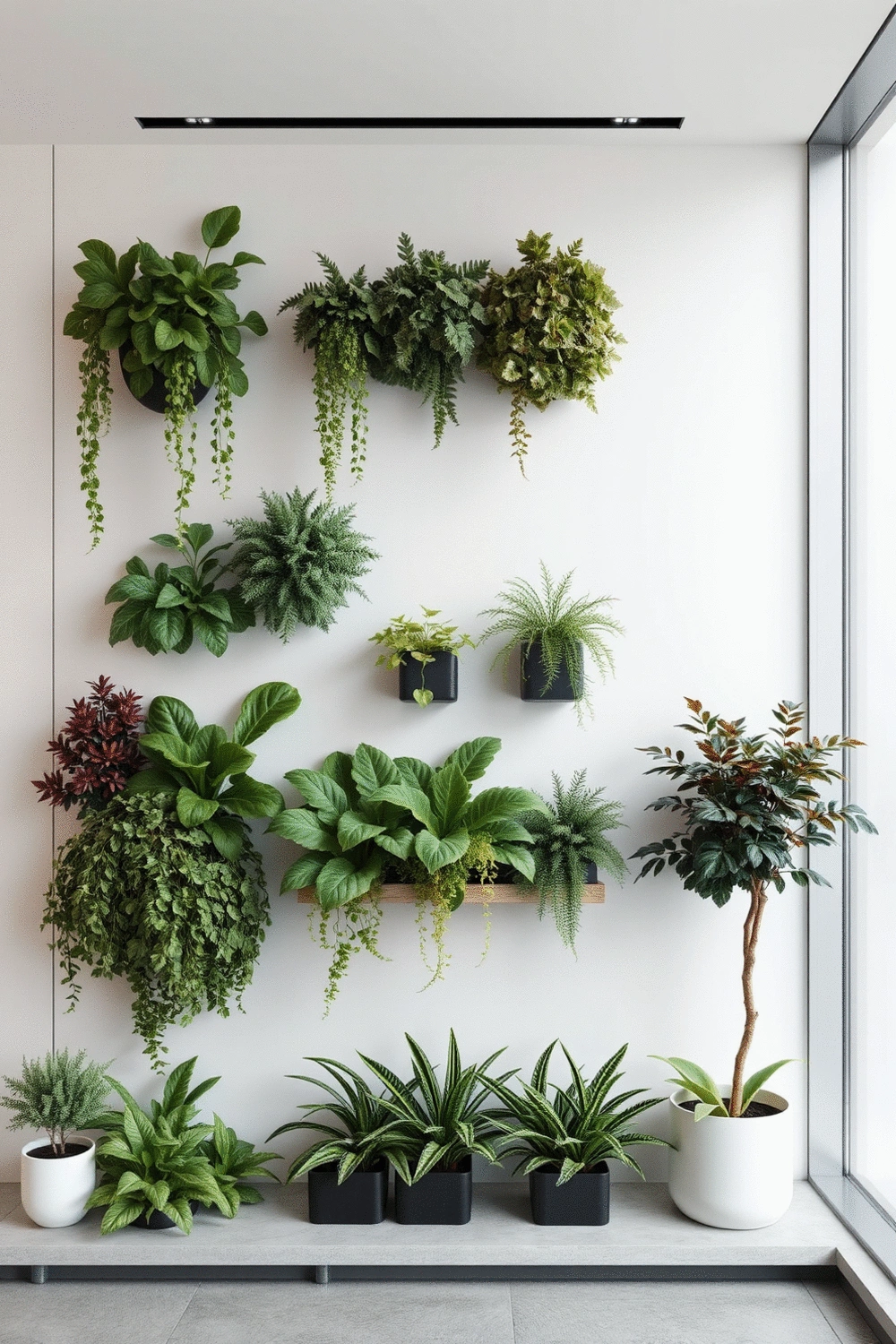
With these tips in mind, you’ll be well on your way to crafting a stunning vertical garden. If you’re curious about incorporating plants into your home decor, check out our post on top indoor plants that can elevate your space!
Recap of Key Points
Here is a quick recap of the important points discussed in the article:
- Space Efficiency: Vertical gardens maximize wall space, allowing for more plants without occupying floor area.
- Aesthetic Appeal: They serve as stunning focal points, enhancing the decor of your home.
- Improved Air Quality: Vertical gardens help purify indoor air, contributing to a healthier living environment.
- Environmental Benefits: Living walls play a role in carbon sequestration and reducing urban heat island effects.
- Biophilic Design: Incorporating vertical gardens promotes well-being and reduces stress by connecting indoor spaces with nature.
- Planning Tips: Assess light exposure, accessibility, and environmental conditions for optimal plant health.
- Design Strategies: Use layering, grouping, and a mix of textures and colors to create a visually appealing layout.
Frequently Asked Questions About Vertical Gardens
- Q: What are the main benefits of having a vertical garden?
- A: Vertical gardens offer numerous benefits, including maximizing limited space, improving indoor air quality by filtering pollutants, enhancing aesthetic appeal, and contributing to environmental health by absorbing CO2 and reducing urban heat effects.
- Q: How do vertical gardens improve air quality?
- A: Plants in vertical gardens actively filter pollutants from the air and release oxygen, creating a healthier indoor environment.
- Q: Can vertical gardens really help the environment?
- A: Yes, vertical gardens contribute to environmental health by aiding in carbon sequestration (absorbing CO2) and mitigating the urban heat island effect, which helps lower temperatures in densely populated areas.
- Q: What is biophilic design, and how do vertical gardens relate to it?
- A: Biophilic design emphasizes the innate human connection to nature. Vertical gardens embody this principle by bringing greenery indoors, which can enhance well-being, reduce stress, purify air, and even reduce noise levels.
- Q: What should I consider when choosing a location for my vertical garden?
- A: Key factors include natural light exposure (sunny or shaded), accessibility for watering and maintenance, and environmental conditions like wind exposure and temperature fluctuations.
- Q: How can I design an effective layout for my vertical garden?
- A: Strategies include layering plants of varying heights and types for depth, grouping plants with similar light and water needs, and mixing different textures and colors to add visual interest.
To further enhance the ambiance of your home, consider how different elements like lighting can create a cozy atmosphere. Explore more ideas on inviting living room lighting for a truly tranquil space. Additionally, for tips on organizing other functional spaces, you might find valuable insights on utilizing vertical space in entryways, which can be applied to various areas of your home.

Lila Greenfield
As a passionate plant enthusiast and interior design advocate, I founded Plants Cozy Space Vibes to share my deep love for greenery and an eye for aesthetics. My journey began by transforming my own home with plants, discovering their power to create inviting spaces. Now, I'm dedicated to helping you discover the joy of indoor gardening, providing expert insights on plant care, styling, and creative displays that enhance well-being and tranquility. Let's cultivate a lush, inviting sanctuary together!
Popular Posts
Genius Indoor Plant Ideas for Every Room
![Genius Indoor Plant Ideas for Every Room]() Bringing indoor plants into your home can elevate your space and improve air quality. With j
Bringing indoor plants into your home can elevate your space and improve air quality. With j
 Bringing indoor plants into your home can elevate your space and improve air quality. With j
Warm Entryway Plant Ideas for a Cozy Home
![Warm Entryway Plant Ideas for a Cozy Home]() Your entryway is the first impression guests have of your home, and a bland space can feel u
Your entryway is the first impression guests have of your home, and a bland space can feel u
 Your entryway is the first impression guests have of your home, and a bland space can feel u
Beautiful Indoor Plant Wall Art for Home Decor
![Beautiful Indoor Plant Wall Art for Home Decor]() Infusing your home decor with greenery is a powerful way to create an inviting and calming a
Infusing your home decor with greenery is a powerful way to create an inviting and calming a
 Infusing your home decor with greenery is a powerful way to create an inviting and calming a
Minimal Botanical Print Ideas for Indoor Plants
![Minimal Botanical Print Ideas for Indoor Plants]() Finding the right decor to complement your indoor plants can be a challenge. Botanical art p
Finding the right decor to complement your indoor plants can be a challenge. Botanical art p
 Finding the right decor to complement your indoor plants can be a challenge. Botanical art p
