Plant Care Mistakes to Avoid for Greenery Health
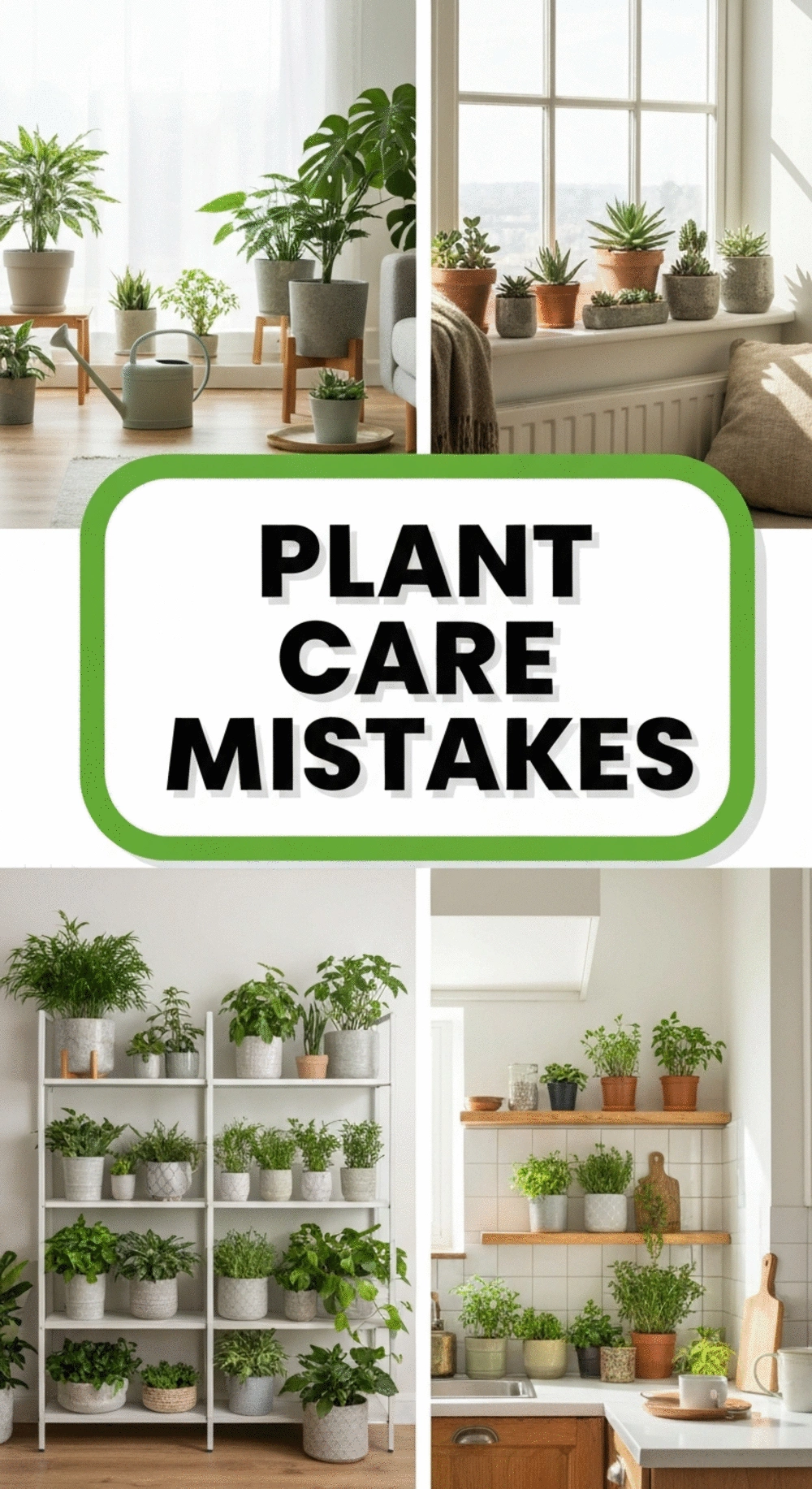
What if your beloved indoor plants could thrive effortlessly, bringing life and tranquility to your home? Embracing the right care techniques ensures your green friends flourish rather than fade. Let's explore essential insights that can transform your indoor gardening experience!
As an Amazon Associate I earn from qualifying purchases. Affiliate links may earn me a commission at no extra cost to you.
What You Will Learn
- Recognize the signs of overwatering and prevent root rot by ensuring proper drainage.
- Understand the importance of a consistent watering schedule to avoid underwatering and promote healthy growth.
- Tailor your potting choices to the unique drainage needs of different plant species for optimal root health.
- Navigate lighting conditions by assessing your home's natural light to position plants where they can thrive best.
Understanding Plant Care Mistakes for Thriving Indoor Greenery
When it comes to indoor gardening, understanding plant care mistakes is crucial for keeping our leafy friends healthy and happy! Many of us have experienced the heartache of watching a beloved plant struggle, often due to simple care errors. By avoiding these common pitfalls, we can create a thriving indoor environment where our plants can flourish. At Plants Cozy Space Vibes, I’m passionate about helping you cultivate a lush space that brings joy and tranquility to your home.
One of the key aspects of plant care is recognizing the importance of proper attention to detail. From watering techniques to light conditions, each factor plays a significant role in your plants’ overall well-being. By understanding and addressing common mistakes, you can transform your indoor garden into a vibrant sanctuary!
The Importance of Avoiding Common Plant Care Errors
We’ve all been there—overwatering, forgetting to fertilize, or misjudging light conditions. These mistakes can lead to unhappy plants and even plant loss. However, it doesn’t have to be that way! Here are a few common plant care errors to watch out for:
- Overwatering: A leading cause of plant distress, particularly root rot.
- Underwatering: Symptoms include wilting and discolored leaves that signal dehydration.
- Poor drainage: Essential for root health; stagnant water can cause serious issues.
By being mindful of these common pitfalls, you can maintain a beautiful collection of indoor plants that thrive! For more detailed insights, check out my post on plant care basics to learn more about how to nurture your indoor garden effectively.
Identifying Major Plant Care Mistakes
Avoiding Overwatering: Recognizing the Signs of Root Rot
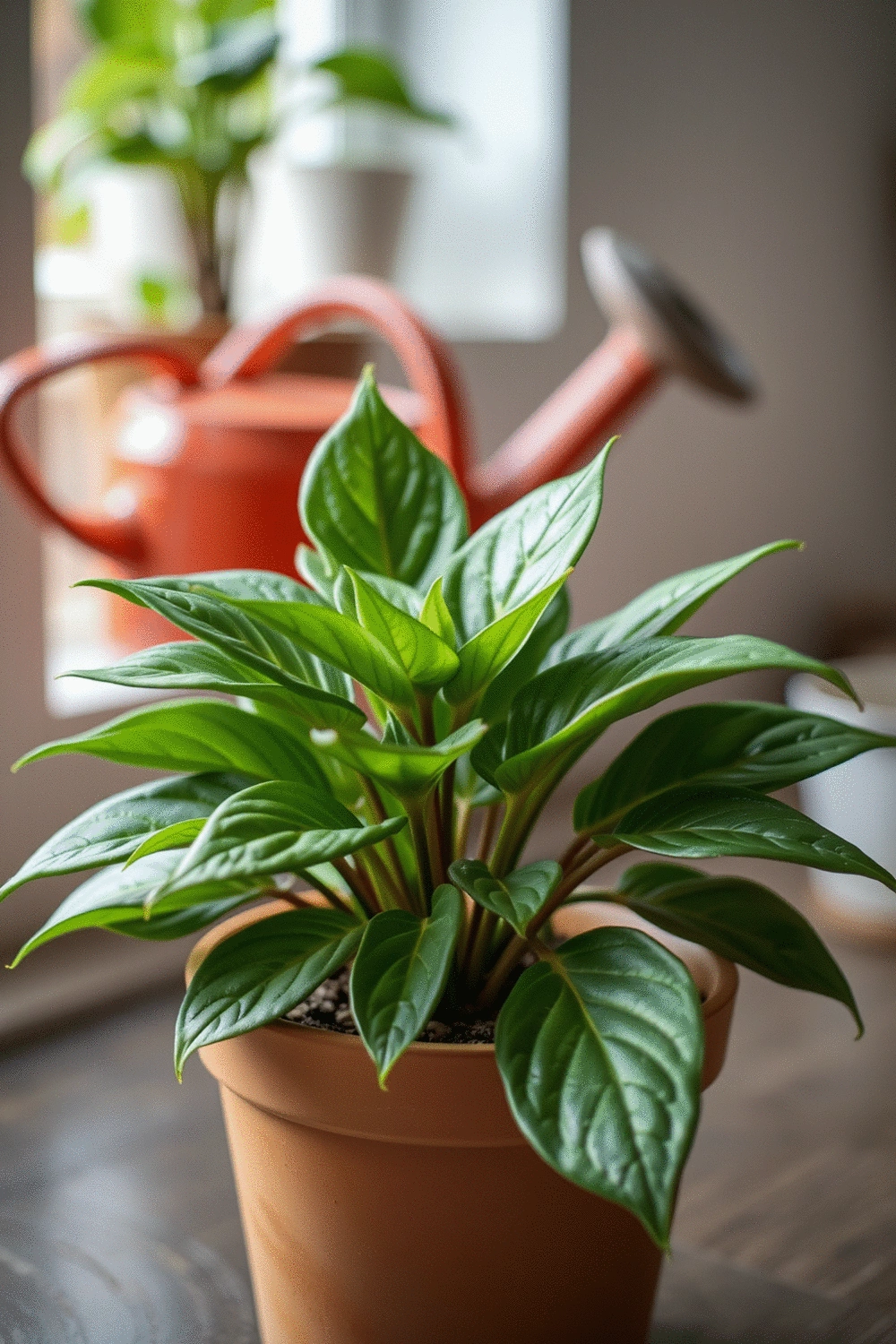
Overwatering is one of the most common issues that indoor plant owners face. It happens when we love our plants a little too much! Signs of root rot include yellowing leaves, mushy stems, and a generally lackluster appearance. To prevent overwatering, it's crucial to know your plant's watering needs. Here are some tips to keep in mind:
- Check the top inch of soil before watering; if it’s dry, it’s time to water!
- Ensure your pots have drainage holes to help excess water escape.
- Consider using a moisture meter for accurate readings.
Implementing these techniques can help you achieve a happy, thriving plant. If you're looking for more tips on creating the perfect plant display, take a look at my article on creating stunning plant shelves!
Avoiding Overwatering: Recognizing the Signs of Root Rot
Overwatering is a common mistake that many plant lovers, including myself, have made. It can lead to root rot, a serious condition where plant roots are deprived of oxygen, causing them to decay. To prevent this, it's crucial to understand your plant's watering needs. Some signs of overwatering include yellowing leaves, wilting, and a foul odor coming from the soil.
To keep your plants healthy, here are some practical strategies for proper watering:
- Check the top inch of soil for moisture before watering.
- Use pots with drainage holes to allow excess water to escape.
- Consider the season and your plant's growth stage—during dormancy, they may require less water.
By being mindful of these details, you can help your plants thrive and avoid the heartbreak of losing a beloved green friend. For more ideas on how to incorporate plants into a cozy living space, discover simple decor touches that instantly make your living room more inviting.
Understanding Underwatering: How to Keep Plants Hydrated
While overwatering is a common issue, underwatering can be just as detrimental. Signs of underwatering include crispy leaf edges and a droopy appearance. This stresses the plant and can stunt its growth. To keep your plants hydrated, it's vital to establish a consistent watering routine.
Here are some tips to maintain optimal moisture levels:
- Choose a watering schedule that aligns with your plant’s needs and environmental conditions.
- Utilize self-watering pots to help maintain moisture during busy weeks.
- Observe your plant’s response and adjust accordingly—some plants prefer drying out between waterings.
Staying attentive to your plant’s hydration can lead to flourishing greenery and a more vibrant home environment.
Ensuring Proper Drainage: The Key to Healthy Roots
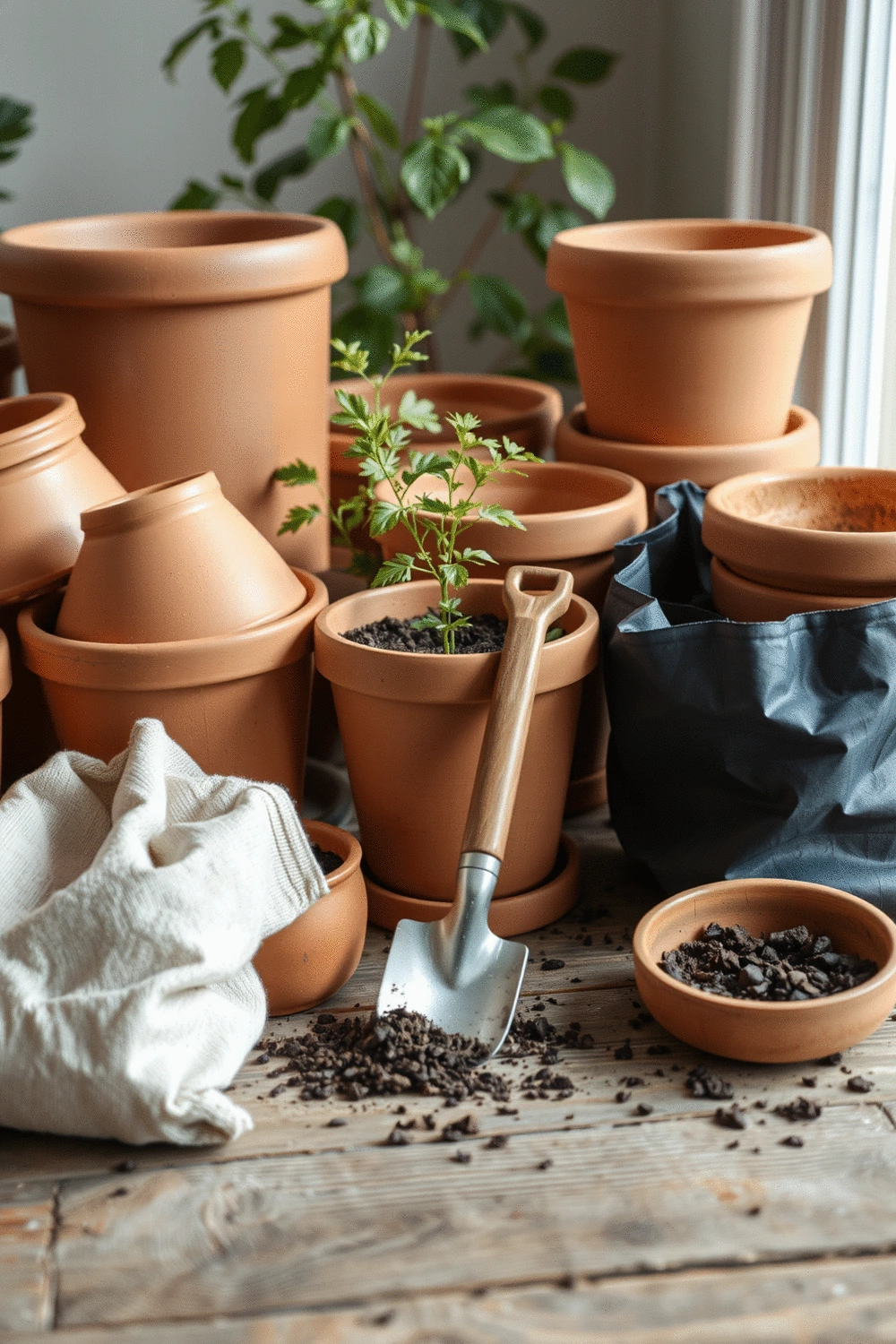
Proper drainage is essential for the health of your indoor plants. Without it, even the best watering practices can lead to root rot. Different plants have different drainage needs, so it’s important to tailor your potting choices accordingly.
Here are some methods to improve pot drainage:
- Choose pots made from breathable materials like terracotta, which help moisture evaporate.
- Add a layer of gravel or pebbles at the bottom of your pots to enhance drainage.
- Regularly check that drainage holes are clear of soil or debris.
By ensuring your plants have the right drainage, you allow their roots to breathe and grow strong, ultimately leading to a thriving indoor garden.
Lighting Conditions for Healthy Indoor Plants
Navigating Direct Sunlight and Shade Requirements
Lighting conditions can make or break your indoor gardening success. Each plant has unique light requirements, and understanding these can help you position them for optimal growth. For instance, some plants, like succulents, thrive in direct sunlight, while others, like ferns, prefer indirect light.
To effectively navigate light conditions, consider these strategies:
- Observe how natural light moves through your home throughout the day.
- Test different spots with a few plants to see where they flourish.
- Use sheer curtains to diffuse harsh sunlight for sensitive plants.
By carefully selecting the right spot for each plant, you can create a welcoming environment that fosters healthy growth.
Choosing the Right Spot for Your Houseplants
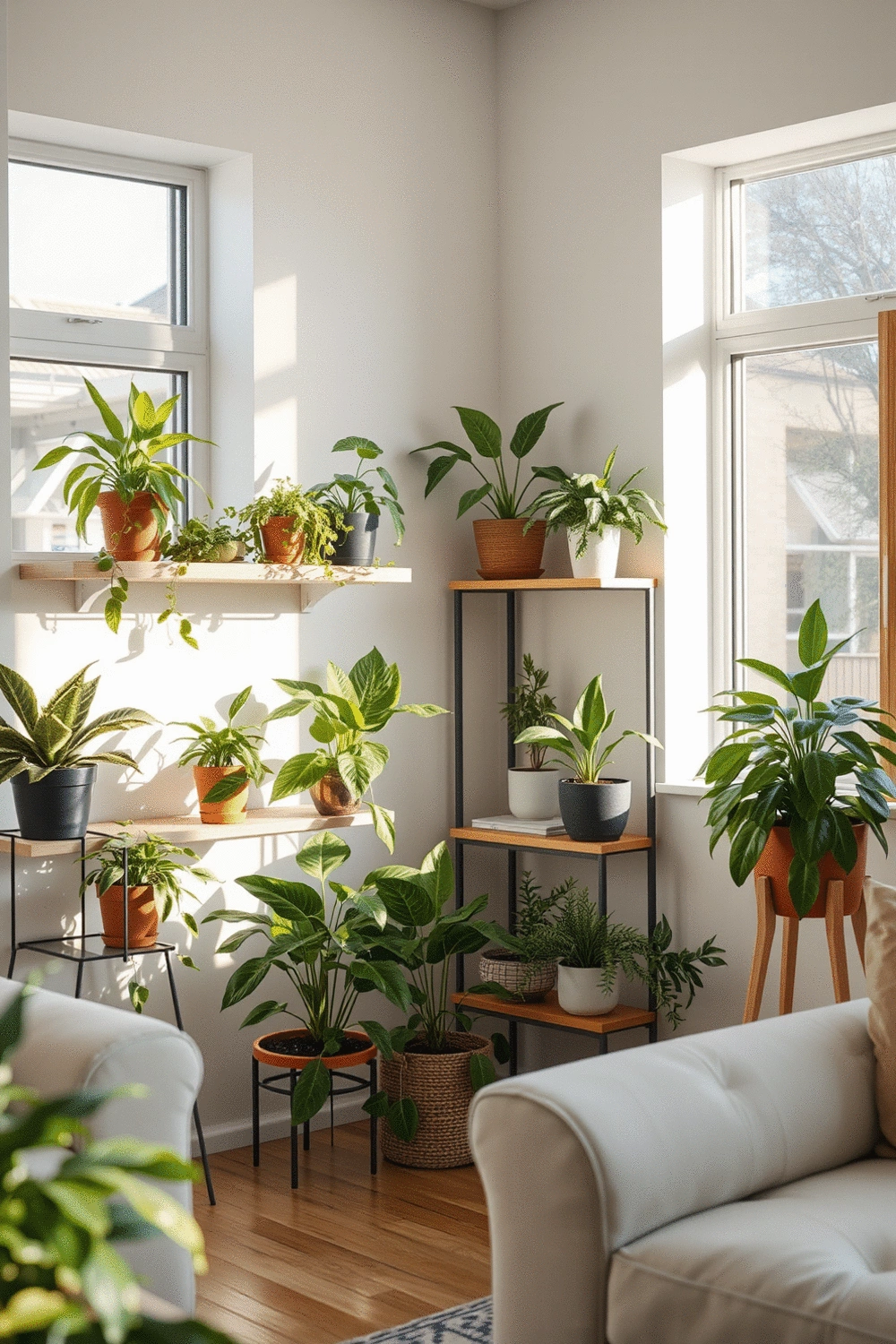
Finding the right spot for your houseplants involves assessing light levels in various areas of your home. Consider the following tips:
- Use a light meter app on your phone to measure light intensity in different rooms.
- Position plants near windows but be mindful of direct sun exposure that may scorch their leaves.
- Rotate plants every few weeks to ensure even growth and prevent leaning.
By dedicating time to evaluate light conditions, you’ll ensure your indoor space is brimming with thriving greenery! For tips on creating a peaceful sleep space, explore 10 essential tips to create a peaceful sleep space.
Understanding Light Exposure and Its Impact on Plant Health
Incorrect lighting can lead to serious issues, such as sunburned leaves or stunted growth. For example, plants like the rubber plant need bright, indirect light, while snake plants can adapt to low light. Each species has its preferences, so understanding these requirements is crucial.
To ensure your plants receive the right exposure, consider these factors:
- Adjust your plants' positions with the changing seasons; sunlight intensity varies.
- Be cautious of artificial lights; not all are effective for plant growth.
- Keep an eye out for changes in leaf color and growth patterns as indicators of light needs.
By paying attention to light exposure and making necessary adjustments, you can cultivate a lush and vibrant indoor garden that not only beautifies your space but also brings tranquility and joy.
Frequently Asked Questions About Indoor Plant Care
- How can I tell if I'm overwatering my plants?
Signs of overwatering include yellowing leaves, mushy stems, wilting, and a foul odor from the soil. The best way to check is to feel the top inch of soil; if it's still wet, delay watering.
- What are the common signs of an underwatered plant?
Underwatered plants often show crispy leaf edges, droopy foliage, and stunted growth. The soil will also feel very dry to the touch.
- Why is drainage so important for indoor plants?
Proper drainage prevents root rot by allowing excess water to escape, ensuring roots receive adequate oxygen. Stagnant water can suffocate roots and lead to decay.
- How do I know how much light my plant needs?
Each plant species has unique light requirements. Observe your plant's growth and leaf color. Yellowing or scorched leaves might indicate too much direct light, while leggy growth and pale leaves suggest insufficient light. Using a light meter app can also help.
- Can I use any pot for my indoor plants?
It's best to use pots with drainage holes to prevent waterlogging. Terracotta pots are excellent for plants that prefer drier conditions, as they allow moisture to evaporate more readily than plastic or glazed ceramic pots.
Recap of Key Points
Here is a quick recap of the important points discussed in the article:
- Overwatering: Avoid overwatering by checking the top inch of soil before watering and ensuring pots have drainage holes to prevent root rot.
- Underwatering: Establish a consistent watering routine to prevent symptoms like crispy leaf edges and droopy plants.
- Proper Drainage: Use breathable pots and add gravel or pebbles at the bottom to enhance drainage and promote healthy roots.
- Lighting Conditions: Understand your plants' light requirements and position them accordingly to ensure optimal growth.
- Regular Monitoring: Keep an eye on your plants' responses to care practices and adjust your methods based on their needs for a thriving indoor garden.

Lila Greenfield
As a passionate plant enthusiast and interior design advocate, I founded Plants Cozy Space Vibes to share my deep love for greenery and an eye for aesthetics. My journey began by transforming my own home with plants, discovering their power to create inviting spaces. Now, I'm dedicated to helping you discover the joy of indoor gardening, providing expert insights on plant care, styling, and creative displays that enhance well-being and tranquility. Let's cultivate a lush, inviting sanctuary together!
Popular Posts
Genius Indoor Plant Ideas for Every Room
![Genius Indoor Plant Ideas for Every Room]() Bringing indoor plants into your home can elevate your space and improve air quality. With j
Bringing indoor plants into your home can elevate your space and improve air quality. With j
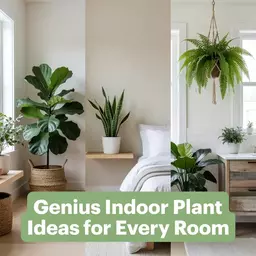 Bringing indoor plants into your home can elevate your space and improve air quality. With j
Warm Entryway Plant Ideas for a Cozy Home
![Warm Entryway Plant Ideas for a Cozy Home]() Your entryway is the first impression guests have of your home, and a bland space can feel u
Your entryway is the first impression guests have of your home, and a bland space can feel u
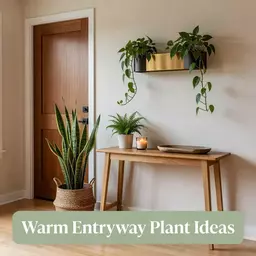 Your entryway is the first impression guests have of your home, and a bland space can feel u
Beautiful Indoor Plant Wall Art for Home Decor
![Beautiful Indoor Plant Wall Art for Home Decor]() Infusing your home decor with greenery is a powerful way to create an inviting and calming a
Infusing your home decor with greenery is a powerful way to create an inviting and calming a
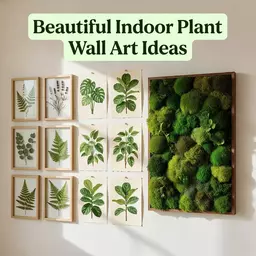 Infusing your home decor with greenery is a powerful way to create an inviting and calming a
Minimal Botanical Print Ideas for Indoor Plants
![Minimal Botanical Print Ideas for Indoor Plants]() Finding the right decor to complement your indoor plants can be a challenge. Botanical art p
Finding the right decor to complement your indoor plants can be a challenge. Botanical art p
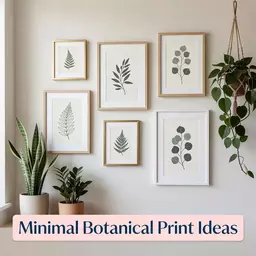 Finding the right decor to complement your indoor plants can be a challenge. Botanical art p
