Planter Material Trends for Stylish Gardening
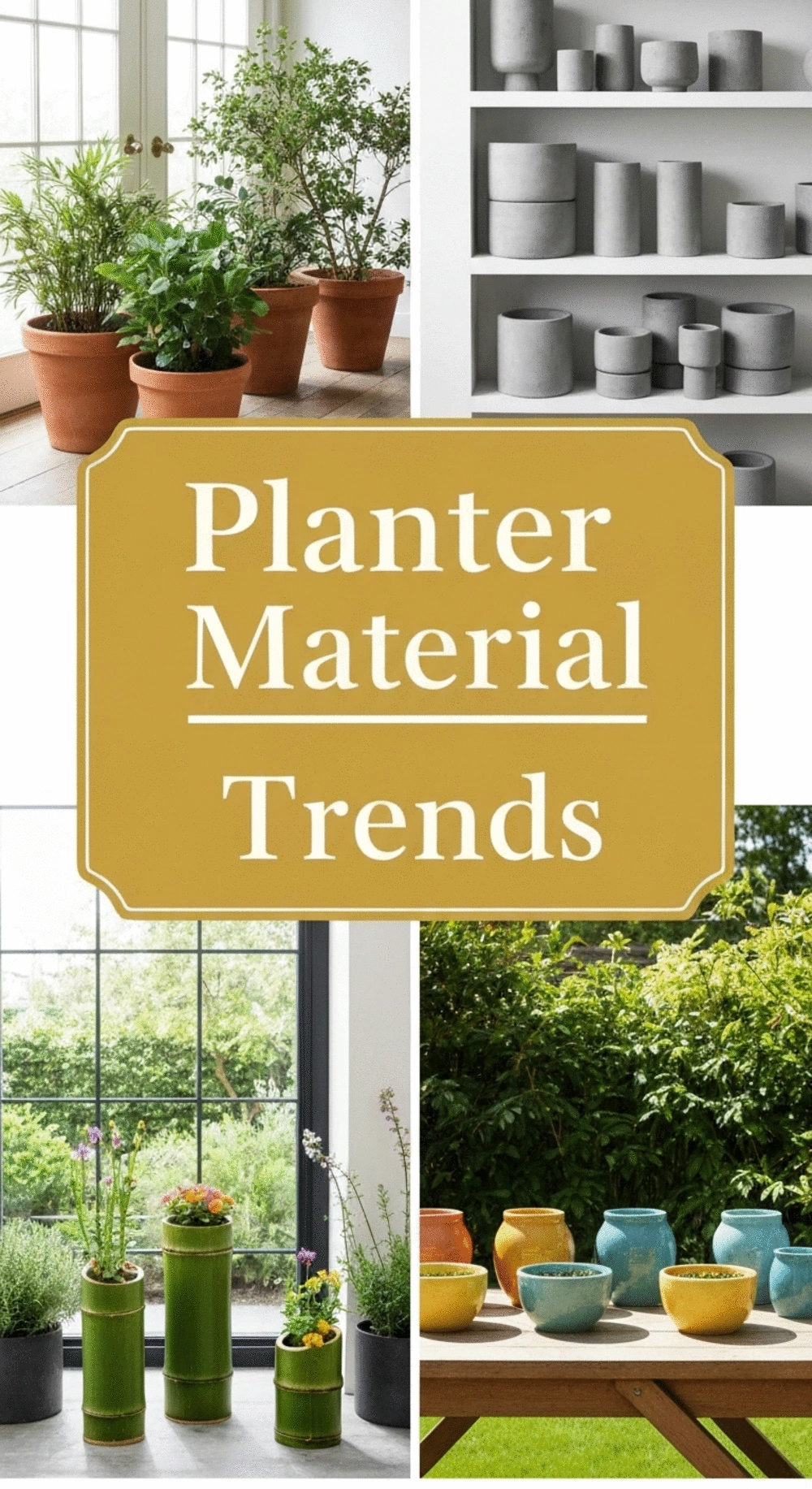
As we embrace a more sustainable lifestyle, the choices we make in our indoor gardening can have a profound impact on both our homes and the planet. Are you ready to transform your living space into an eco-friendly sanctuary?
As an Amazon Associate I earn from qualifying purchases. Affiliate links may earn me a commission at no extra cost to you.
What You Will Learn
- Eco-friendly planters are a lifestyle choice, focusing on sustainable materials like recycled or biodegradable options.
- Traditional materials such as clay and terracotta pots offer unique aesthetics and practical benefits for indoor gardening.
- Understanding the eco-impact of planter materials can help you make informed choices that benefit both your plants and the environment.
- Innovative trends, such as smart planters and biodegradable plastics, are shaping the future of eco-friendly gardening.
Understanding Planter Material Trends in Today's Eco-Conscious Market
In our journey to create cozy indoor spaces filled with greenery, it’s essential to understand the trends surrounding planter materials. As plant enthusiasts, we’re increasingly drawn to options that not only enhance our decor but are also eco-friendly. The rise of sustainable alternatives reflects our growing awareness of environmental impacts.
From charming terracotta pots to innovative biodegradable plastics, the variety of materials available can significantly affect both our plants and the planet. Let’s dive into the different trends shaping the world of planters today!
The Rise of Eco-Friendly Planters: Assessing Sustainable Alternatives
Eco-friendly planters are becoming more than just a trend; they’re a lifestyle choice! As consumers, we’re looking for ways to integrate sustainability into every aspect of our gardening. Here’s what you should know about eco-friendly planters:
- Materials: Look for planters made from recycled or biodegradable materials.
- Design: Choose aesthetically pleasing options that blend seamlessly with your home decor.
- Durability: Ensure the materials can withstand various indoor conditions while being kind to the earth.
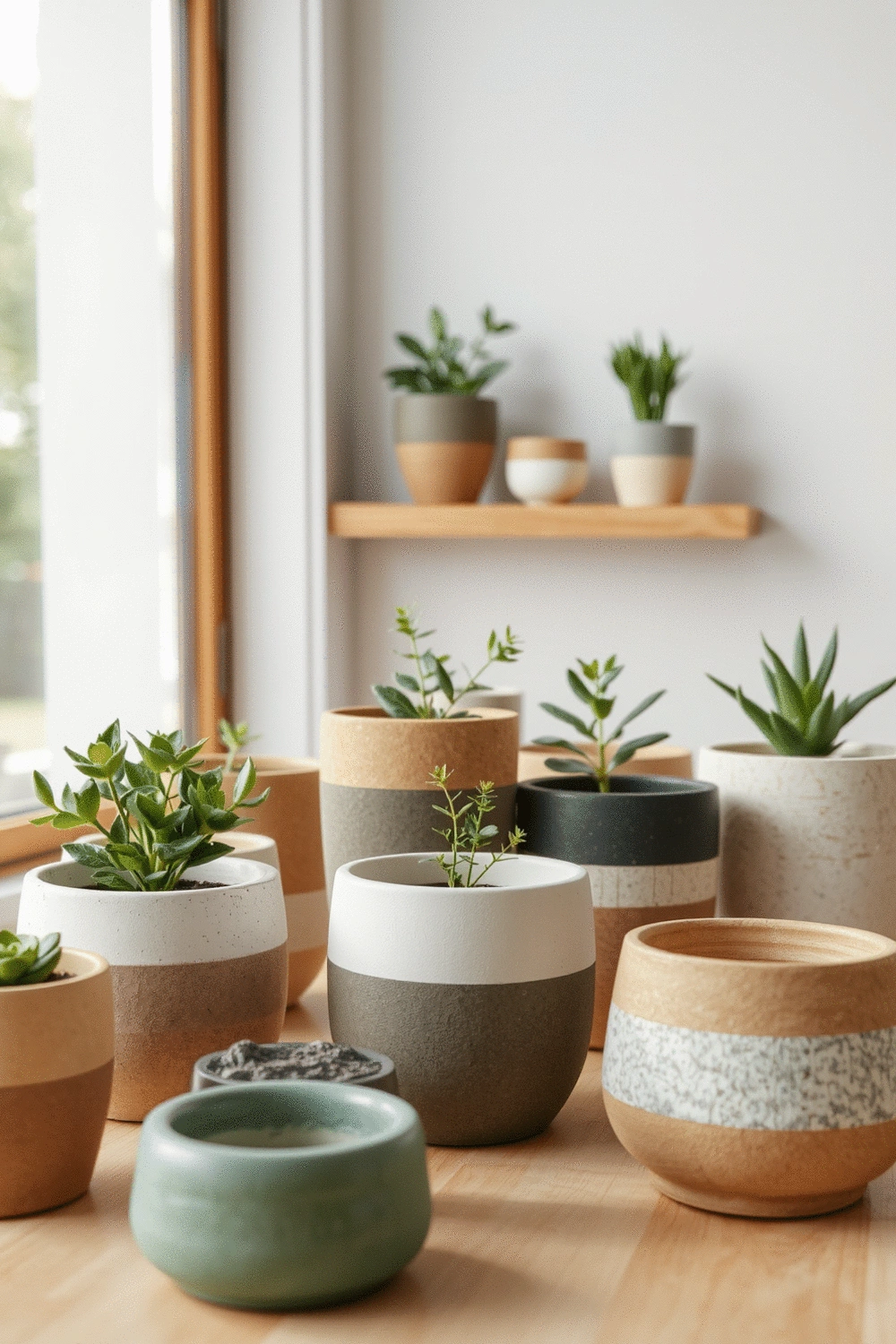
Understanding what makes a planter eco-friendly is crucial. It involves considering the materials used, their sourcing, and their end-of-life impacts. By choosing eco-friendly options, we not only beautify our homes but also contribute to a larger cause. If you want to create a more inviting living space, check out these 7 essential tips for an inviting living room.
What Makes a Planter Eco-Friendly?
An eco-friendly planter typically features materials that are sustainable, recycled, or biodegradable. For instance, recycled plastic planters prevent additional waste while maintaining durability. Biodegradable options break down over time, reducing landfill contributions. By opting for these materials, we’re participating in a cycle that benefits our plants and the Earth!
Exploring Recycled Plastics and Bio-Composites in Planter Design
Recycled plastics are gaining traction in the planter market! These materials help minimize waste and often come in various styles and colors. Bio-composites, on the other hand, combine natural fibers with plastics to create lightweight and strong planters that are perfect for maintaining a cozy vibe in your home. Both options present exciting possibilities for plant lovers.
Biodegradable Plastics and Their Role in Eco-Friendly Gardening
Biodegradable plastics are an innovative solution for environmentally-conscious gardeners. These planters can disintegrate under the right conditions, contributing to soil health. While they may not last as long as traditional materials, their positive impact on the environment is undeniable. If you're interested in learning more about sustainable plant care, check out our post on sustainable plant care!
Traditional Materials: The Enduring Appeal of Clay and Terracotta
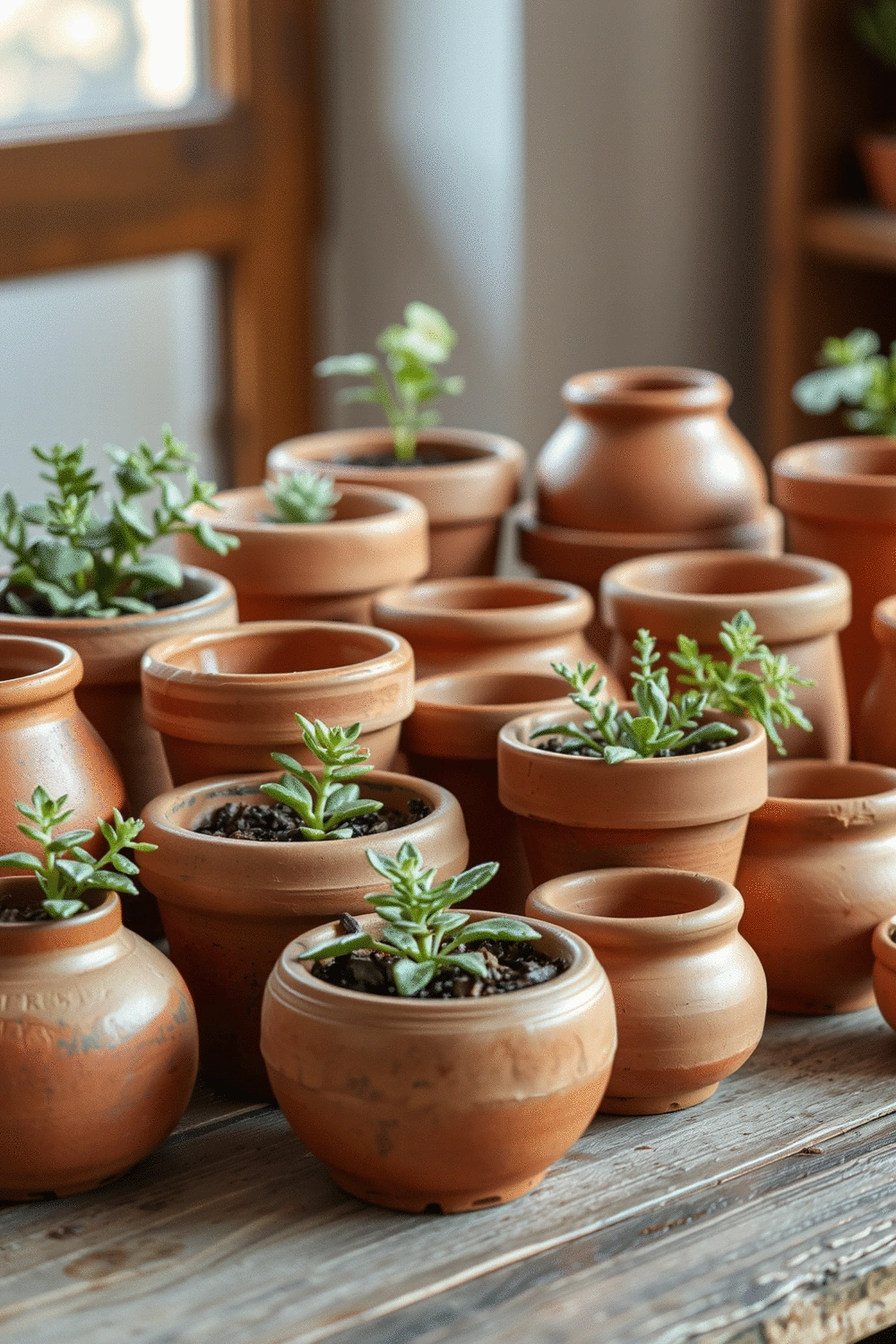
Although eco-friendly materials are on the rise, traditional options like clay and terracotta never go out of style. These materials have been cherished by gardeners for years, offering unique aesthetics and practical benefits.
- Breathability: Clay pots allow air exchange, which is beneficial for plant roots.
- Aesthetic Qualities: The natural look of terracotta blends beautifully with any decor.
- Weight: Clay pots can be heavier, providing stability for taller plants.
Incorporating these traditional materials into your home not only showcases your style but also brings a sense of authenticity to your indoor garden!
Summarizing Current and Future Trends in Planter Materials
As we journey through the evolving landscape of indoor gardening, it's clear that the material choices for planters play a significant role in both aesthetics and sustainability. With so many options available, how do you choose the right one for your green sanctuary? Let’s break it down!
Key Takeaways on Choosing the Right Planting Material
Choosing the ideal planting material can shape your gardening experience and impact your plants' health. Start by assessing your gardening needs. Consider factors like plant type, space availability, and the environmental impact of the materials. Here’s a quick guide to help you navigate your options:
- Lightweight vs. Heavyweight: Choose lightweight materials for easy mobility or heavy terracotta for stability.
- Drainage Needs: Ensure the planter material allows for adequate drainage, especially for succulents and cacti.
- Eco-Impact: Opt for recycled or biodegradable options if sustainability is a priority for you.
By considering these factors, you can make informed decisions that harmonize with your lifestyle and values. And don't forget to check out our post on the best planters and pots for modern decor style for more inspiration!
How to Assess Your Gardening Needs Against Material Options
When selecting planters, think about your specific gardening goals. Are you a beginner looking for low maintenance, or are you an enthusiast ready to dive deep into plant care? Each gardener's journey is unique, and so is the choice of materials. Here are some tips to help you assess:
- Research Plant Requirements: Different plants have different needs. Research your plant's moisture and light preferences.
- Consider Your Environment: Evaluate the climate of your home—humidity levels, temperature changes, and light exposure can dictate your material choice.
- Visual Appeal: Choose materials that will complement your home decor while remaining functional.
With the right planter material, you can cultivate not just plants, but a thriving atmosphere in your home. For some exciting ways to integrate greenery into your interior, check out our article on biophilic design ideas!
Frequently Asked Questions About Eco-Friendly Planters
- What makes a planter eco-friendly?
- An eco-friendly planter is typically made from sustainable, recycled, or biodegradable materials. This includes options like recycled plastics, bio-composites, and biodegradable plastics, all of which reduce environmental impact.
- Why are traditional materials like clay and terracotta still popular?
- Clay and terracotta pots are popular due to their breathability, which is beneficial for plant roots, and their natural aesthetic appeal. They also offer stability for larger plants due to their weight.
- What are some innovative trends in planter materials?
- Future innovations include smart planters with integrated sensors for monitoring soil moisture and light levels, advanced biodegradable options that decompose naturally, and customizable modular designs for urban living.
- How can I assess my gardening needs to choose the right planter material?
- Consider your plant's specific requirements (moisture, light), your home's environment (humidity, temperature), and your aesthetic preferences. Also, think about whether you need lightweight planters for mobility or heavier ones for stability.
- What are the benefits of sustainable sourcing for planter materials?
- Sustainable sourcing helps reduce carbon footprints (e.g., by choosing local materials), supports healthier ecosystems by preserving biodiversity, and often results in products with lasting quality.
Future Directions: What to Expect in Planter Innovations
The future of planter materials is bright and green! As technology and environmental awareness continue to advance, we can expect to see innovative materials that enhance plant care and sustainability. Think about how smart technology could change the way we care for our plants. Here are a few exciting trends to watch for:
- Smart Planters: Integrated sensors that monitor soil moisture and light levels.
- Biodegradable Options: Planters that decompose naturally, reducing waste and adding nutrients back to the soil.
- Customizable Designs: Modular planters that can be easily adapted for urban living or small spaces.
These trends not only foster a closer bond with nature but also allow us to embrace a more eco-conscious lifestyle in our gardening practices. If you're wondering how to create a peaceful bedroom environment, explore these 10 essential tips to create a peaceful sleep space.
Engaging with Sustainable Practices: Your Next Steps
Now that we've explored the current and future trends in planting materials, let’s talk about how you can take action. Engaging with sustainable practices in your gardening journey is not just beneficial for your plants, but for the planet too!
Exploring DIY and Customization in Planter Materials
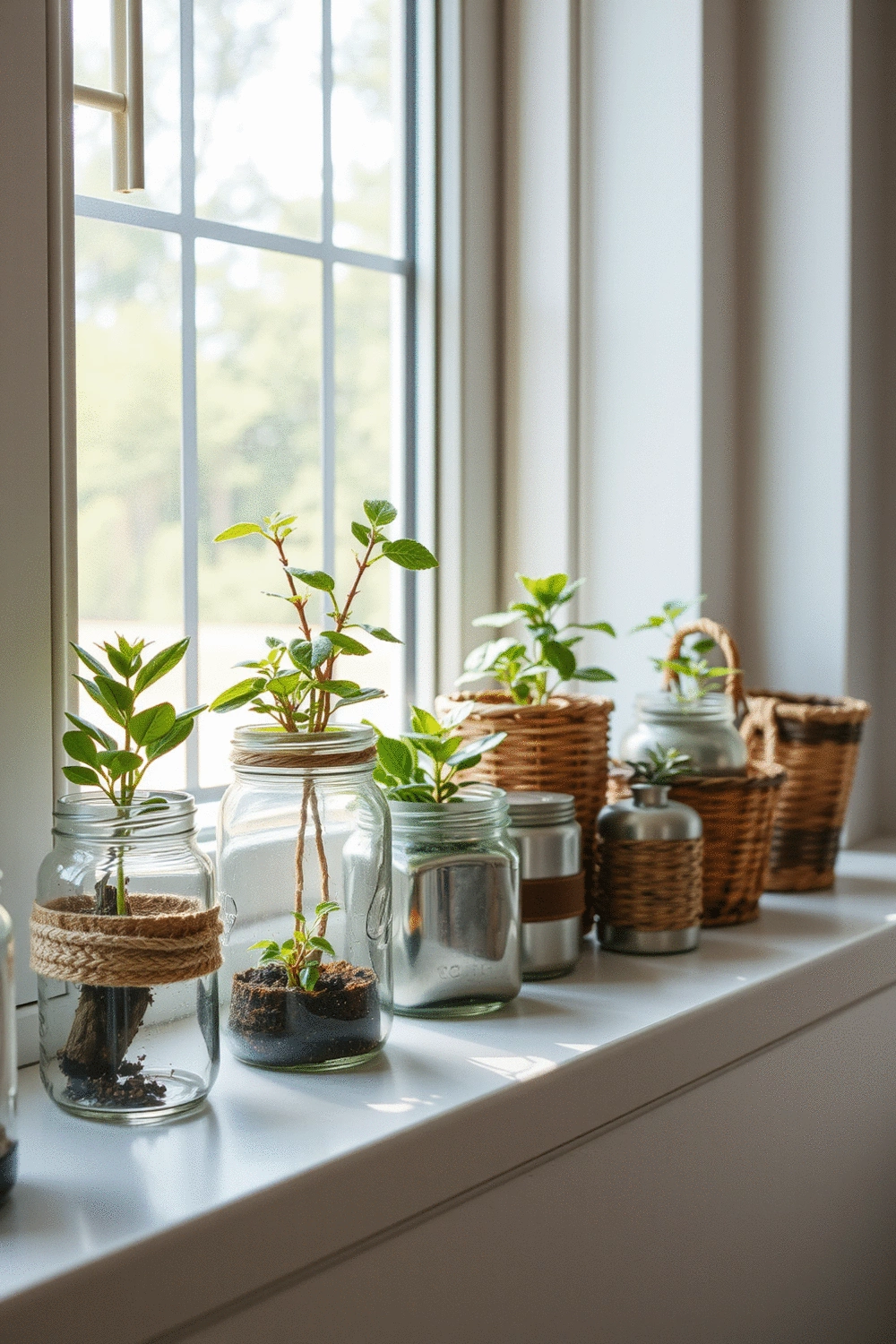
Why not get creative with your planters? DIY projects can be a fun way to personalize your indoor garden while using sustainable materials. Here’s how you can get started:
- Repurposing Old Containers: Transform old jars or tin cans into unique planters.
- Custom Paints: Use environmentally friendly paints to give your planters a fresh look.
- Macrame Hangers: A fun craft to create beautiful hanging planters that save space.
These projects not only enhance your decor but also reflect your unique style and commitment to sustainability. For more DIY ideas, be sure to check our post on DIY macrame and hanging planter projects!
Every small choice counts when it comes to sustainability. As you select your planters, think about how these choices impact the environment. Here are some steps you can take to make more conscious decisions:
- Research Brands: Support companies that prioritize sustainable materials and ethical practices.
- Educate Yourself: Stay informed about the latest trends in eco-friendly gardening.
- Share Your Journey: Connect with fellow plant enthusiasts to share tips and inspire others!
By making informed choices, you contribute to a greener future while enjoying the beauty of your indoor garden.
Understanding Sustainable Sourcing and Its Benefits for Gardening
Sustainable sourcing means obtaining materials in a way that maintains ecological balance. When you choose planters made from sustainably sourced materials, you're not just caring for your plants but also for the planet. Consider these benefits:
- Reduced Carbon Footprint: Opting for local materials means less transportation emissions.
- Healthier Ecosystems: Sustainable practices help preserve biodiversity.
- Lasting Quality: Products made from sustainable materials often last longer.
Let's embrace this journey together at Plants Cozy Space Vibes, where we celebrate nature and promote sustainability through our love for indoor gardening!
Recap of Key Points
- Choose Eco-Friendly Materials: Look for planters made from recycled or biodegradable materials to enhance sustainability.
- Consider Aesthetics and Function: Select planters that complement your home decor while providing necessary features like drainage and durability.
- Evaluate Your Gardening Needs: Assess factors such as plant type, space availability, and environmental impact when selecting planter materials.
- Embrace Traditional Options: Don’t overlook the benefits of clay and terracotta planters, known for their breathability and timeless appeal.
- Stay Informed on Innovations: Keep an eye on future trends such as smart planters and customizable designs to enhance your gardening experience.

Lila Greenfield
As a passionate plant enthusiast and interior design advocate, I founded Plants Cozy Space Vibes to share my deep love for greenery and an eye for aesthetics. My journey began by transforming my own home with plants, discovering their power to create inviting spaces. Now, I'm dedicated to helping you discover the joy of indoor gardening, providing expert insights on plant care, styling, and creative displays that enhance well-being and tranquility. Let's cultivate a lush, inviting sanctuary together!
Popular Posts
Genius Indoor Plant Ideas for Every Room
![Genius Indoor Plant Ideas for Every Room]() Bringing indoor plants into your home can elevate your space and improve air quality. With j
Bringing indoor plants into your home can elevate your space and improve air quality. With j
 Bringing indoor plants into your home can elevate your space and improve air quality. With j
Warm Entryway Plant Ideas for a Cozy Home
![Warm Entryway Plant Ideas for a Cozy Home]() Your entryway is the first impression guests have of your home, and a bland space can feel u
Your entryway is the first impression guests have of your home, and a bland space can feel u
 Your entryway is the first impression guests have of your home, and a bland space can feel u
Beautiful Indoor Plant Wall Art for Home Decor
![Beautiful Indoor Plant Wall Art for Home Decor]() Infusing your home decor with greenery is a powerful way to create an inviting and calming a
Infusing your home decor with greenery is a powerful way to create an inviting and calming a
 Infusing your home decor with greenery is a powerful way to create an inviting and calming a
Minimal Botanical Print Ideas for Indoor Plants
![Minimal Botanical Print Ideas for Indoor Plants]() Finding the right decor to complement your indoor plants can be a challenge. Botanical art p
Finding the right decor to complement your indoor plants can be a challenge. Botanical art p
 Finding the right decor to complement your indoor plants can be a challenge. Botanical art p
