Sustainable Plant Care for Eco-Conscious Gardeners
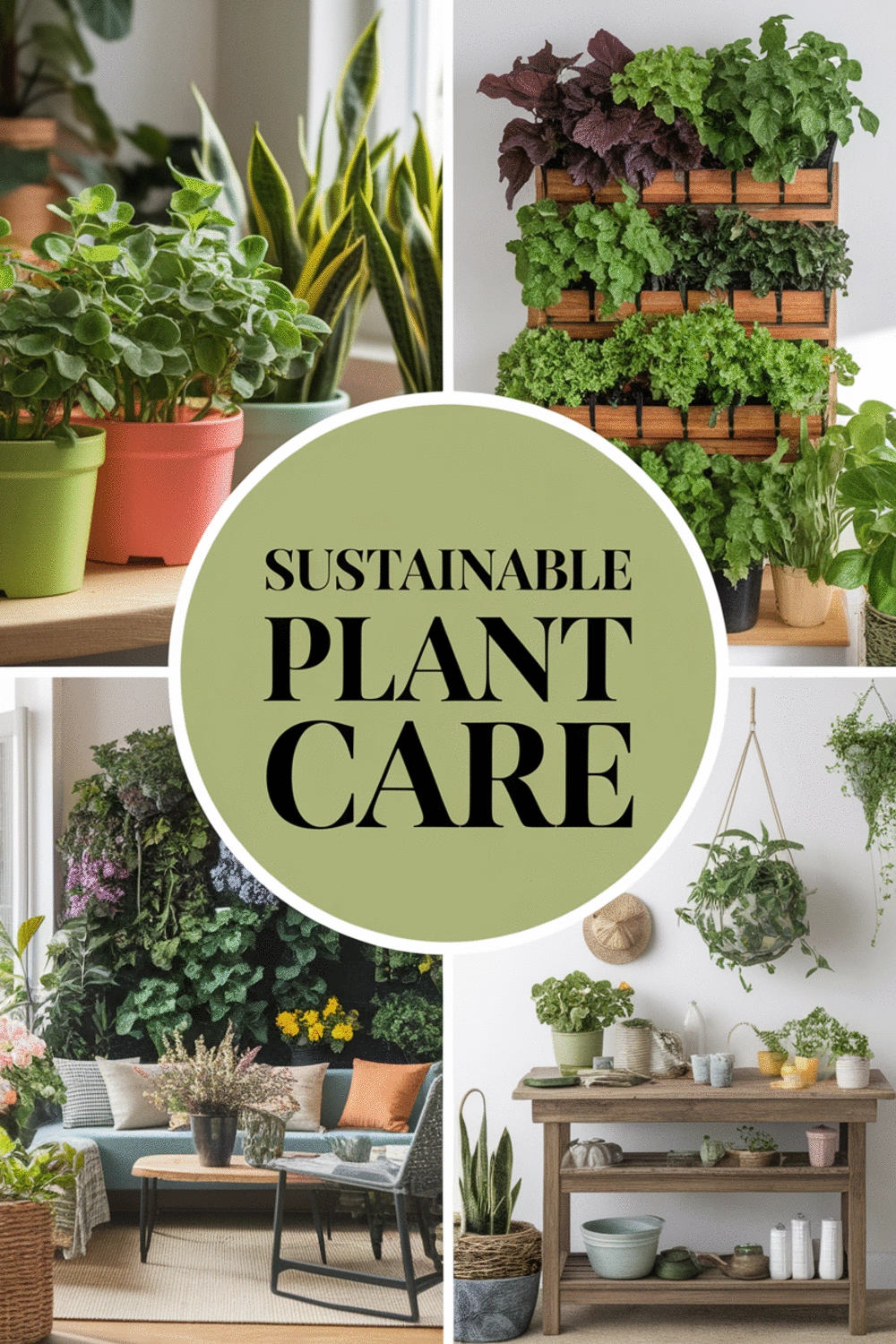
Curious about how your indoor gardening practices can positively impact the planet? Embracing sustainable plant care offers a unique opportunity to nurture your green space while safeguarding the environment. Discover the vital lessons that will transform your gardening approach!
As an Amazon Associate I earn from qualifying purchases. Affiliate links may earn me a commission at no extra cost to you.
What You Will Learn
- Sustainable plant care reduces dependency on harmful chemical fertilizers and pesticides, promoting a healthier environment.
- Implementing eco-friendly practices encourages biodiversity, creating a balanced ecosystem in your garden.
- Adopting sustainable methods conserves water and energy, significantly reducing your gardening footprint.
- Utilizing companion planting enhances plant growth and pest control, fostering a harmonious gardening ecosystem.
Understanding Sustainable Plant Care and Its Importance
As a passionate advocate for indoor gardening, I'm excited to delve into the world of sustainable plant care and its significance in our lives. Embracing eco-friendly practices not only nurtures our plants but also protects the environment. It’s a beautiful way to create a lush oasis in your home while making a positive impact on our planet. So, why should we consider sustainable plant care?
Why Choose Eco-Friendly Plant Care Practices?
Choosing eco-friendly plant care practices is about more than just the health of your plants; it’s also about the health of the environment. Here are some compelling reasons to embrace these methods:
- Reduces the dependency on chemical fertilizers and pesticides.
- Encourages biodiversity, fostering a healthier ecosystem.
- Promotes soil health, enhancing plant growth over time.
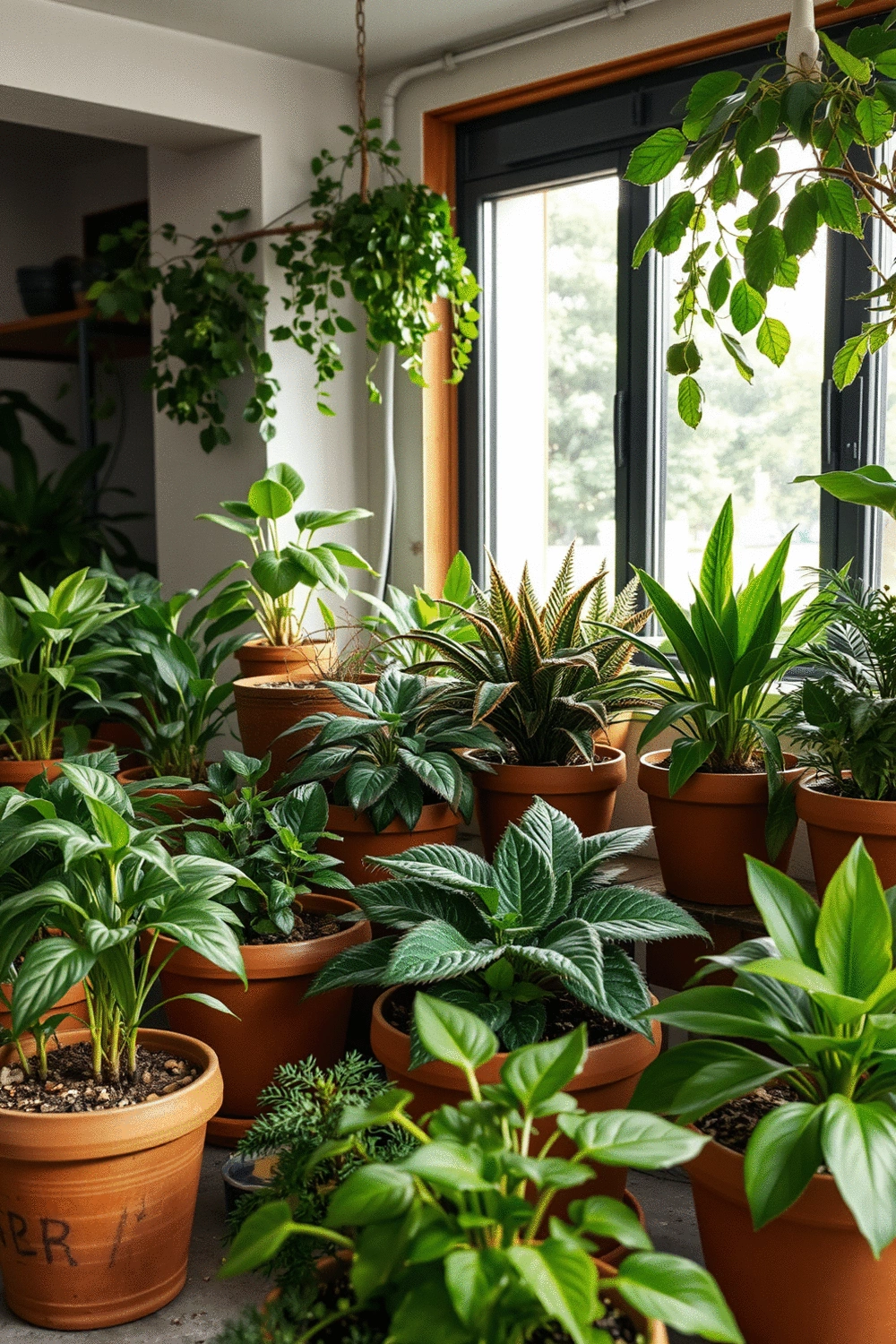
By implementing these sustainable practices, we can contribute to a balanced ecosystem. If you’re curious about how to start integrating these ideas into your home, check out 5 Inspiring Ideas for Incorporating Biophilic Design at Home for some stylish inspiration!
The Role of Sustainability in Modern Gardening
Modern gardening is evolving, and sustainability plays a pivotal role in shaping its future. It’s not just about having beautiful plants; it’s about nurturing them in harmony with nature. Sustainable gardening practices allow us to:
- Conserve water and energy.
- Reduce waste through composting and recycling.
- Create habitats for local wildlife.
By adopting these principles, we can help cultivate a greener planet while enjoying the tranquility that plants bring to our homes. Want to learn more about creating inviting spaces with plants? Don't miss my post on How to Use Plants as Natural Room Dividers.
Exploring the Benefits of Biodiversity in Gardening
Biodiversity in gardening is not just a buzzword—it’s a crucial aspect of sustainable practices. By incorporating a variety of plants, we can enhance the resilience of our gardens. Here are some benefits:
- Improved pest control through natural predators.
- Soil enrichment from different root systems.
- Greater aesthetic appeal and interest.
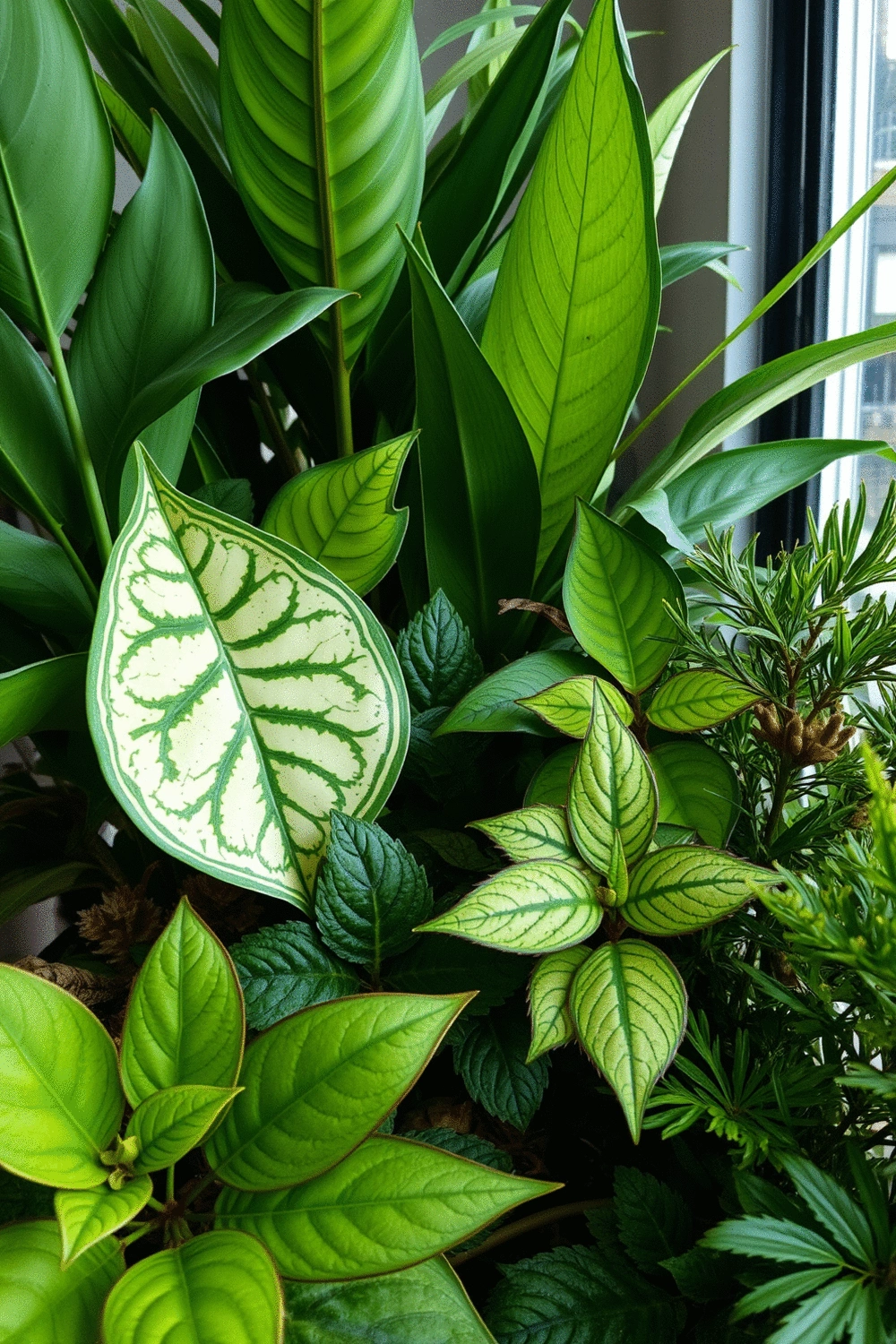
When you create a diverse plant environment, you not only benefit the plants but also create a vibrant space that nourishes your spirit. Every plant contributes to the overall health of your indoor jungle! Remember, the journey to a cozy space filled with life and beauty begins with understanding these fundamental concepts of sustainable gardening.
Encouraging Sustainable Practices in Your Gardening Routine
As a passionate plant lover, I know the joy that comes from nurturing our green friends! But have you ever considered how your gardening practices can contribute to a more sustainable planet? At Plants Cozy Space Vibes, I believe that making eco-friendly choices doesn't have to be complicated. Let’s explore a simple step-by-step approach that you can easily incorporate into your gardening routine.
Making Eco-Friendly Choices: A Step-by-Step Approach
Transitioning to sustainable gardening can be as easy as starting with a few thoughtful choices. Here’s a handy guide to get you on the right path:
- Assess your current practices: Take a moment to reflect on how you care for your plants. Are there any areas where you could go greener?
- Research local plants: Choosing native plants is beneficial for both your garden and local wildlife. They often require less water and are more resilient!
- Utilize organic options: From fertilizers to pest control, opt for organic solutions. Not only are they kinder to the environment, but they also promote healthier plant growth.
- Implement water-saving techniques: Simple strategies like collecting rainwater or using drip irrigation can significantly reduce your water usage.
By following these steps, you can create a thriving garden that not only looks great but also supports our planet! For more inspiration, check out my post on incorporating biophilic design at home to connect with nature even more. You might also find valuable tips on creating inviting spaces with cozy design secrets on our sister site.
Incorporating Companion Planting for Enhanced Growth
Have you heard about the benefits of companion planting? It’s a fantastic way to create a more sustainable and productive garden. By pairing plants that support each other's growth, you can enhance your gardening experience! Here are a few pairings to consider:
- Basil and tomatoes: Basil not only enhances the flavor of tomatoes but also repels pests!
- Marigolds and vegetables: These cheerful flowers can deter harmful insects while attracting beneficial pollinators.
- Nasturtiums and cucumbers: They can help to minimize aphid infestations, keeping your cucumber plants healthy.
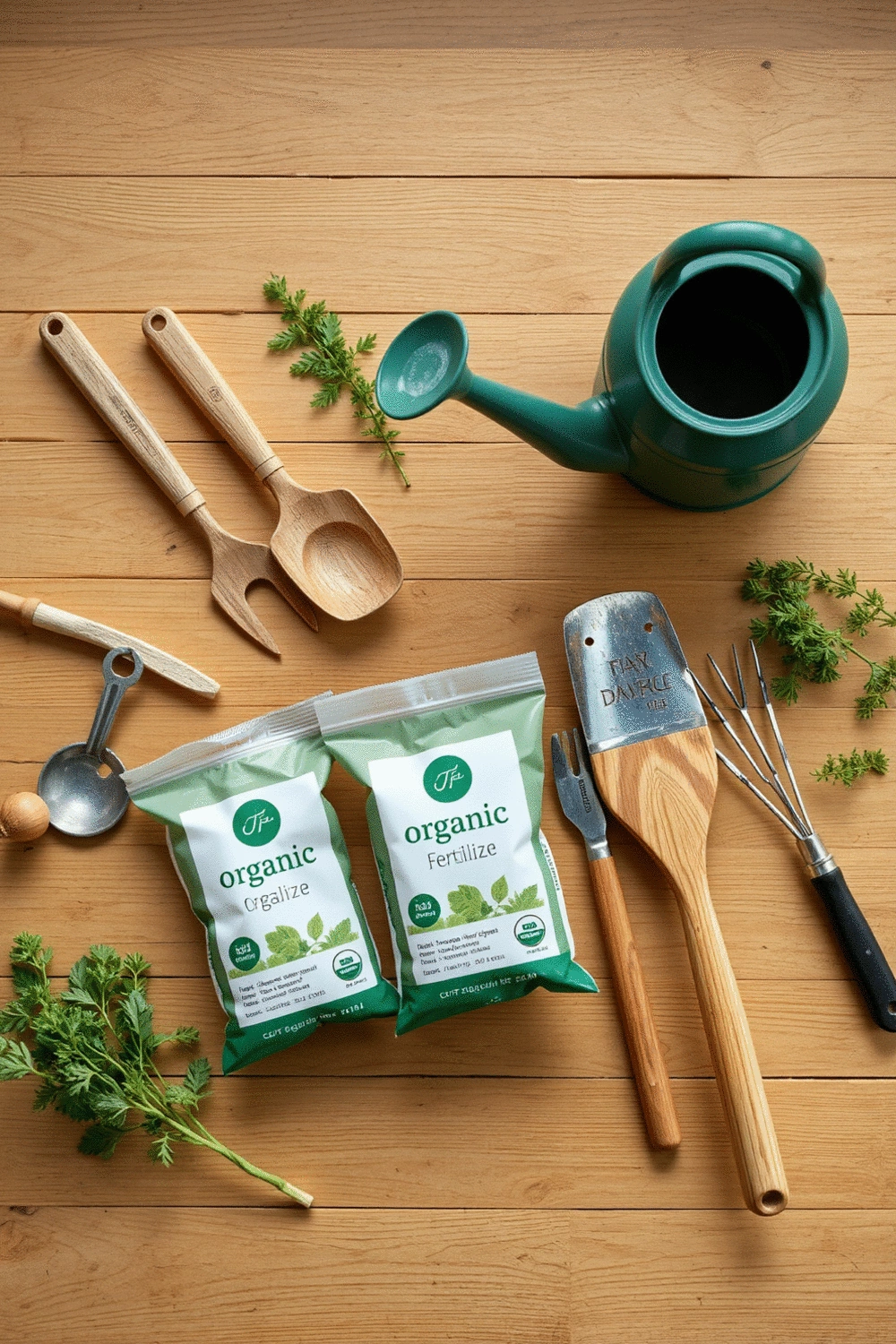
By incorporating companion planting into your routine, you’ll create a more harmonious ecosystem in your garden. Plus, it adds a beautiful layer of diversity to your plants! If you want to learn more about creating stunning plant displays, don’t miss my step-by-step guide to creating a stunning plant shelf. For tips on maximizing small spaces, you could also visit our bedroom tips for small spaces.
As you cultivate your garden, remember that every sustainable choice counts. By encouraging eco-friendly practices, we can foster a more vibrant world for ourselves and future generations!
Frequently Asked Questions
- Q: What is sustainable plant care?
- A: Sustainable plant care involves adopting eco-friendly practices in gardening to nurture plants while protecting the environment. This includes reducing chemical dependency, promoting biodiversity, and conserving resources.
- Q: Why is eco-friendly plant care important?
- A: It's important because it reduces reliance on harmful chemicals, encourages biodiversity, improves soil health, conserves water and energy, and helps create a balanced ecosystem.
- Q: How does biodiversity benefit my garden?
- A: Biodiversity enhances your garden's resilience by improving pest control through natural predators, enriching soil with diverse root systems, and offering greater aesthetic appeal.
- Q: What are some steps to start making eco-friendly choices in gardening?
- A: Begin by assessing your current practices, researching and choosing native plants, utilizing organic fertilizers and pest control, and implementing water-saving techniques like rainwater collection or drip irrigation.
- Q: What is companion planting and how does it help?
- A: Companion planting is the practice of strategically pairing different plants that support each other's growth. It can enhance flavor, repel pests, attract beneficial pollinators, and minimize infestations, creating a more harmonious garden ecosystem.
Recap of Key Points
Here is a quick recap of the important points discussed in the article:
- Choosing eco-friendly plant care practices reduces chemical dependency and promotes biodiversity.
- Sustainable gardening conserves resources and creates habitats for wildlife, contributing to a balanced ecosystem.
- Incorporating biodiversity enhances pest control and soil health, leading to a more resilient garden.
- Assessing current practices and opting for native plants can significantly benefit both your garden and local wildlife.
- Utilizing companion planting can foster a harmonious ecosystem while improving plant growth and health.

Lila Greenfield
As a passionate plant enthusiast and interior design advocate, I founded Plants Cozy Space Vibes to share my deep love for greenery and an eye for aesthetics. My journey began by transforming my own home with plants, discovering their power to create inviting spaces. Now, I'm dedicated to helping you discover the joy of indoor gardening, providing expert insights on plant care, styling, and creative displays that enhance well-being and tranquility. Let's cultivate a lush, inviting sanctuary together!
Popular Posts
Genius Indoor Plant Ideas for Every Room
![Genius Indoor Plant Ideas for Every Room]() Bringing indoor plants into your home can elevate your space and improve air quality. With j
Bringing indoor plants into your home can elevate your space and improve air quality. With j
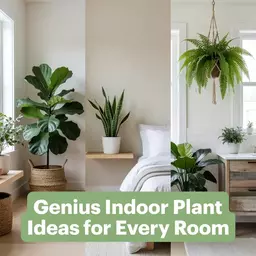 Bringing indoor plants into your home can elevate your space and improve air quality. With j
Warm Entryway Plant Ideas for a Cozy Home
![Warm Entryway Plant Ideas for a Cozy Home]() Your entryway is the first impression guests have of your home, and a bland space can feel u
Your entryway is the first impression guests have of your home, and a bland space can feel u
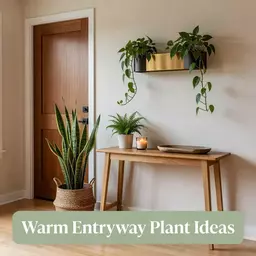 Your entryway is the first impression guests have of your home, and a bland space can feel u
Beautiful Indoor Plant Wall Art for Home Decor
![Beautiful Indoor Plant Wall Art for Home Decor]() Infusing your home decor with greenery is a powerful way to create an inviting and calming a
Infusing your home decor with greenery is a powerful way to create an inviting and calming a
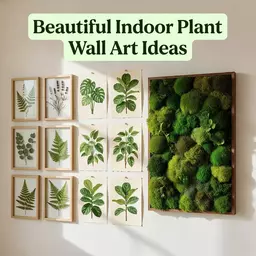 Infusing your home decor with greenery is a powerful way to create an inviting and calming a
Minimal Botanical Print Ideas for Indoor Plants
![Minimal Botanical Print Ideas for Indoor Plants]() Finding the right decor to complement your indoor plants can be a challenge. Botanical art p
Finding the right decor to complement your indoor plants can be a challenge. Botanical art p
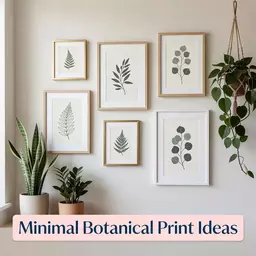 Finding the right decor to complement your indoor plants can be a challenge. Botanical art p
