How to Pair Plants with Furniture for Cozy Decor
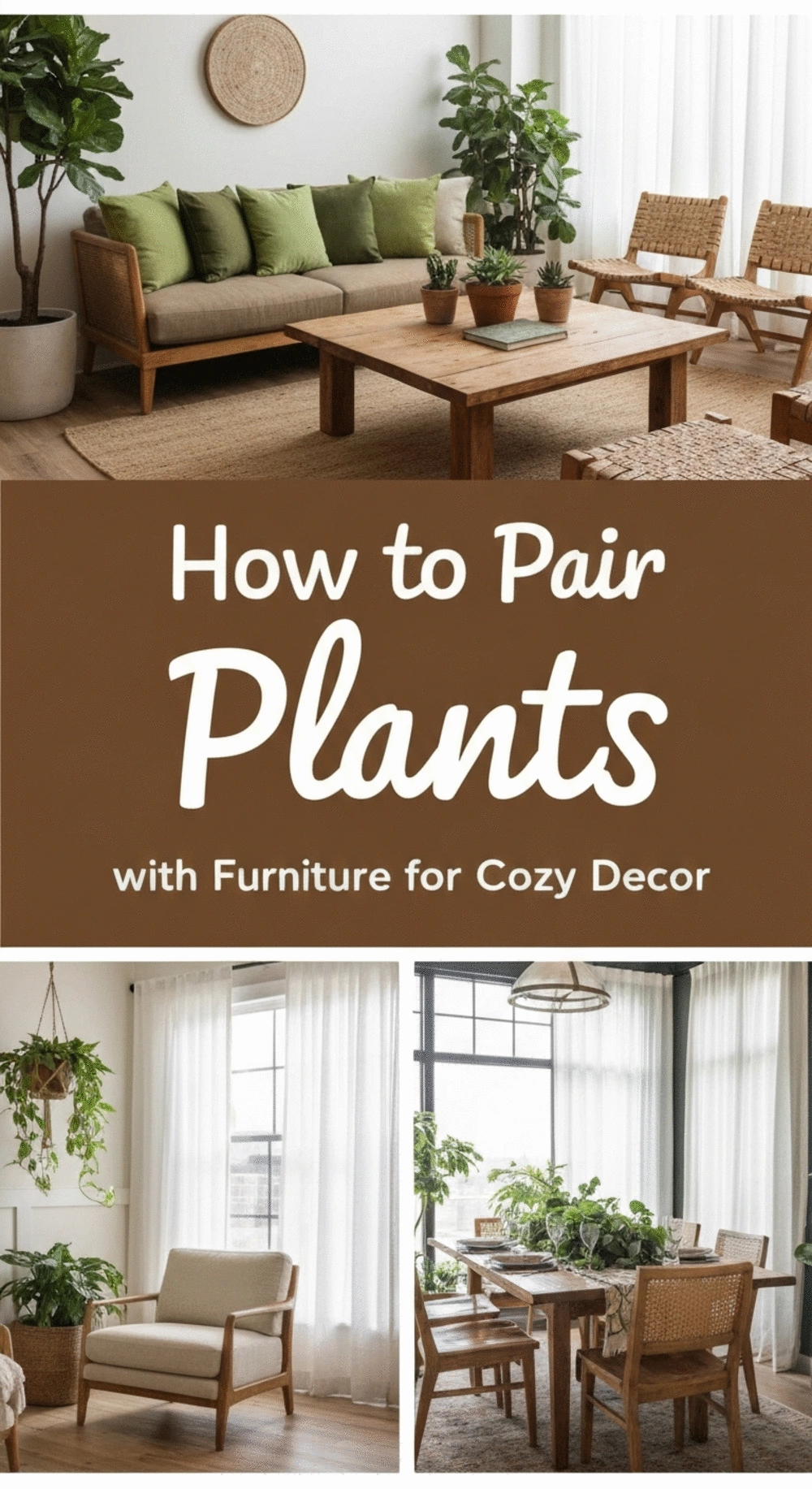
What if your home could not only look beautiful but also uplift your spirits? By seamlessly integrating plants with your decor, you can transform your living space into a vibrant sanctuary. Let's dive into how to harmonize plants, furniture, and textiles for a cozy atmosphere.
As an Amazon Associate I earn from qualifying purchases. Affiliate links may earn me a commission at no extra cost to you.
What You Will Learn
- The role of plants in creating harmony between different decor elements, enhancing mood and well-being.
- How to select the right plants based on their characteristics to complement your furniture and textiles.
- Identifying your decor style to choose plants that resonate with your personal aesthetic.
- Techniques for arranging plants to create visual balance and depth in your space.
- The importance of contrasting textures between plants and furniture to elevate your decor's appeal.
Creating a Cohesive Decor with Plants, Furniture, and Textiles
When it comes to designing your home, plants play a crucial role in enhancing decor and creating a warm, inviting atmosphere. At Plants Cozy Space Vibes, we believe that integrating greenery with furniture and textiles isn’t just about beauty—it’s about creating a harmonious living space that uplifts your spirit and adds life to your surroundings!
Think of your indoor plants as living art pieces. They bring in color, texture, and a sense of nature that works beautifully with your existing decor. By selecting the right plants and pairing them thoughtfully with your furnishings and fabrics, you can transform your home into a serene oasis. Let’s explore how to achieve this delightful balance!
Understanding the Importance of Harmony in Interior Design
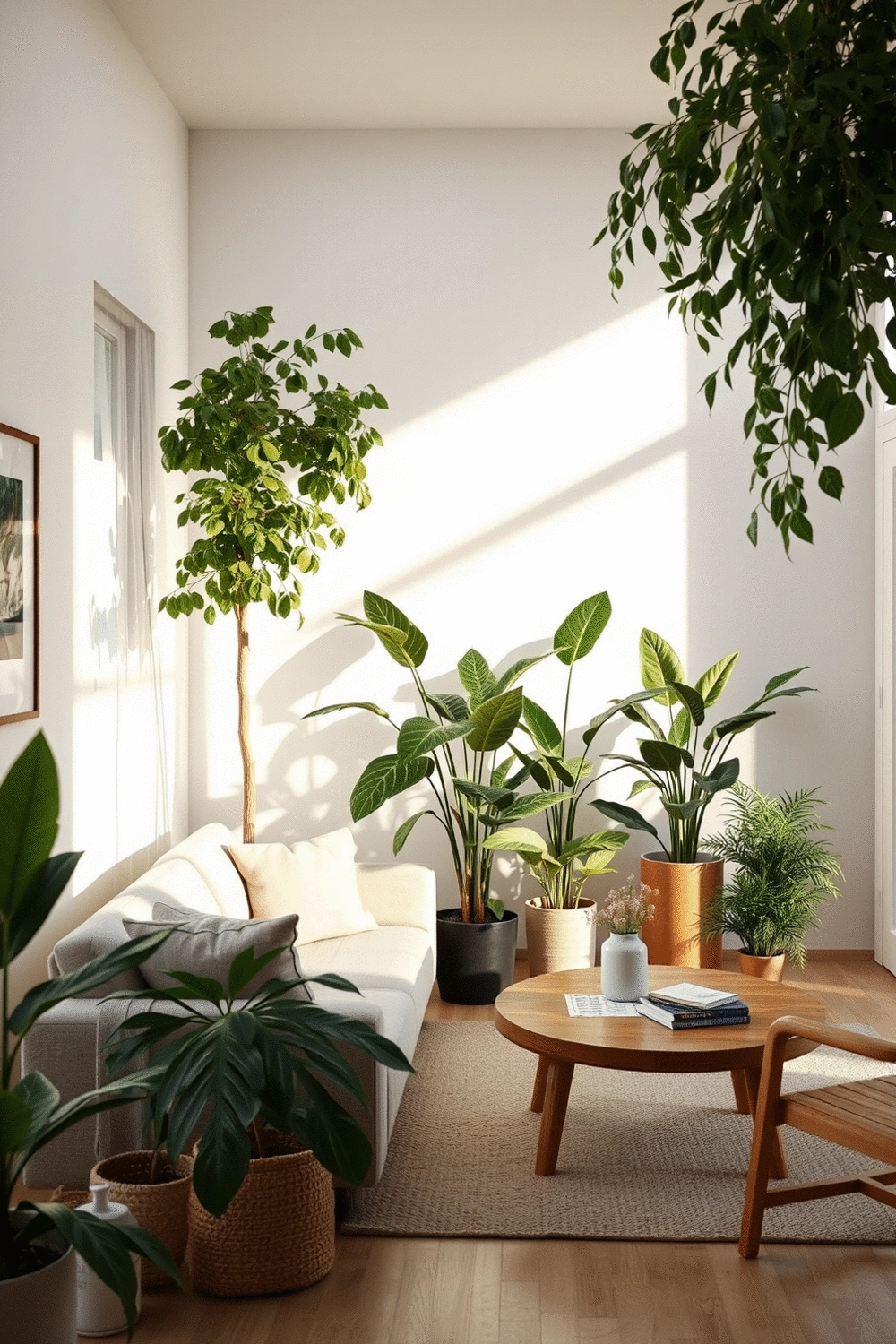
Creating a harmonious interior design involves more than just choosing the right colors; it's about blending various elements that work in sync. Plants serve as the perfect bridge between furniture and textiles, softening harsh lines and adding organic shapes. By ensuring that your plants harmonize with these elements, you create a cohesive look that feels intentional and inviting.
- Enhances mood and well-being.
- Provides visual interest and depth.
- Promotes a sense of balance and tranquility.
When considering how to pair plants with your decor, think about the overall vibe you want to create. Are you going for a modern rustic look or perhaps a minimalist aesthetic? Understanding the role of harmony in your space will guide you in making choices that resonate with your personal style. For more ideas on how to create a cohesive look, check out our guide on creating an inviting living room.
Choosing the Right Plants to Complement Your Space
Indoor Plants and Their Characteristics
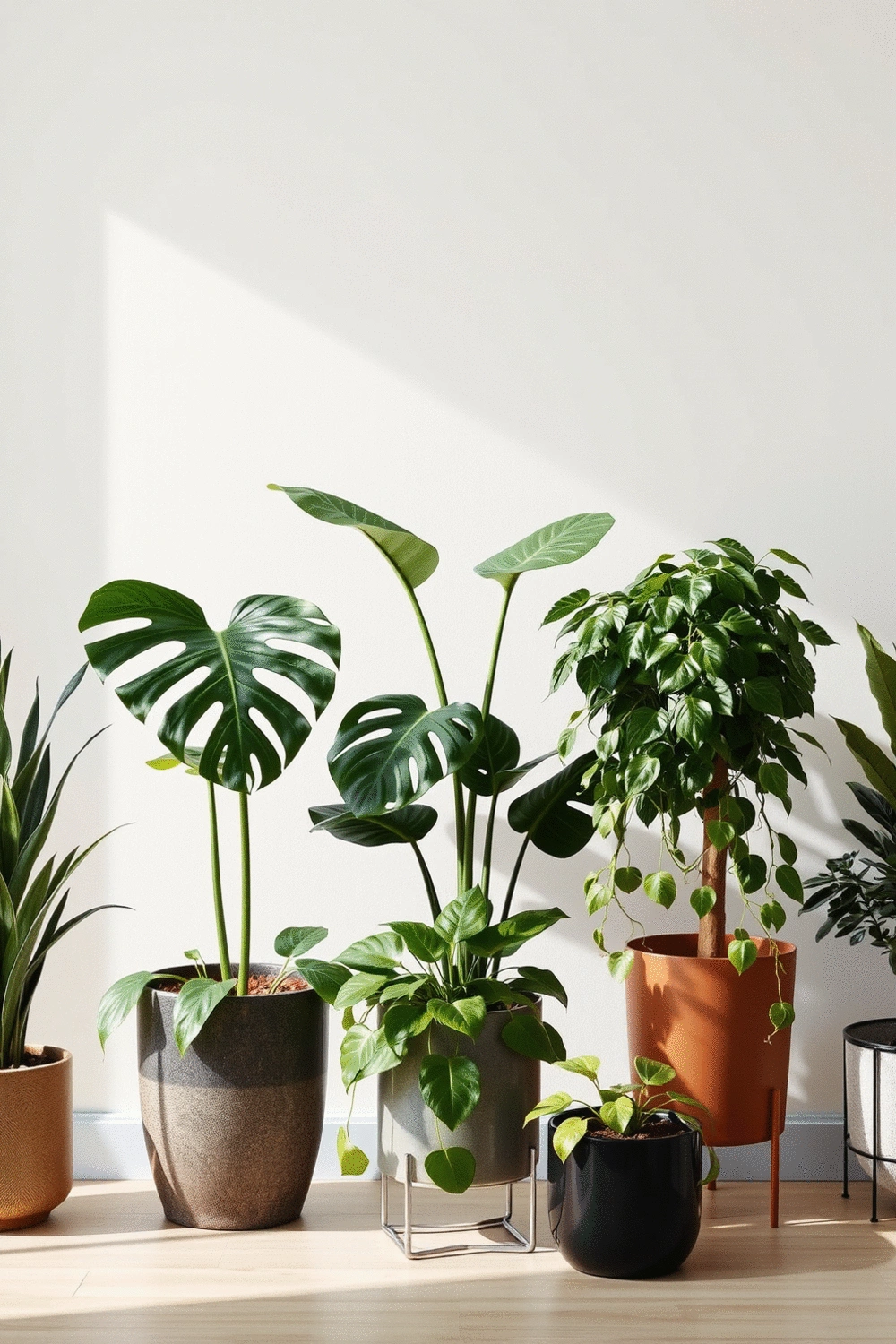
Not all plants are created equal, and their characteristics can significantly influence how they fit into your decor. Factors such as size, shape, and foliage color play a vital role. For instance, a striking fiddle leaf fig can serve as a statement piece alongside lighter furniture, while a cascading pothos can beautifully soften edges.
- Fiddle Leaf Fig: Tall and dramatic, perfect for brightening up a corner.
- Monstera: Exotic and bold, ideal for adding a tropical flair.
- Pothos: Versatile and easy to care for, great for hanging arrangements.
Think about how these plants’ traits can enhance your existing decor. A vibrant plant can pop against a neutral sofa, while a more muted plant can complement colorful textiles, creating a balanced aesthetic.
Identifying Your Design Style
What’s your decor style? Are you drawn to modern minimalism, cozy bohemian vibes, or perhaps a rustic farmhouse aesthetic? Identifying your style is essential for choosing plants that will enhance rather than clash with your decor.
- Modern Minimalist: Opt for clean lines and monochromatic pots.
- Tropical: Choose lush, large-leafed plants like birds of paradise.
- Bohemian: Embrace a mix of textures and eclectic planters.
Taking the time to recognize your personal style will allow you to select plants that not only beautify but also resonate with your home’s overall aesthetic. For more inspiration, check out our post on inspiring biophilic design ideas!
Matching Plant Shapes, Sizes, and Textures with Furniture
Creating Visual Balance with Plant Arrangements
Arranging your plants isn't just about placing them in a corner; it's about creating visual balance. Layering different plant heights can add depth and interest alongside your furniture pieces. For instance, pairing tall plants with lower-growing varieties creates an inviting display that draws the eye throughout the room.
- Use tall plants in corners to draw the eye upwards.
- Mix trailing plants with upright forms for dynamic arrangements.
- Cluster plants of varying heights on shelves for added interest.
By thoughtfully placing your plants, you can create focal points and pathways that guide guests through your cozy space, enhancing both the functionality and beauty of your home.
Texture Contrast: Enhancing Visual Appeal
The textures of your plants should complement the materials used in your furniture and textiles. For example, pairing a leafy green plant with a wooden table can create a delightful contrast, enhancing the visual appeal of both elements. Think about how the smooth leaves of a snake plant can balance the rustic texture of a rattan chair.
- Wood: Combines well with leafy plants for a natural feel.
- Rattan: Pairs beautifully with vibrant, colorful plants.
- Fabric: Use soft textiles to contrast with sturdy plant pots.
Creating texture contrast not only adds depth but also elevates your decor, making it feel more dynamic and engaging. Consider this when selecting your plants and be sure to check out our guide on styling hanging plants for your indoor space for more tips!
FAQs
Here are some frequently asked questions about integrating plants into your home decor:
- How do plants enhance interior design harmony?
Plants act as a natural bridge between furniture and textiles, softening lines and adding organic forms. They contribute to a cohesive look, improve mood, and provide visual interest and depth, leading to a balanced and tranquil atmosphere. - What factors should I consider when choosing plants for my decor?
Consider the plant's size, shape, and foliage color. For example, a tall fiddle leaf fig can be a statement piece, while a cascading pothos softens edges. Match plant characteristics with your existing decor elements like furniture and textiles. - How can I identify my decor style to choose appropriate plants?
Reflect on whether you prefer modern minimalist, tropical, or bohemian aesthetics. Minimalist styles suit clean lines and monochromatic pots, tropical styles benefit from lush, large-leafed plants, and bohemian styles thrive with mixed textures and eclectic planters. - What are effective techniques for arranging plants to create visual balance?
Layer different plant heights to add depth. Use tall plants in corners to draw the eye upward, mix trailing plants with upright forms for dynamic arrangements, and cluster plants of varying heights on shelves. This creates focal points and guides the eye through the room. - Why is texture contrast important between plants and furniture?
Texture contrast adds depth and elevates your decor. Pairing smooth plant leaves (like a snake plant) with rustic furniture (like a rattan chair) or leafy greens with wooden tables creates a captivating visual experience and makes your space feel more dynamic and engaging.
Summarizing Key Insights for a Harmonious Decor
In our journey to create an inviting and cozy home with plants, we’ve explored how essential it is to match plants with your furniture and textiles. Remember, plants not only enhance the aesthetic appeal of your decor but also foster a sense of tranquility and well-being. Here are some key takeaways to keep in mind:
- Choose plants that resonate with your design style. Whether you lean towards modern, rustic, or tropical, pick plants that complement your aesthetic.
- Incorporate different shapes and sizes. Layer your plants to create depth and interest, making them stand out among your furniture.
- Consider color palettes. Aim for a harmonious blend of colors between your plants and decor elements, using color theory to guide your choices.
- Don’t forget about texture! Match plant textures with your furniture materials for a captivating visual experience.
These insights will help you craft a space that feels cohesive and inviting. By thoughtfully integrating your indoor plants within your decor, you can transform your home into a serene sanctuary that reflects your personality! For more on bringing warmth into your home, consider exploring warm vs. cool color palettes.
Encouraging Experimentation in Your Decor Journey
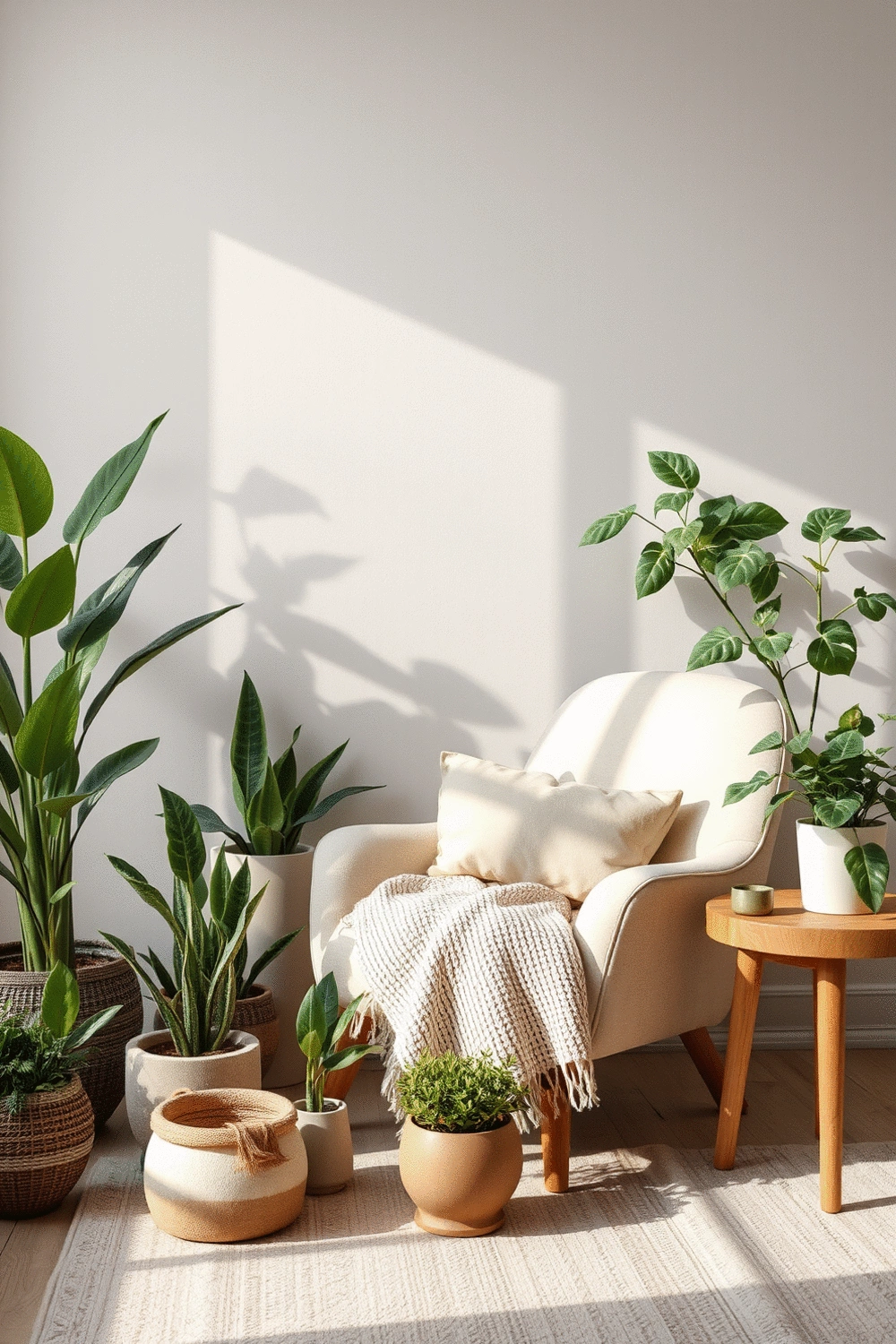
Now that we've discussed the essential tips for enhancing your decor with plants, I invite you to take these ideas and make them your own! Experiment with various pairings and arrangements—your home should be a canvas for your creativity. Don't hesitate to try out different plants and placements until you find what resonates best with you.
As you embark on this decorating adventure, consider sharing your experiences with our community! We're all about fostering connections and celebrating the beauty of indoor gardening together. You might also want to check out our post on biophilic design ideas for more inspiration. Plus, if you're looking for the best indoor plants, our list of top indoor plants to elevate your home decor is just a click away!
Your plants can be a reflection of your personality and style, so go ahead and let your creativity flow. Remember, there’s no right or wrong way to decorate—just the way that feels right to you!
Recap of Key Points
Here is a quick recap of the important points discussed in the article:
- Choose plants that resonate with your design style. Whether you lean towards modern, rustic, or tropical, pick plants that complement your aesthetic.
- Incorporate different shapes and sizes. Layer your plants to create depth and interest, making them stand out among your furniture.
- Consider color palettes. Aim for a harmonious blend of colors between your plants and decor elements, using color theory to guide your choices.
- Don’t forget about texture! Match plant textures with your furniture materials for a captivating visual experience.

Lila Greenfield
As a passionate plant enthusiast and interior design advocate, I founded Plants Cozy Space Vibes to share my deep love for greenery and an eye for aesthetics. My journey began by transforming my own home with plants, discovering their power to create inviting spaces. Now, I'm dedicated to helping you discover the joy of indoor gardening, providing expert insights on plant care, styling, and creative displays that enhance well-being and tranquility. Let's cultivate a lush, inviting sanctuary together!
Popular Posts
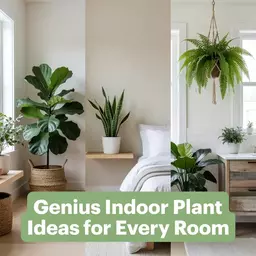
Genius Indoor Plant Ideas for Every Room
![Genius Indoor Plant Ideas for Every Room]() Bringing indoor plants into your home can elevate your space and improve air quality. With j
Bringing indoor plants into your home can elevate your space and improve air quality. With j
 Bringing indoor plants into your home can elevate your space and improve air quality. With j
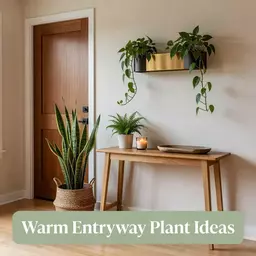
Warm Entryway Plant Ideas for a Cozy Home
![Warm Entryway Plant Ideas for a Cozy Home]() Your entryway is the first impression guests have of your home, and a bland space can feel u
Your entryway is the first impression guests have of your home, and a bland space can feel u
 Your entryway is the first impression guests have of your home, and a bland space can feel u
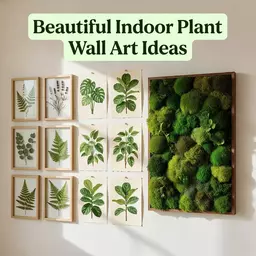
Beautiful Indoor Plant Wall Art for Home Decor
![Beautiful Indoor Plant Wall Art for Home Decor]() Infusing your home decor with greenery is a powerful way to create an inviting and calming a
Infusing your home decor with greenery is a powerful way to create an inviting and calming a
 Infusing your home decor with greenery is a powerful way to create an inviting and calming a
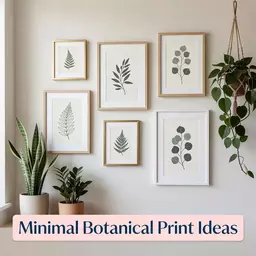
Minimal Botanical Print Ideas for Indoor Plants
![Minimal Botanical Print Ideas for Indoor Plants]() Finding the right decor to complement your indoor plants can be a challenge. Botanical art p
Finding the right decor to complement your indoor plants can be a challenge. Botanical art p
 Finding the right decor to complement your indoor plants can be a challenge. Botanical art p
