Repotting Ideas for Healthy Indoor Plants
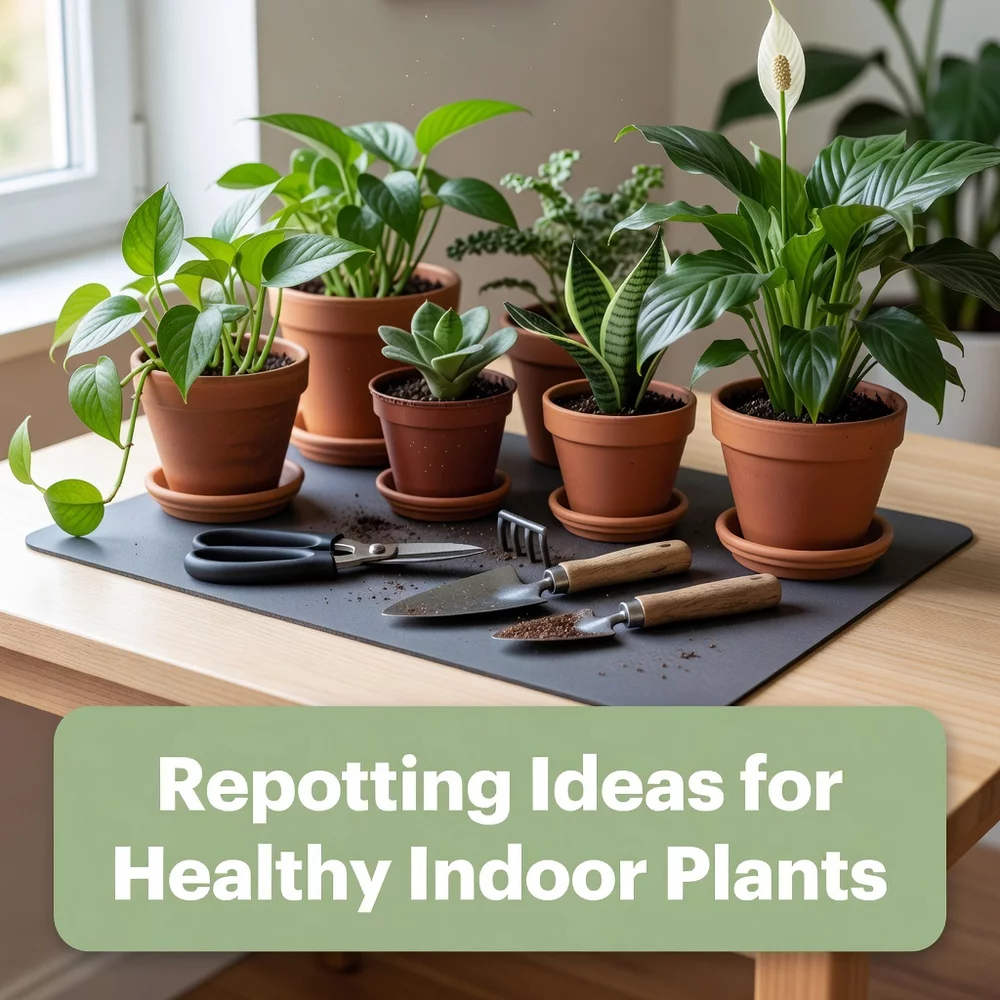
Keeping your indoor plants thriving hinges on proper repotting and nutrition. Neglecting these essentials can lead to issues like root rot and nutrient deficiency, stunting their growth. Discover 7 practical ideas to help your plants flourish, starting with the right potting mix to lay a strong foundation.
Indoor Potting Mix in a Resealable Bag That Drains Well and Prevents Root Rot
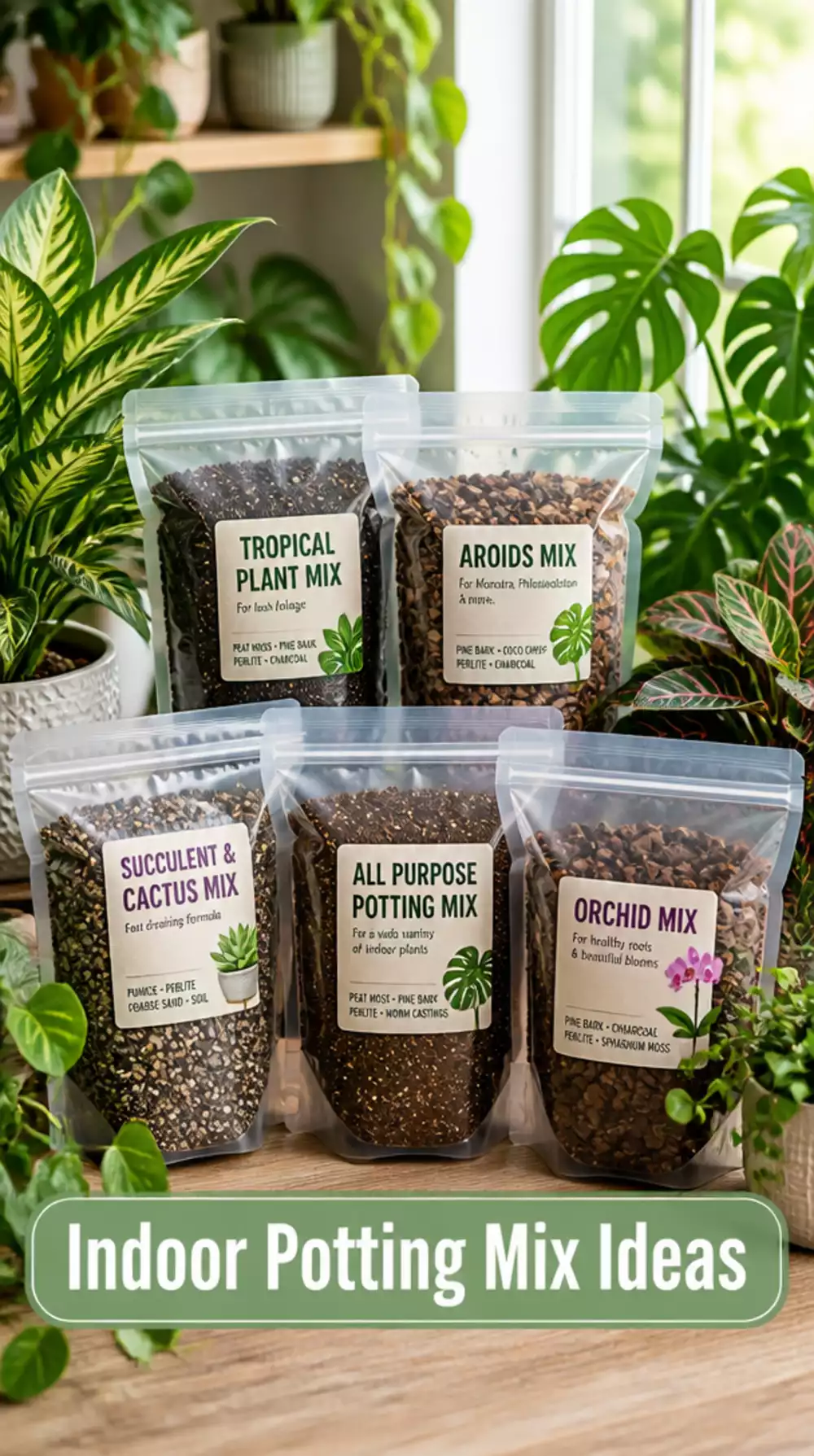
Craft the ideal foundation for your indoor garden with the right potting mix.
As an Amazon Associate I earn from qualifying purchases. Affiliate links may earn me a commission at no extra cost to you.
Why Choosing the Right Potting Mix Matters: A quality potting mix is vital for your indoor plants' health. Good mixes provide excellent drainage and prevent root rot, which can devastate plant roots. Look for organic options rich in nutrients to give your plants everything they need to thrive.
Where Most People Get Stuck: Many plant owners overlook the importance of enhancing their potting mixes with additional components. For instance, combining potting soil with perlite can significantly improve aeration and drainage, making a world of difference for your plants, especially in less forgiving environments.
- ★Choose a potting mix that retains moisture while allowing for proper drainage.
- ★Mix in perlite or vermiculite to boost aeration and prevent compacting.
- ★Consider using organic options for nutrient-rich growth.
⭐ Top Products for Indoor Potting Mix
✨ Editor's Pick
Organic Potting Soil for Indoor Plants
★★★★★
Our Score: 5.0/5
This organic mix ensures great drainage and is perfect for various indoor plants.
View on Amazon →Organic Indoor Potting Mix
★★★★½
Our Score: 4.5/5
This mix prevents root rot and is excellent for beginners starting their plant journey.
View on Amazon →Gardenera Terrarium Potting Soil
★★★★☆
Our Score: 4.0/5
This soil promotes moisture balance for humidity-loving plants in terrariums.
View on Amazon →💡 Best Practices:
- Choose a high-quality mix: Select potting soil that ensures good drainage and nutrient retention.
- Enhance with perlite: Mixing in perlite significantly improves aeration and drainage for your plants.
- Use organic options: Opt for organic potting mixes that are rich in nutrients for healthy plant growth.
Plant Repotting Mat in Silicone That Catches Soil Mess on Any Indoor Surface
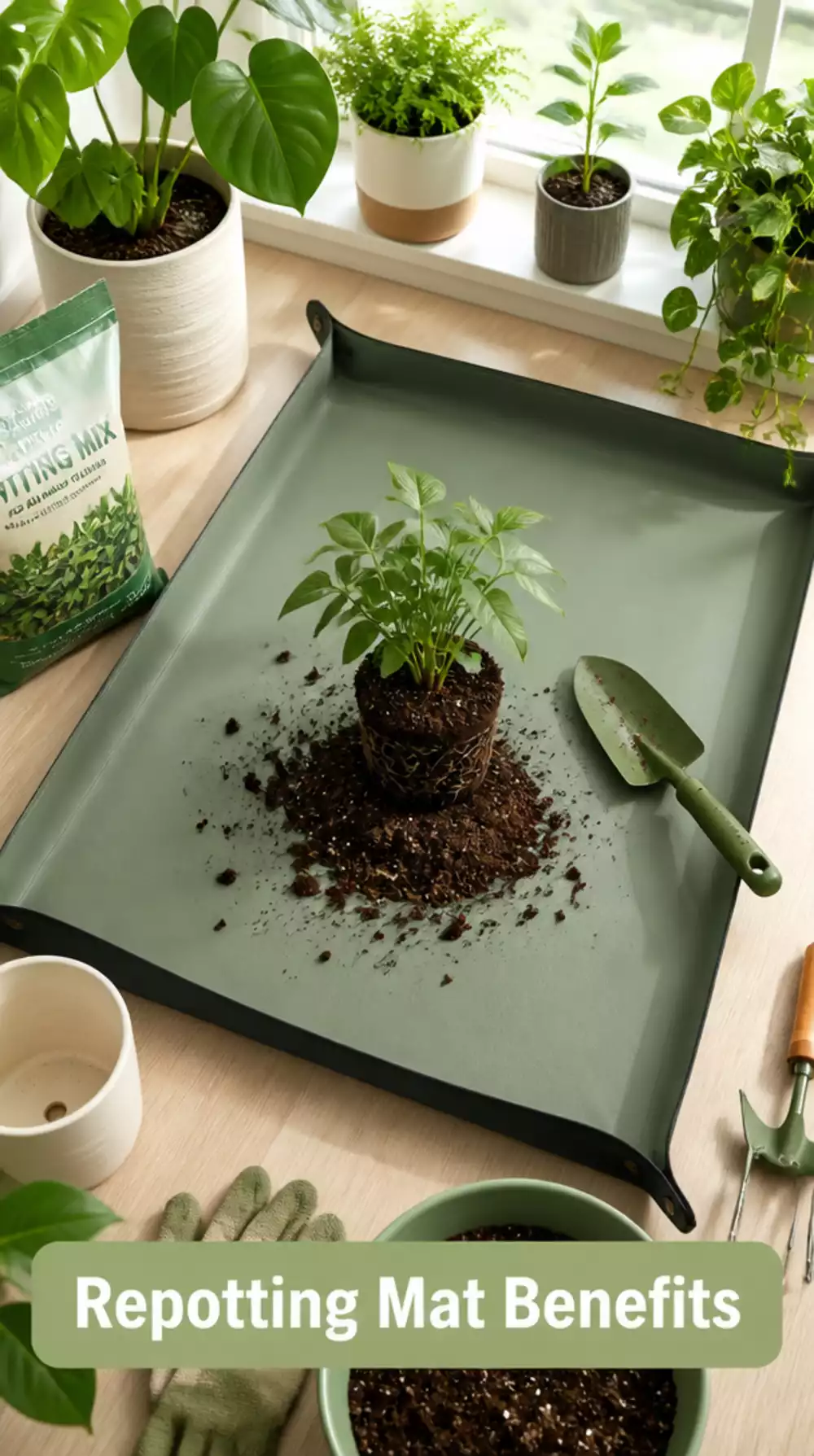
Say goodbye to messy repotting with this essential tool!
How a Plant Repotting Mat Makes Cleanup Easy: Repotting can get messy, but a quality repotting mat minimizes soil spills and keeps your workspace clean. Made from durable, waterproof silicone, these mats catch dirt and debris efficiently, allowing for a quick and hassle-free cleanup. This way, you can focus on nurturing your plants without worrying about the mess.
What People Rarely Consider is the design of the repotting mat itself. Many overlook that a foldable mat not only makes cleanup easier but also allows for stress-free storage. For example, if you’re switching pots often, having a mat that folds up neatly saves space and time, making your gardening experience far more enjoyable.
- ★Choose a mat with waterproof features to protect your surfaces.
- ★Look for foldable options for easy storage and portability.
- ★Ensure the size fits your typical repotting projects.
⭐ Best Products for Repotting Mats
Versatile Repotting Mat for Potting Soil Mess
★★★★½
Our Score: 4.5/5
Keep your workspace tidy with this sturdy mat that contains soil mess during repotting.
View on Amazon →✨ Editor's Pick
Plant Repotting Mat for Indoor Plants
★★★★★
Our Score: 5.0/5
This waterproof mat simplifies cleanup, making your repotting process hassle-free.
View on Amazon →Large Repotting Mat for Indoor Plants
★★★★☆
Our Score: 4.0/5
This durable mat is great for large projects, ensuring a clean workspace.
View on Amazon →💡 Quick Tips:
- Prep your area: Clear the space of any items to avoid unnecessary mess.
- Use a mat: Lay out your repotting mat to catch soil spills effectively.
- Keep tools handy: Have your pots, soil, and tools within arm's reach for a smooth process.
Terracotta Nursery Pot Set in Five Sizes for Repotting Indoor Plants as They Grow
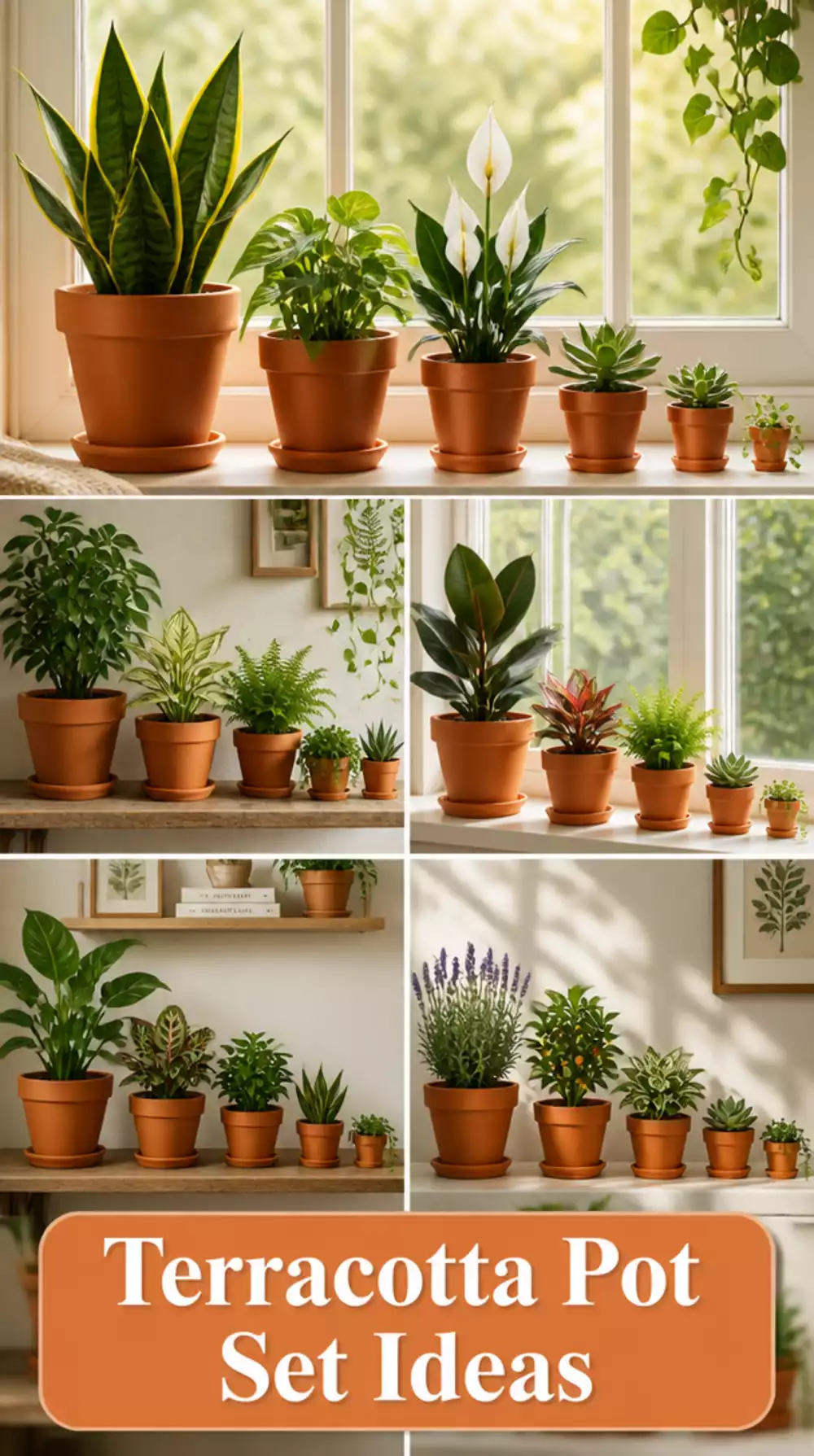
Discover the perfect pots for your growing indoor plants.
Why Terracotta Pots Matter: Terracotta pots are essential for indoor plants as they promote healthier root systems through their porous nature, allowing for superior drainage and necessary air exchange. Having a variety of sizes ensures you can repot your plants as they grow, supporting their development and health.
Where Most People Get Stuck: Many plant owners often overlook the significance of pot sizes, assuming one or two will suffice. This can stunt plant growth or lead to issues like root rot. For instance, a small pot might not provide enough space for a rapidly growing fern, while a too-large pot may retain excess moisture.
- ★Choose pots that are 1-2 inches larger than the current one for gradual growth.
- ★Opt for terracotta pots for better moisture control and root health.
- ★Avoid skipping sizes; each transition is crucial for plant well-being.
⭐ Top Products for Terracotta Pots
Large Metal Indoor Outdoor Planter Set
★★★★½
Our Score: 4.5/5
The glamorous design of this planter set enhances your indoor garden beautifully.
View on Amazon →Live Aloe Vera Plant in Pot
★★★★☆
Our Score: 4.0/5
This live Aloe Vera plant makes a stunning decorative addition to any space.
View on Amazon →✨ Editor's Pick
Ceramic Plant Pots Set of Three
★★★★★
Our Score: 5.0/5
This set includes elegant pots with drainage, perfect for healthy indoor plants.
View on Amazon →💡 Quick Tips:
- Choose the Right Size: Select pots that allow for at least 1-2 inches of growth.
- Check for Drainage: Ensure all pots have drainage holes to prevent overwatering.
- Monitor Growth: Regularly assess your plants to determine when repotting is necessary.
Liquid Houseplant Fertiliser That Feeds Every Indoor Plant with a Single Weekly Drop
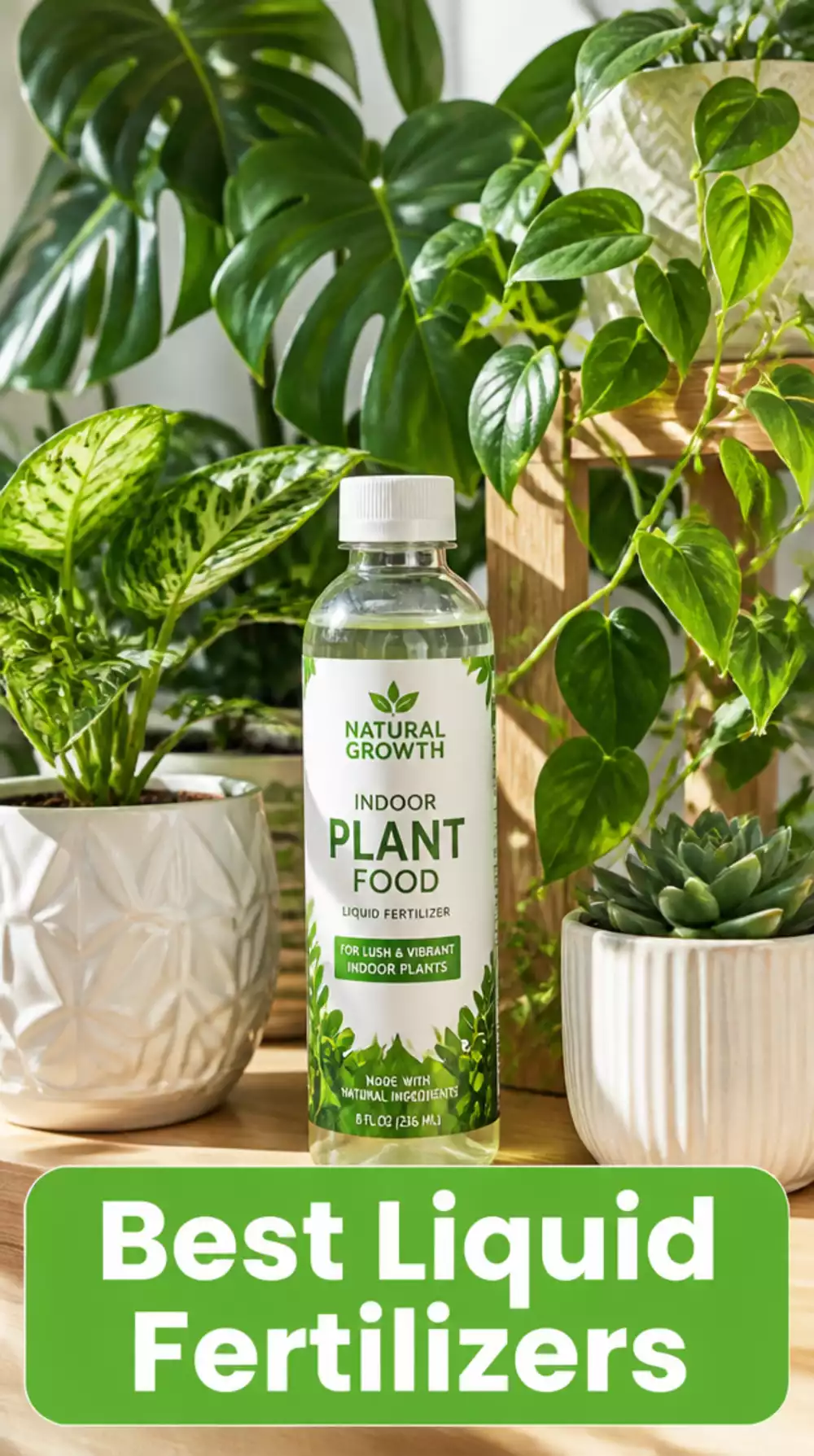
Simplify your plant care routine with easy-to-use liquid fertilizers.
The Benefits of Liquid Houseplant Fertiliser: Regular feeding is essential for vibrant indoor plants, and liquid fertilizers make the process incredibly simple. Unlike granular options, they deliver nutrients quickly, allowing for faster absorption. With just a single drop each week, you're ensuring your plants thrive without the fuss of complicated feeding schedules.
What People Rarely Consider is how easy it is to over-fertilize, especially with liquid options. Many plant owners mistakenly think more is better, but this can lead to nutrient burn. For example, using too much fertilizer on a small houseplant can cause leaf tips to brown and curl, signaling stress. Dilution is key, so always follow the manufacturer's guidelines to keep your plants happy and healthy.
- ★Feed every indoor plant with just one drop per week.
- ★Mix with water for optimal dilution and absorption.
- ★Watch for signs of nutrient deficiencies like yellowing leaves.
⭐ Our Picks for Houseplant Fertilizers
✨ Editor's Pick
Fiddle Leaf Fig Plant Food
★★★★★
Our Score: 5.0/5
This liquid fertilizer is tailored for fiddle leaf figs, boosting their growth and health effortlessly.
View on Amazon →Fiddle Leaf Fig Plant Food Liquid
★★★★½
Our Score: 4.5/5
This fast-acting formula promotes lush growth for all your indoor plants effectively.
View on Amazon →All Purpose Indoor Plant Food
★★★★☆
Our Score: 4.0/5
This versatile fertilizer is perfect for nurturing a variety of houseplants easily.
View on Amazon →🚀 Quick Tips:
- Feed your plants weekly: Use a single drop to keep them nourished and thriving.
- Always dilute fertilizer: Mix with water to prevent nutrient burn and ensure proper absorption.
- Observe your plants: Look for signs of distress, like yellowing leaves, to adjust feeding as needed.
You're making great strides in understanding how to keep your indoor plants flourishing. Even small adjustments to your routine can make a significant difference in their vitality. It's about finding a rhythm that works for both you and your greenery, creating a truly sustainable and joyful plant care journey.
💡 Simple Reminders:
- A consistent care routine is more important than grand gestures.
- Observe your plants often to catch early signs of distress or common mistakes.
- Healthy roots are the foundation for beautiful foliage and long-term plant happiness.
- Consider watering tools to streamline nutrient delivery.
Slow-Release Fertiliser Pellets That Feed Indoor Plants for Three Months at Once
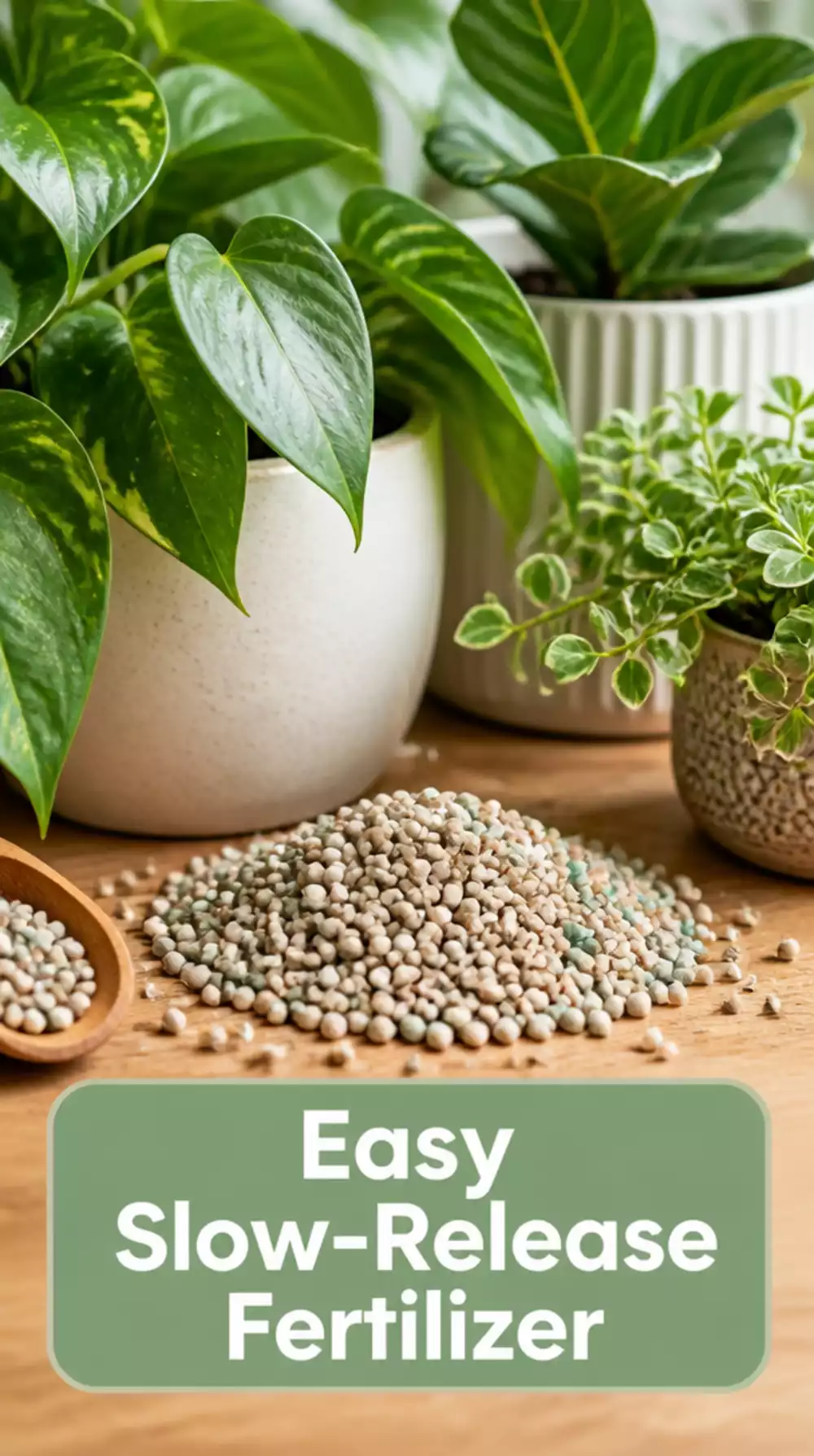
Achieve thriving plants with minimal effort using slow-release pellets.
Understanding Slow-Release Fertiliser Pellets: Slow-release fertilizers provide a steady supply of nutrients over time, allowing your plants to thrive without frequent feedings. These pellets break down gradually, delivering just the right amount of nutrients when your plants need them, preventing the risk of over-fertilization.
Where Most People Get Stuck is in the timing of their fertilizer application. Many overlook the need to apply slow-release fertilizers at the beginning of the growing season for maximum benefit. For instance, applying them during a plant's active growth phase can significantly boost their health and vigor.
- ★Apply slow-release pellets in early spring for optimal growth.
- ★Water well after application to help pellets dissolve effectively.
- ★Avoid mixing with other fertilizers to prevent nutrient overload.
⭐ Top Picks for Slow-Release Fertilizers
Espoma Organic Indoor Plant Fertilizer
★★★★½
Our Score: 4.5/5
This organic fertilizer ensures superior results for your indoor plants, promoting vibrant growth over time.
View on Amazon →✨ Editor's Pick
Fiddle Leaf Fig Tree Fertilizer Pellets
★★★★★
Our Score: 5.0/5
These slow-release pellets provide nutrients for up to three months, ideal for busy plant owners.
View on Amazon →Fiddle Leaf Fig Plant Food
★★★★☆
Our Score: 4.0/5
A liquid fertilizer designed for fig trees, promoting immediate growth and health.
View on Amazon →📋 Quick Tips:
- Use slow-release pellets: Apply them in early spring for best results in growth.
- Water thoroughly: Ensure pellets dissolve properly by watering well post-application.
- Monitor plant growth: Adjust feeding based on your plant's growth and health feedback.
Root Stimulator Powder That Helps Newly Repotted Indoor Plants Settle In Faster
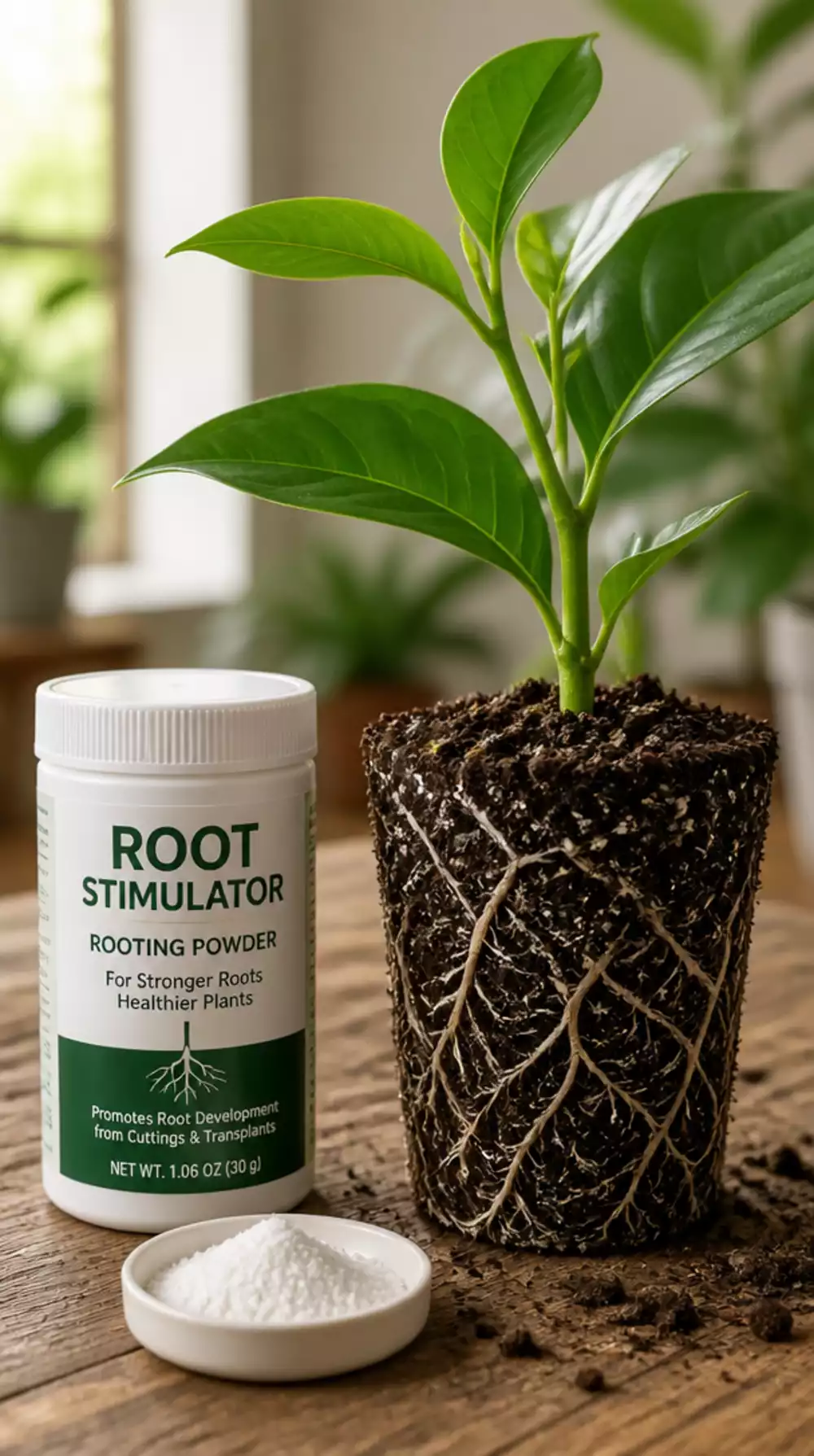
Nurture your plants after repotting for thriving growth.
The Role of Root Stimulators in Plant Recovery: Newly repotted plants can experience significant stress, making root stimulators essential for enhancing root development. These powders help plants recover more quickly and improve nutrient uptake, leading to healthier foliage and robust growth.
What People Rarely Consider is that while repotting, many overlook the application of root stimulators, thinking it’s optional. However, these products can make a difference. For instance, when I repotted my snake plant and added root stimulator powder, I noticed it took off much faster than my previous attempts without it—a clear indication of its benefits.
- ★Apply root stimulator powder during repotting to boost root growth.
- ★Mix the powder with water for easy application into the root zone.
- ★Avoid overusing; too much can harm your plants' delicate roots.
⭐ Root Stimulator Powder That Helps Newly Repotted Indoor Plants Settle In Faster
✨ Editor's Pick
[No Product Title Available]
[No Stars Available]
Our Score: [No Score Available]/5
Root stimulators enhance root development, helping newly repotted plants recover faster and absorb nutrients efficiently.
View on Amazon →🚀 Quick Tips:
- Mix with water: Combine root stimulator powder with water before application for best results.
- Apply during repotting: Use root stimulators as you repot to aid immediate recovery.
- Avoid excess: Too much root stimulator can disrupt delicate root systems; stick to recommended amounts.
The Repotting Timing Trick That Stops Indoor Plants Going Into Shock After Moving
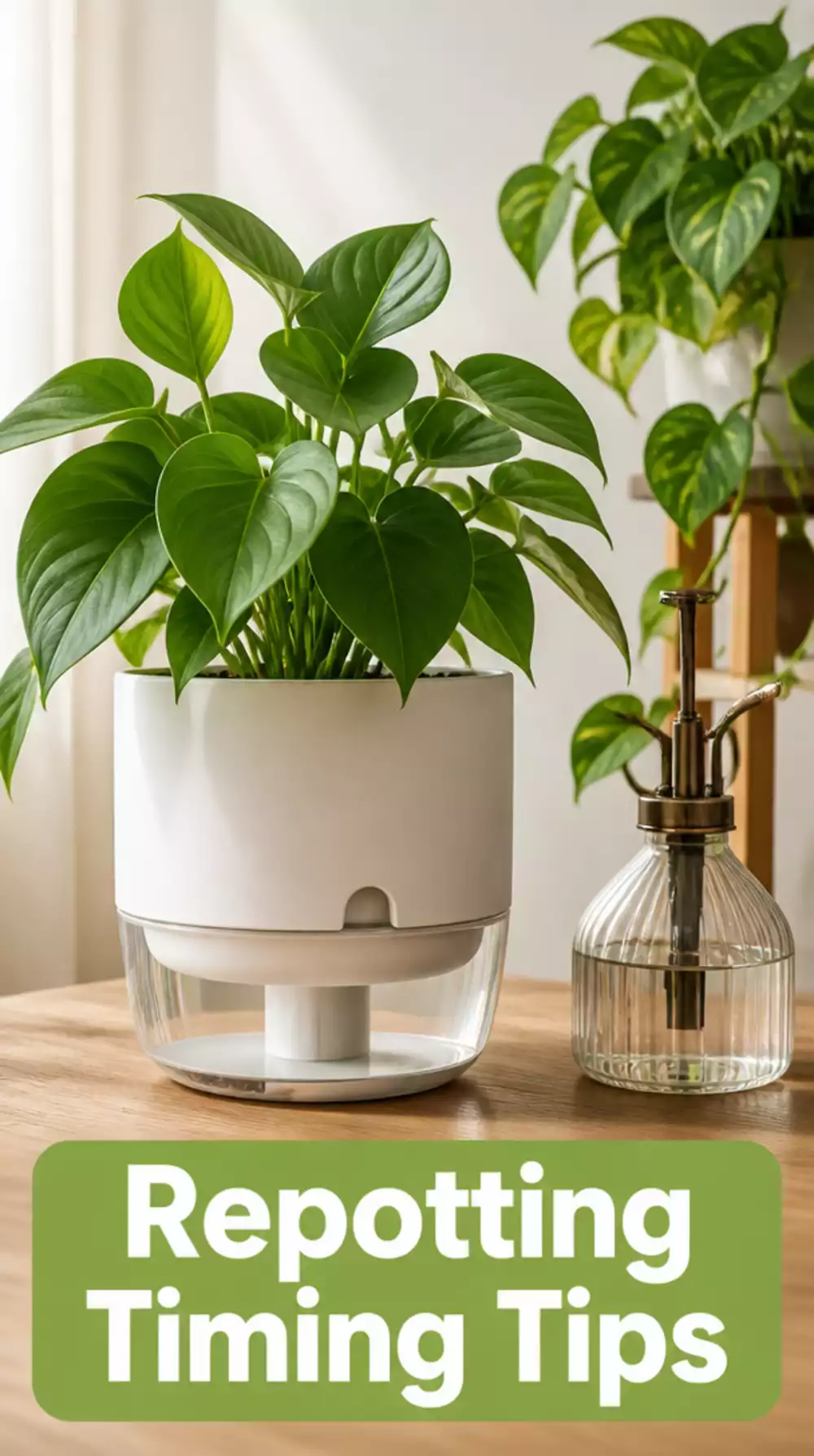
Discover how timing can make all the difference for your indoor plants.
Why Timing Matters in Repotting: Repotting shock occurs when plants are suddenly moved to a new environment, disrupting their root systems. By choosing to repot during their active growth periods, such as spring, you can significantly reduce this shock. Acclimatizing plants before and after the move is equally crucial for their recovery and overall health.
A subtle issue that adds up: Many people overlook the signs of their plant's distress during transitions. For example, yellowing leaves or wilting stems can indicate shock. Taking the time to observe your plant's needs, such as adjusting light levels and maintaining proper moisture, can help facilitate a smoother transition.
- ★Repot your plants during their active growth phase for best results.
- ★Monitor your plant's response to the new environment for signs of shock.
- ★Consider using self-watering pots to help maintain moisture consistency.
⭐ Top Products for Plant Care
✨ Editor's Pick
Self Watering Ceramic Pot for Indoor Plants
★★★★★
Our Score: 5.0/5
This self-watering pot maintains ideal moisture, helping your plants thrive during acclimatization.
View on Amazon →Live Arabica Coffee Plant for Indoor Care
★★★★½
Our Score: 4.5/5
This live coffee plant is easy to grow, making it a great gift option for plant lovers.
View on Amazon →Premium Plant Mister Spray Bottle
★★★★☆
Our Score: 4.0/5
This mister ensures precise hydration, aiding plants in post-repotting care.
View on Amazon →🚀 Key Steps to Follow:
- Repot during spring: This is when most plants actively grow and recover best.
- Observe your plant: Look for signs of distress like drooping or yellowing leaves.
- Adjust light and moisture: Keep conditions stable to help your plant acclimate smoothly.
You now have seven practical strategies to enhance the health and happiness of your indoor plants. Start with what feels manageable, and remember, there’s no need to implement every suggestion at once.
Each step you take will bring your space closer to a thriving, green sanctuary where you can unwind and feel connected to nature. As you nurture your plants, take a moment to enjoy the journey of growth and well-being.

Lila Greenfield
As a passionate plant enthusiast and interior design advocate, I founded Plants Cozy Space Vibes to share my deep love for greenery and an eye for aesthetics. My journey began by transforming my own home with plants, discovering their power to create inviting spaces. Now, I'm dedicated to helping you discover the joy of indoor gardening, providing expert insights on plant care, styling, and creative displays that enhance well-being and tranquility. Let's cultivate a lush, inviting sanctuary together!
Popular Posts
Genius Indoor Plant Ideas for Every Room
![Genius Indoor Plant Ideas for Every Room]() Bringing indoor plants into your home can elevate your space and improve air quality. With j
Bringing indoor plants into your home can elevate your space and improve air quality. With j
 Bringing indoor plants into your home can elevate your space and improve air quality. With j
Warm Entryway Plant Ideas for a Cozy Home
![Warm Entryway Plant Ideas for a Cozy Home]() Your entryway is the first impression guests have of your home, and a bland space can feel u
Your entryway is the first impression guests have of your home, and a bland space can feel u
 Your entryway is the first impression guests have of your home, and a bland space can feel u
Beautiful Indoor Plant Wall Art for Home Decor
![Beautiful Indoor Plant Wall Art for Home Decor]() Infusing your home decor with greenery is a powerful way to create an inviting and calming a
Infusing your home decor with greenery is a powerful way to create an inviting and calming a
 Infusing your home decor with greenery is a powerful way to create an inviting and calming a
Minimal Botanical Print Ideas for Indoor Plants
![Minimal Botanical Print Ideas for Indoor Plants]() Finding the right decor to complement your indoor plants can be a challenge. Botanical art p
Finding the right decor to complement your indoor plants can be a challenge. Botanical art p
 Finding the right decor to complement your indoor plants can be a challenge. Botanical art p
